Best Medical Grade Guide to buy electric heat pad for Pain Relief
Managing chronic muscle tension and joint stiffness requires a consistent approach to thermotherapy. Electric heating pads have evolved from simple warmers into specialized medical-grade tools designed to increase blood flow and accelerate the healing process. Whether you are seeking relief from arthritis, recovering from a sports injury, or managing the physical toll of a sedentary office job, selecting a device that matches your specific environment—be it a bed, a chair, or a wearable wrap—is critical for safety and efficacy. This guide explores the technical distinctions between different full-body heating solutions and how professional-grade heat therapy can be integrated into a daily wellness regimen to reduce reliance on pharmacological pain management.

Analyzing Full Body Heat Therapy Options for Diverse Lifestyle Needs
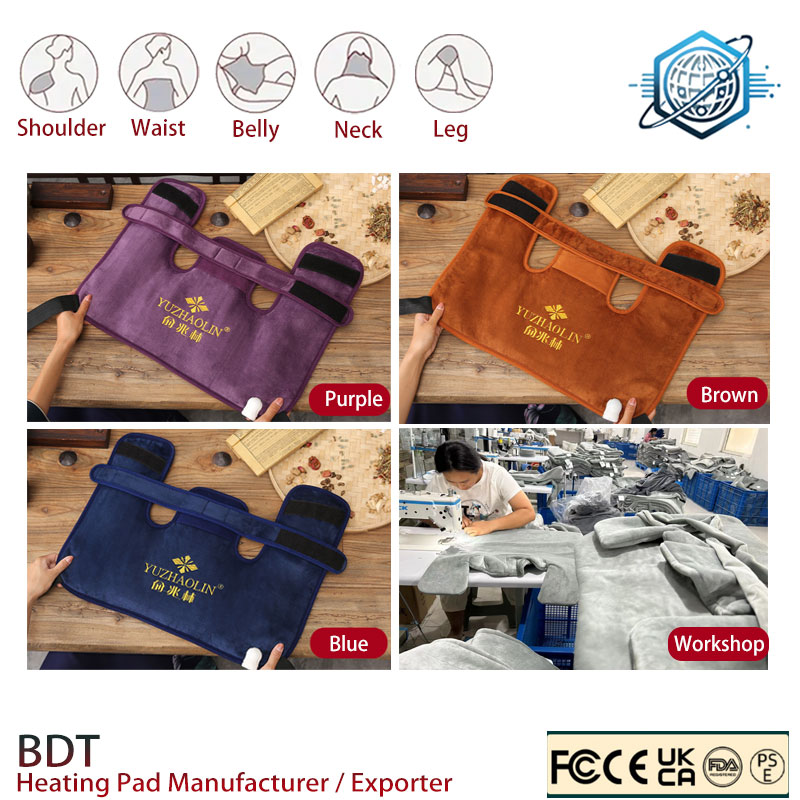
The effectiveness of a heating pad is largely determined by its form factor and how it conforms to the human anatomy. For individuals who spend significant portions of their day at a desk, chair-specific heating pads offer a compact, ergonomic solution. These are engineered to attach securely to office furniture, providing targeted warmth to the lower back and shoulders to prevent the muscle rigidity often caused by prolonged sitting.
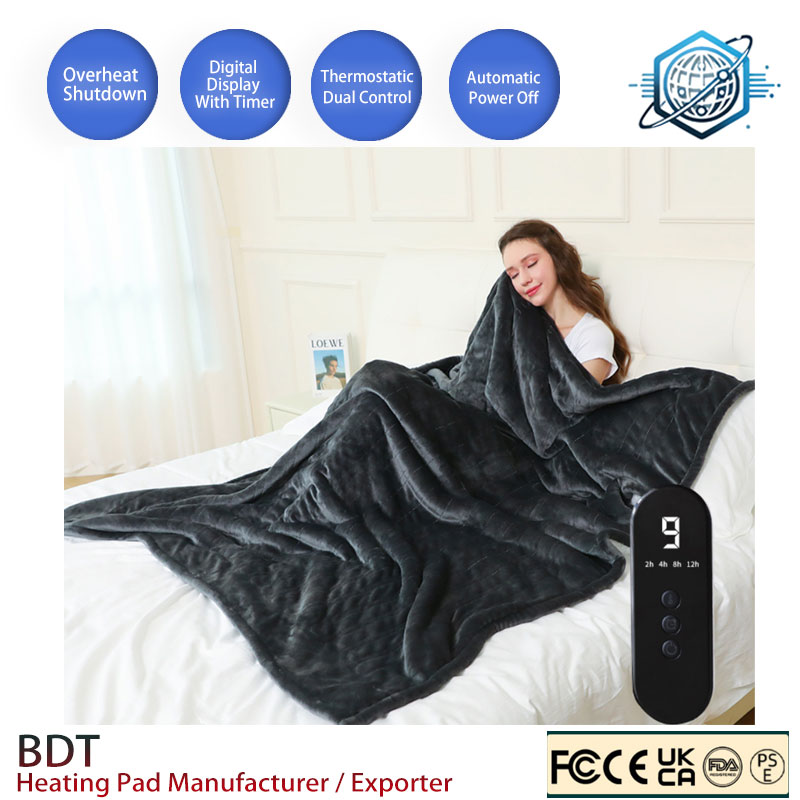
In contrast, bed-integrated heating pads are designed for larger surface areas and extended use. These models typically feature programmable timers and adjustable heat settings to ensure a safe transition into sleep, helping to ease systemic muscle aches and improve sleep quality through deep tissue warmth. Furthermore, a specialized niche has emerged for those integrating thermotherapy into fitness goals; certain pads are used to increase core body temperature, promoting sweating and supporting metabolic processes when paired with a balanced diet and exercise.

The Physiological Mechanism of Heat Therapy for Pain Management
Heat therapy works by inducing vasodilation, which expands blood vessels and increases the delivery of oxygen and nutrients to damaged tissues. This process is essential for those suffering from chronic conditions such as fibromyalgia or arthritis. By providing consistent, soothing heat to large areas—including the neck, shoulders, and legs—these pads reduce muscle stiffness and alleviate the tension that often leads to acute pain episodes.
The deep penetration of warmth helps in loosening tight joints and relieving spasms, which significantly improves overall mobility. As a non-invasive, drug-free alternative, regular use of medical-grade heating pads can lead to a reduced dependence on over-the-counter pain medications. This makes them an indispensable tool for natural pain management and stress reduction in both clinical and home-care settings.
Evaluating Quality Standards in Home Medical Heating Devices
When looking to buy electric heat pad systems for long-term use, procurement should focus on biocompatibility and safety certifications. High-quality devices utilize medical-grade materials that ensure durability and consistent heat distribution without creating "hot spots" that could lead to skin burns. The integration of advanced temperature controllers is a hallmark of professional manufacturing, allowing users to toggle between therapeutic levels based on their sensitivity.
From a supplier perspective, the ability to provide OEM and ODM services is crucial for distributors who require specific dimensions or branding. Shijiazhuang BDT Trading Co., Ltd. emphasizes a strict quality control framework, ensuring that every unit undergoes rigorous testing for electrical safety and thermal stability. This commitment to precision ensures that the product not only provides comfort but adheres to the safety standards required for home medical device usage.
Comparison of Heating Pad Types by Application
| Pad Type | Primary Use Case | Heat Distribution | Portability |
|---|---|---|---|
| Chair Pad | Office / Sedentary Work | Targeted (Lumbar/Shoulder) | High |
| Bed Pad | Sleep / Systemic Relief | Wide Area Coverage | Low |
| Weight Loss Pad | Fitness / Detox | Core Temperature Focus | Medium |
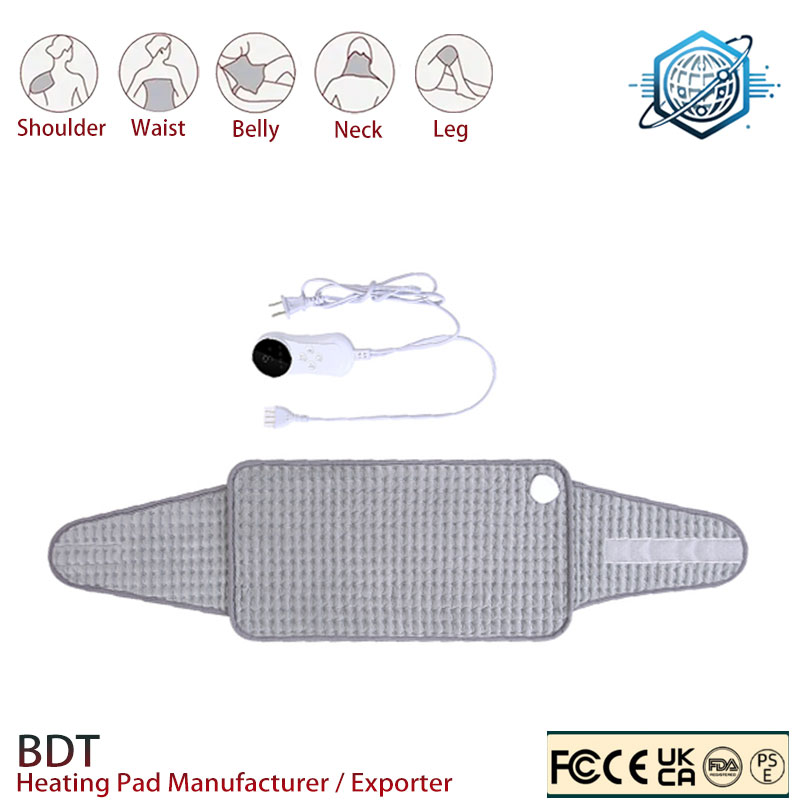
| Wearable Wrap | Mobile Pain Relief | Localized / Ergonomic | Very High |
| Pet Heating Pad | Animal Therapy | Low-Intensity Constant | Medium |
Supply Chain Reliability and Manufacturing Excellence
The reliability of medical heating products depends on the synergy between R&D, production, and quality control. A professional manufacturing setup involves strategic location for logistics and a dedicated team overseeing every stage of the cycle. By implementing strict quality measures from raw material sourcing to final inspection, manufacturers can ensure a short production cycle without compromising the integrity of the heating elements.
For global importers and distributors, partnering with a manufacturer that has an extensive global footprint—exporting to over 150 countries including the USA, Canada, and Spain—provides confidence in the product's international compliance. This experience allows the manufacturer to adapt to different voltage requirements and safety regulations, ensuring that the heating pads are safe for diverse global markets.
Future Trends in Thermotherapy and Home Care
The industry is moving toward "smart" thermotherapy, where heating pads may eventually integrate with health-monitoring sensors to adjust temperatures based on the user's skin response. There is also a growing demand for hybrid materials that combine electric heating with traditional salt-based heat retention, offering a more natural feeling of warmth that lasts longer after the power is disconnected.
As the global population ages, the demand for non-invasive pain relief tools will continue to rise. The focus will shift toward more ergonomic designs that allow for seamless integration into daily activities, moving beyond the static bed or chair pads into more flexible, wearable technologies that provide therapeutic relief without restricting movement.
Frequently Asked Questions on Electric Heat Therapy
What is the difference between a heating pad for a chair and one for a bed?
Chair pads are compact and designed for targeted warmth to the back and shoulders during active sitting, whereas bed pads cover a larger area and often include programmable timers for safe, overnight use.
Can electric heating pads really help with chronic pain like arthritis?
Yes, by increasing blood flow and relaxing muscles, heat therapy reduces joint stiffness and alleviates the pain associated with chronic conditions like arthritis and fibromyalgia.
Are there specific safety considerations when choosing a heating pad?
Buyers should look for medical-grade materials, adjustable temperature settings, and automatic shut-off features to prevent overheating and skin burns.
Do heating pads actually support weight loss?
Some pads increase body temperature to promote sweating, which can complement a calorie-burning regimen, but they should be used alongside diet and exercise, not as a sole solution.
What should a distributor look for in a heating pad manufacturer?
Look for companies with ISO certifications, a proven global export track record, and the ability to provide customized OEM/ODM solutions to meet specific market needs.
How often can I use a heating pad for muscle recovery?
While heat therapy is generally safe for daily use, it is recommended to use the pads in intervals and consult a healthcare provider for specific medical conditions.
Technical and Medical References
- PubMed - Research on Thermotherapy and Pain Management
- World Health Organization - Guidelines on Home Care Devices
- FDA - Medical Device Safety and Classification
- ISO - Quality Management Systems for Medical Devices (ISO 13485)
Selecting the right thermotherapy device is a balance between application needs and manufacturing quality. By choosing professional-grade heating solutions, users can effectively manage pain and improve their overall quality of life through safe, consistent heat application.
Related Thermal Therapy Solutions