
- bdttonyjiao@hotmail.com
- +86 +8615081115902
- 9-1-701 TonfuTown Shijiahzuang City Hebei Province China
Sep . 13, 2025 10:00 Back to list
Electric Hot Pad: Fast Pain Relief & Cozy Warmth
Industry Trends and Market Dynamics for Advanced Heating Solutions
The global demand for efficient and reliable thermal management solutions continues to surge across diverse industrial sectors. Particularly, the market for the electric hot pad is experiencing significant growth, driven by advancements in materials science, energy efficiency imperatives, and the increasing automation of manufacturing processes. Key trends include the integration of smart controls, enhanced power density in compact designs, and a strong emphasis on environmental sustainability. We observe a clear shift towards more durable, precise, and customizable heating elements, moving beyond traditional methods to embrace technologies like flexible film heaters, ceramic heaters, and silicone rubber heaters. Related innovations such as the electric hot mat, electric blanket, and even specialized solutions like the korean electric mat in broader consumer applications also reflect a general market acceptance and demand for localized, controllable warmth, which translates into industrial requirements for process heating, temperature maintenance, and freeze protection. The demand extends to specialized applications requiring a small electric pad for intricate components.
Technological advancements are leading to products with superior thermal uniformity and faster response times. The adoption of advanced insulation materials and integrated temperature sensors is paramount for optimizing energy consumption and ensuring operational safety. Furthermore, the rise of the wireless heating pad signifies a growing interest in portability and ease of deployment, a feature increasingly sought after in both B2B and B2C segments. This evolution is critical for industries seeking to minimize energy waste and maximize operational uptime, offering precise thermal control for sensitive processes.
The Manufacturing Process of Advanced Electric Heating Pads
The production of a high-performance electric heating pad involves a meticulously controlled, multi-stage manufacturing process designed to ensure durability, efficiency, and safety. This sophisticated process integrates cutting-edge material science with precision engineering techniques.
Process Flow Overview:
- Material Selection & Preparation: High-grade materials are chosen for specific applications. For industrial variants, this often includes silicone rubber, PTFE (Teflon), Kapton (Polyimide), or mica for insulation, and resistive elements made from nickel-chromium alloys (NiCr) or carbon fiber. These materials are selected for their thermal stability, dielectric strength, and mechanical resilience.
-
Resistive Element Fabrication:
- Wire-Wound Elements: NiCr resistance wire is precisely wound onto a fiberglass core or etched into a foil pattern. This step often involves automated CNC winding machines to ensure uniform spacing and resistance distribution, crucial for consistent heat output.
- Etched Foil Elements: For thinner, more flexible pads, a metal foil (e.g., copper, nickel alloy) is etched using photolithography to create the desired resistive pattern. This method provides superior heat distribution and faster thermal response.
- Insulation Layer Application: The resistive element is encapsulated between layers of dielectric material, such as silicone rubber sheets or Kapton film. This process typically involves laminating or calendering, ensuring the heating element is fully isolated and protected from moisture and mechanical stress. Specialized silicone compounds can be cast or molded around the element for intricate shapes.
- Sensor Integration: Temperature sensors (e.g., RTDs, thermocouples, thermistors) are precisely integrated into the pad structure, often near the heating elements, to provide accurate feedback for thermal control systems. This is critical for maintaining process temperatures and preventing overheating.
- Lead Wire Attachment & Sealing: High-temperature lead wires are attached to the resistive elements using robust connection methods (e.g., crimping, welding, soldering) and then sealed with vulcanized silicone or epoxy to ensure moisture resistance and strain relief.
- Curing/Vulcanization: For silicone-based pads, the assembly undergoes a curing or vulcanization process under controlled temperature and pressure. This cross-links the silicone polymers, giving the pad its final physical properties, including flexibility, chemical resistance, and operational temperature range.
- Finishing & Customization: Depending on the application, additional components like adhesive backing, temperature controllers, grommets, or custom cutouts are added. The button design on our featured product, for instance, involves specialized molding and integration.
-
Quality Control & Testing: Each pad undergoes rigorous testing, including:
- Dielectric Strength Test: To ensure insulation integrity (e.g., per UL 499, IEC 60335).
- Insulation Resistance Test: To verify electrical isolation.
- Power Output & Temperature Uniformity Test: Using thermal imaging and power meters.
- Flexibility & Durability Tests: For products like the electric cold pad or flexible heating pads.
The typical service life for industrial-grade electric heating pad units is 5-10 years, depending on the operational environment and duty cycle. Advantages in typical scenarios include up to 30% energy saving due to precise localized heating, superior corrosion resistance in chemical processing, and robust performance in extreme temperatures.
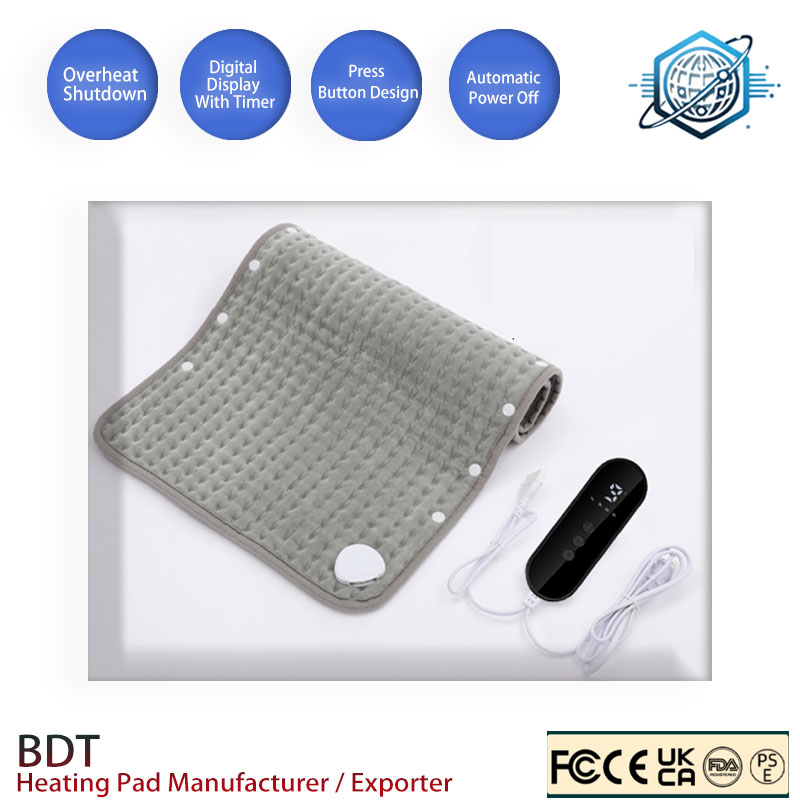
Technical Specifications and Performance Metrics
Understanding the technical parameters of an electric hot pad is crucial for B2B decision-makers to select the optimal solution for their specific industrial applications. Key specifications define the operational capabilities and efficiency of these devices.
Typical Product Specifications: Button Design Electric Heating Pad
| Parameter | Specification |
|---|---|
| Heating Element Type | Etched Foil / Wire-Wound NiCr |
| Insulation Material | High-Temperature Silicone Rubber (UL 94V-0 rated) |
| Voltage Range | 12V DC to 480V AC (customizable) |
| Power Density | Up to 5 W/cm² (32 W/in²) |
| Operating Temperature Range | -60°C to +250°C (-76°F to +482°F) |
| Temperature Control | Integrated Thermistor/RTD/Thermocouple, External PID Controller compatibility |
| Dielectric Strength | >2500 V AC for 1 minute |
| Insulation Resistance | >500 MΩ at 500 V DC |
| Thickness | 1.5mm - 5mm (customizable) |
| Moisture/Chemical Resistance | Excellent (IP67 options available) |
| Certifications | CE, RoHS, REACH, UL Recognized Components (upon request) |
These parameters highlight the robust engineering behind modern heating solutions, ensuring they meet stringent industrial requirements. The Button Design electric hot pad exemplifies this commitment to performance and reliability.
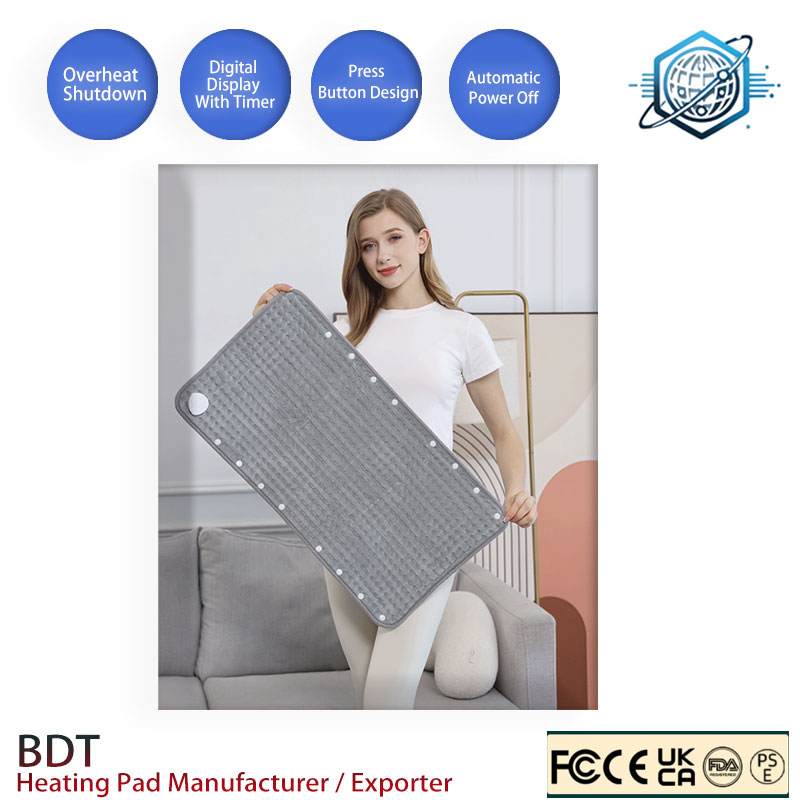
Application Scenarios and Technical Advantages
The versatility of the electric hot pad makes it indispensable across a multitude of industries requiring precise and localized thermal management. From maintaining critical process temperatures to preventing damage from cold, these heating elements offer significant technical advantages.
Typical Target Industries:
- Petrochemical: Freeze protection for pipes, valves, and instruments; maintaining viscosity of fluids in tanks and pipelines; heating sensitive chemicals to prevent crystallization.
- Metallurgy: Pre-heating molds or dies; stress relief for welded components; maintaining critical temperatures in casting processes.
- Water Supply & Drainage: Anti-condensation for electrical enclosures; freeze prevention for water meters, pumps, and outdoor pipelines, including applications for electric cold pad where controlled cooling or heating for specific processes is required.
- Food & Beverage: Maintaining temperature for syrups, chocolates, and oils; anti-condensation for refrigeration units; proofing dough in bakeries.
- Aerospace & Defense: De-icing applications; heating composite materials during curing; thermal management for sensitive electronic components.
- Medical & Laboratory: Sample heating; incubator temperature control; warming patient beds or equipment.
Technical Advantages:
- Precision Temperature Control: Integrated sensors and compatibility with advanced PID controllers allow for temperature regulation within ±1°C, minimizing energy waste and preventing thermal degradation of sensitive materials. This is a significant improvement over traditional, less precise heating methods.
- Energy Efficiency: Localized heating directly at the point of need significantly reduces overall energy consumption compared to heating an entire enclosure or volume. Many designs boast up to 25-30% energy savings.
- Corrosion and Chemical Resistance: Utilizing materials like silicone rubber and PTFE provides exceptional resistance to a wide range of chemicals, moisture, and harsh environmental conditions, extending the service life of the electric heating pad in aggressive industrial settings.
- Flexibility and Adaptability: The inherent flexibility of silicone and Kapton pads allows them to conform to irregular shapes and surfaces, providing uniform heating where rigid heaters cannot. This is particularly beneficial for complex geometries or small-scale heating requirements, such as a small electric pad.
- Rapid Thermal Response: Low thermal mass designs facilitate quick heat-up and cool-down cycles, optimizing process throughput and energy management.
- High Power Density: Compact designs can deliver substantial heat output, making them ideal for applications with limited space or requiring intense localized heating.
These inherent advantages make modern electric hot pad solutions a critical component in optimizing industrial processes and ensuring operational integrity.
Vendor Comparison and Customized Solutions
The market for industrial heating solutions features numerous vendors, each offering varying levels of specialization and product quality. When selecting an electric hot pad supplier, discerning buyers prioritize factors such as manufacturing expertise, material quality, certification adherence, and customization capabilities.
Vendor Comparison: Key Differentiators
| Feature | BDT Heating Pads (Example) | Competitor A (Generalist) | Competitor B (Niche) |
|---|---|---|---|
| Specialization | Flexible Silicone/Kapton Heaters, Custom Designs | Broad Range (Cartridge, Band, Flexible) | High-Temperature Ceramic Heaters |
| Customization Lead Time | 3-4 Weeks for Prototype, 5-7 Weeks for Production | 4-6 Weeks for Prototype, 8-10 Weeks for Production | 2-3 Weeks for Prototype (Limited scope), 6-8 Weeks for Production |
| Temperature Precision | ±1°C (with integrated sensor and PID) | ±3°C (typical for standard models) | ±0.5°C (for very high temp, specific applications) |
| Certifications | ISO 9001, CE, RoHS, UL Component Recognition | CE, RoHS | ISO 9001, Specific Industry Certs (e.g., ATEX) |
| Material Quality | Premium, Long-Life Silicone/Kapton, NiCr Elements | Standard Industrial Grade | Specialty Ceramics |
| After-Sales Support | Dedicated Technical Support, 2-Year Warranty | Standard Support, 1-Year Warranty | Project-Based Support, 1-Year Warranty |
Customized Solutions: Tailored to Your Requirements
Recognizing that off-the-shelf solutions rarely fit all complex industrial needs, BDT Heating Pads excels in providing highly customized electric hot pad designs. Our engineering team works closely with clients to develop heating solutions that precisely match their application's unique geometry, power requirements, thermal profiles, and environmental conditions.
- Shape and Size: From intricate small electric pad designs to large-format electric hot mat configurations, we fabricate pads to exact dimensions and complex contours.
- Power Density Distribution: Zoned heating with varying watt densities across the pad to achieve specific temperature gradients or compensate for heat sinks.
- Integrated Sensors and Controls: Embedding thermocouples, RTDs, or thermistors directly into the pad for closed-loop feedback, or integrating thermal cutoffs and thermostats for safety.
- Material Selection: Choice of silicone, Kapton, or mica depending on temperature range, flexibility needs, chemical exposure, and dielectric strength requirements.
- Attachment Methods: Factory-applied pressure-sensitive adhesive (PSA), mechanical fasteners, vulcanized-in eyelets, or straps.
- Environmental Sealing: Options for IP67 or higher ratings for protection against dust and water ingress.
This bespoke approach ensures optimal performance and seamless integration into existing systems, validating our commitment to meeting unique B2B demands.
Real-World Application Case Studies and Client Success
The proven efficacy of our electric hot pad solutions is best demonstrated through successful real-world applications and the positive feedback from our esteemed clientele. These case studies highlight the tangible benefits and return on investment achieved through precise thermal management.
Case Study 1: Freeze Protection for Chemical Storage Tanks
A leading chemical manufacturer faced significant operational disruptions during winter months due to the freezing of critical process fluids in external storage tanks and associated piping. Traditional radiant heaters proved inefficient and costly. We engineered custom-designed silicone electric hot mat solutions, precisely tailored to the tank curvatures and pipe diameters. Each pad incorporated embedded RTD sensors, interfaced with a central PLC for intelligent, zoned temperature control.
- Solution: High-power density silicone electric heating pad with integral thermistors, designed for IP67 environment.
- Result: Eliminated all freezing incidents, leading to 100% uptime for fluid transfer operations. Energy consumption reduced by 28% compared to previous methods. Projected ROI within 18 months due to avoided downtime and maintenance costs.
- Client Feedback: "The customized heating pads provided a robust and remarkably efficient solution. Their reliability has significantly improved our winter operations."
Case Study 2: Precision Heating for Aerospace Composite Curing
An aerospace component manufacturer required precise and uniform heating for curing complex carbon fiber composite structures. Uneven heat distribution led to material defects and costly rejections. We developed ultra-thin Kapton electric heating pad elements, designed with multiple heating zones and integrated micro-thermocouples, conforming perfectly to the intricate molds.
- Solution: Multi-zone Kapton electric heating pad with ±0.5°C temperature uniformity across the surface.
- Result: Achieved unprecedented curing uniformity, reducing material rejection rates by 95% and significantly improving product quality and structural integrity. Cycle times for curing were optimized.
- Client Feedback: "The precision offered by these custom Kapton pads transformed our curing process. The consistency is unparalleled, allowing us to meet stringent aerospace standards with confidence."
Case Study 3: Maintaining Viscosity in Industrial Inkjet Systems
A manufacturer of industrial inkjet printers needed to maintain the viscosity of specialized inks within a narrow temperature range to ensure consistent print quality, especially in varying ambient conditions. Small, flexible heating elements were required for compact ink reservoirs and print heads.
- Solution: Miniaturized silicone small electric pad with self-regulating PTC (Positive Temperature Coefficient) characteristics and adhesive backing for easy application to critical components.
- Result: Consistent ink viscosity maintained regardless of ambient temperature fluctuations, leading to a 40% reduction in print head clogging and a marked improvement in print quality and reliability. The compact design facilitated easy integration.
- Client Feedback: "These tiny heating pads were exactly what we needed. They are incredibly reliable and have solved a persistent issue, leading to much happier customers and fewer service calls."
Trustworthiness and Support
Frequently Asked Questions (FAQ)
- Q1: What are the typical lead times for custom electric hot pad orders?
- A1: For standard custom designs, prototype lead times typically range from 3-4 weeks. Production orders generally follow within 5-7 weeks after prototype approval, depending on complexity and order volume. Expedited options are available upon request.
- Q2: What is your warranty policy for electric heating pad products?
- A2: We offer a comprehensive 2-year warranty on all our industrial electric heating pad products against manufacturing defects and material failures under normal operating conditions. This commitment reflects our confidence in the quality and durability of our solutions.
- Q3: Can your electric hot pad be used in hazardous environments?
- A3: Yes, we offer specialized heating pads designed and certified for use in hazardous (e.g., ATEX, Class 1 Div 1/2) environments. These typically involve specific material compositions, enclosure ratings, and strict manufacturing protocols to ensure safety and compliance. Please consult our technical sales team with your specific requirements.
- Q4: How do I select the correct power density for my application?
- A4: Selecting the optimal power density is crucial. It depends on factors such as the material to be heated, desired temperature, ambient conditions, insulation, and heat-up time. Our engineering team provides complimentary thermal analysis and design assistance to ensure your body heating pad or industrial heater is perfectly matched to its task, preventing overheating or insufficient performance.
Lead Time & Fulfillment
BDT Heating Pads is committed to efficient project management and timely delivery. Our streamlined manufacturing process, combined with robust supply chain management, ensures that both standard and customized electric heating pad orders are processed and fulfilled promptly. We provide detailed project timelines for all custom solutions, from design approval to final shipment, ensuring transparency and predictability for our B2B partners.
Warranty Commitments
Our confidence in the superior quality and manufacturing integrity of our electric hot pad solutions is reflected in our robust warranty. All products are backed by a minimum 2-year warranty, covering defects in materials and workmanship. This commitment provides our clients with peace of mind and assurance in the long-term performance of their investment. Extended warranty options are available for specific projects.
Customer Support and After-Sales Service
At BDT Heating Pads, customer satisfaction extends beyond the point of sale. Our dedicated technical support team is available to assist with installation, troubleshooting, and optimization of your electric hot pad systems. We offer comprehensive after-sales support, including spare parts availability, technical documentation, and expert consultation to ensure the continuous and efficient operation of your heating solutions.
Authoritative References and Industry Compliance
Our commitment to quality, safety, and performance is underpinned by rigorous adherence to international standards and industry certifications. BDT Heating Pads maintains ISO 9001 certification, demonstrating a robust quality management system across all manufacturing and operational processes for every electric heating pad produced. Our products regularly undergo testing to comply with CE, RoHS, and REACH directives, ensuring environmental responsibility and market access across various global regions. Furthermore, components within our heating pads are designed and manufactured to meet relevant UL standards, and specific product lines carry UL Recognized Component marks where applicable, providing an additional layer of assurance for system integrators and end-users. We actively collaborate with leading research institutions and industry bodies to stay at the forefront of thermal technology, ensuring our solutions not only meet but often exceed current industry benchmarks.
References
- International Organization for Standardization (ISO). "ISO 9001: Quality management systems – Requirements."
- Underwriters Laboratories (UL). "UL 499: Standard for Electric Heating Appliances."
- International Electrotechnical Commission (IEC). "IEC 60335: Household and similar electrical appliances – Safety."
- European Committee for Electrotechnical Standardization (CENELEC). "CE Marking Directives."
- "Journal of Applied Thermal Engineering," Volume 185, 2021.
- "IEEE Transactions on Components, Packaging and Manufacturing Technology," Volume 11, Issue 2, 2021.
-
Ultimate Guide to Choosing a Rechargeable Heated Blanket for Winter
NewsApr.16,2026 -
Ultimate Guide to Choosing a Portable Battery Operated Blanket
NewsApr.09,2026 -
Discover the Comfort of a Full Size Electric Blanket for Cozy Warmth
NewsApr.07,2026 -
Experience Ultimate Comfort with a Portable Heated Blanket for All Your Adventures
NewsApr.04,2026 -
The Comprehensive Guide to Battery Powered Heated Blankets for Ultimate Warmth
NewsMar.31,2026 -
Discover the Comfort of a USB Heated Blanket for Warmth and Wellness
NewsMar.28,2026
Our Products
Contact Us
- Mob: +86 +8615081115902
- Email: bdttonyjiao@hotmail.com
- Whatspp:+86 15081115902
- Add:9-1-701 TonfuTown Shijiahzuang City Hebei Province China


