When evaluating a heating pad electric price, most consumers focus solely on the number on the tag. However, the actual value of a therapeutic heating device is determined by the intersection of thermal consistency, safety certifications, and the specific health condition it aims to address.
The market for home medical heating devices has shifted from simple warmth providers to targeted therapy tools. Whether managing chronic arthritis or improving peripheral circulation, the technical specifications of a heating pad directly influence its clinical effectiveness and long-term cost-efficiency.
Understanding the drivers behind pricing and performance allows users to move beyond basic shopping and toward an informed health investment. This analysis explores the technical and practical factors that define the modern electric heating pad landscape.


Historically, heat therapy relied on primitive methods like hot stones or water bottles, which lacked temperature control and consistent heat distribution. The introduction of electric heating elements transformed this into a precise medical tool, allowing for regulated temperatures that can be maintained for hours.
Modern devices have branched into specialized categories. While a general electric heating pad provides broad relief, specialized tools like foot warmers and waist heating pads address specific anatomical needs, focusing heat where it is most required to dilate blood vessels and relax deep-tissue muscles.
The efficiency of an electric heating pad is governed by its heating element and its control system. High-quality devices utilize advanced conductive wires that ensure an even spread of heat, preventing "hot spots" that could lead to skin burns. The material of the outer cover—whether it is medical-grade fabric or soft plush—also dictates how effectively heat is transferred to the skin.
Safety mechanisms are a critical part of the technical architecture. Auto-shutoff timers and multi-level temperature sensors are not merely luxury features; they are essential for preventing overheating, especially for users with reduced skin sensitivity, such as those suffering from peripheral neuropathy.
From a manufacturing perspective, as seen with Shijiazhuang BDT Trading Co., Ltd., the integration of biocompatible materials and strict quality control ensures that the product not only warms the body but does so without causing irritation or chemical reactions, maintaining a high standard for home medical device safety.
Heat therapy works primarily through vasodilation. By increasing the temperature of the skin and underlying tissues, blood vessels expand, which enhances the flow of oxygenated blood to the affected area. This process is vital for recovering from muscle strain and managing chronic joint stiffness.
Targeted thermotherapy accelerates the removal of metabolic waste from muscles and reduces inflammation in connective tissues, making it a primary non-pharmacological intervention for arthritis and plantar fasciitis.
For conditions like Raynaud's disease or general poor circulation in the extremities, consistent warmth from a foot or hand warmer prevents the restrictive vasoconstriction that causes numbness and pain. This proactive warmth helps maintain joint mobility and reduces the morning stiffness associated with rheumatoid conditions.
When analyzing the heating pad electric price, it is useful to look at a value index that weighs the cost against the specific utility provided. Disposable pads offer low entry costs but high long-term waste, whereas rechargeable and electric pads provide sustained value through longevity and adjustable intensity.
The following index illustrates the relative effectiveness and value distribution of common heating modalities based on their therapeutic capacity and operational costs.
In a typical home care setting, an electric heating pad is often used as a preparatory tool before physical therapy. By applying heat to the lower back or neck for 15-20 minutes, the user reduces muscle tension, which allows for a greater range of motion during stretching or exercise, thereby reducing the risk of injury.
For those managing arthritis in the hands, a compact hand-warming pad provides an essential bridge between medication and activity. Applying gentle, consistent heat before performing daily tasks—such as typing or cooking—can significantly decrease joint stiffness and improve the dexterity required for these movements.
The trajectory of home heating devices is moving toward "intelligent thermoregulation." We are seeing a shift from static temperature settings to adaptive systems that can sense skin temperature and adjust the output in real-time to maintain a therapeutic window without risking thermal injury.
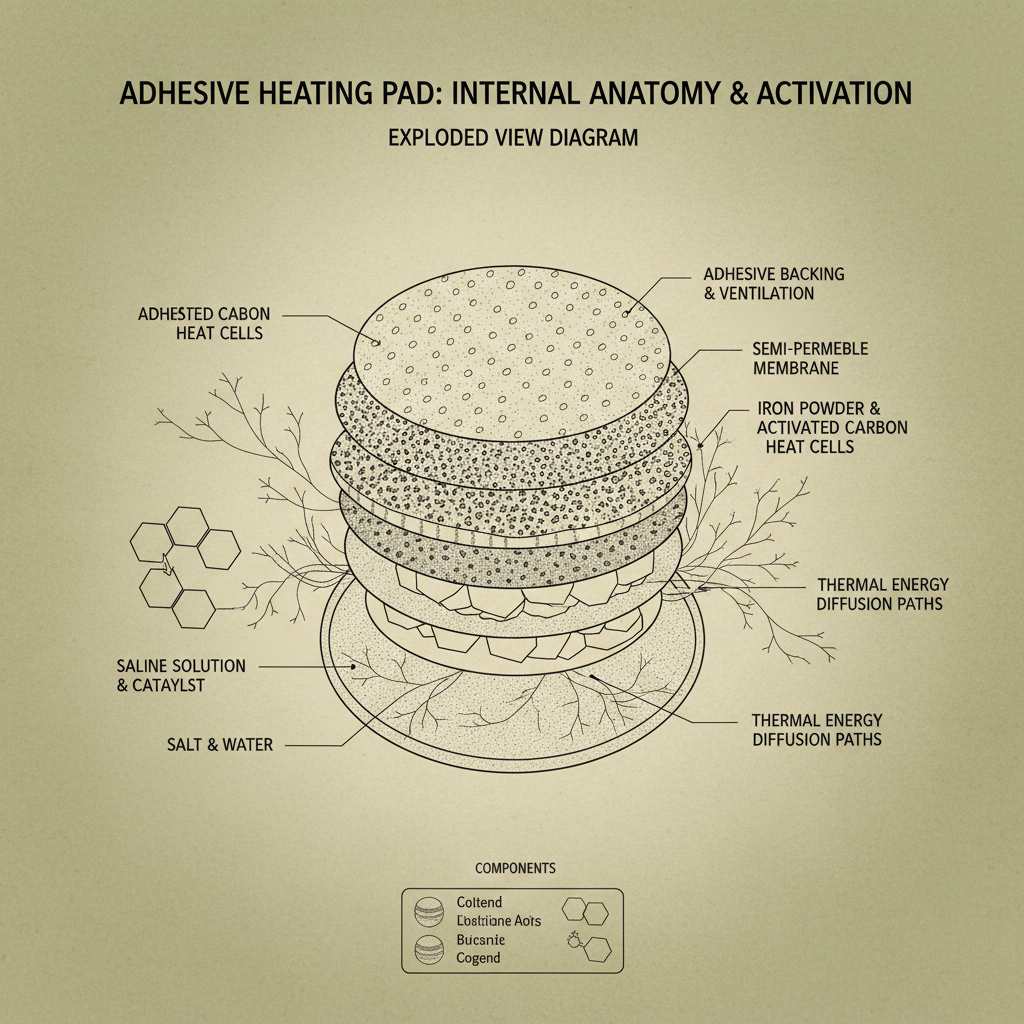
Another significant trend is the integration of diverse heating elements. While electric coils are standard, the use of salt-based heating and carbon-fiber technology is increasing, offering more natural heat distribution and improved energy efficiency.
Ultimately, the focus is shifting toward holistic wellness. Devices are no longer just for pain; they are being integrated into sleep hygiene routines, where gentle warmth in the feet helps regulate the body's core temperature, facilitating a more rapid onset of deep sleep.
Selecting the right device requires a balance between the desired therapeutic outcome and the operational environment. A user who needs relief while working at a desk will prioritize a USB-powered or rechargeable hand warmer over a heavy-duty electric blanket.
The trade-off usually exists between portability and power. Electric pads offer the most precise control and highest heat intensity, but they tether the user to a power source. In contrast, rechargeable options offer freedom of movement but limited duration and lower peak temperatures.
The following framework assists in selecting the appropriate heating modality based on the clinical need and usage scenario.
| User Need | Recommended Type | Key Advantage | Primary Limitation |
|---|---|---|---|
| Chronic Back Pain | Electric Heating Pad | High thermal stability | Stationary use |
| Hand Arthritis | Hand-Warming Pad | Targeted joint relief | Small coverage area |
| Poor Circulation | Foot Warmer | Enhanced extremity flow | Specific fit required |
| Full Body Chill | Heated Blanket | Broad thermal coverage | Higher energy use |
| On-the-go Relief | Rechargeable Pad | High portability | Battery life limits |
| Short-term Travel | Disposable Pad | No power needed | Single-use waste |
The price is primarily driven by the quality of the heating elements (e.g., carbon fiber vs. standard wire), the precision of the temperature control system, and the inclusion of safety features like automatic shut-off timers. Additionally, the use of medical-grade, biocompatible fabrics and certifications for safety and durability add to the cost but ensure a safer therapeutic experience.
Yes, they can be beneficial for relieving pain, but extreme caution is required. People with peripheral neuropathy often have reduced sensation, meaning they may not feel when a pad is too hot, increasing the risk of burns. It is critical to use devices with precise temperature settings and automatic timers, and to always check the skin for redness or irritation during use.
Heat therapy increases blood flow to the joints, which helps to reduce inflammation and relax the surrounding muscles and tendons. This leads to improved joint flexibility and a significant reduction in the stiffness and pain often felt in the mornings or during cold weather, making daily activities more manageable for arthritis sufferers.
A heating pad is generally a smaller, more concentrated device intended for targeted therapy on a specific area (like the lower back or neck). A heated blanket is designed for broad warmth and overall body temperature regulation. While blankets provide comfort, heating pads are typically more effective for treating specific localized pain or medical conditions.
Typically, 15 to 20 minutes is recommended for most therapeutic applications. Overusing heat can potentially cause skin irritation or, in some cases, increase swelling if applied too soon after an acute injury. It is always best to follow the manufacturer's instructions and consult a healthcare provider for specific medical conditions.
Yes, especially when used on the feet. Warming the extremities helps dilate blood vessels, which can signal the brain to lower the core body temperature—a natural biological trigger for sleep. By relaxing muscles and reducing discomfort, a heating pad can help users unwind and fall asleep more quickly.
Investing in an electric heating device is less about the immediate price and more about the long-term therapeutic value. By prioritizing safety features, thermal consistency, and anatomical fit, users can effectively manage chronic pain and improve their overall quality of life.
As technology advances toward smarter, more adaptive systems, the boundary between simple home comfort and professional thermotherapy continues to blur, offering more accessible and effective pain management solutions for everyone.

Our Products
Contact Us