
- bdttonyjiao@hotmail.com
- +86 +8615081115902
- 9-1-701 TonfuTown Shijiahzuang City Hebei Province China
Sep . 22, 2025 12:00 Back to list
Premium Capillary Collection Tubes - Heparinized for Accurate Results
Introduction to Advanced Capillary Blood Collection
In contemporary clinical diagnostics and medical research, the precision and integrity of blood samples are paramount. This is particularly true for micro-volume collection, where capillary collection tubes play a critical role. Designed for drawing small blood volumes from capillary punctures, these specialized tubes are indispensable in various healthcare settings, including pediatrics, geriatrics, point-of-care testing (POCT), and situations requiring frequent monitoring or where venous access is challenging. This article delves into the technical aspects, industry applications, and advantages of high-quality capillary collection tubes, with a specific focus on those treated with lithium heparin for optimal sample anticoagulation and analysis.
The evolution of these devices has significantly enhanced patient comfort, minimized invasive procedures, and improved the accuracy of results from limited sample sizes. Their impact on diagnostic efficiency and patient care continues to grow, driven by technological advancements and stringent regulatory requirements.
Industry Trends and Market Dynamics for Capillary Collection Solutions
The market for blood collection devices, particularly those for capillary samples, is experiencing robust growth driven by several key trends. The increasing global prevalence of chronic diseases necessitates frequent diagnostic monitoring, while advancements in POCT technologies demand rapid, reliable results from minimal sample volumes. Furthermore, a heightened focus on patient-centric care emphasizes less invasive procedures, making solutions like capillary collection tubes highly desirable.
- Shift Towards Decentralized Testing: The expansion of POCT in clinics, pharmacies, and even home care settings is a major driver, requiring easy-to-use, reliable micro-collection devices.
- Pediatric and Geriatric Demographics: Fragile veins and smaller blood volumes in neonates, infants, and elderly patients make capillary collection the preferred method, boosting demand for specialized capillary tube with heparin options.
- Technological Integration: Innovations in tube materials, anticoagulant coatings, and integrated collection systems (e.g., micro-pipettes, self-filling designs) are enhancing efficiency and sample quality.
- Regulatory Scrutiny: Strict adherence to international standards like ISO 13485 and FDA guidelines ensures product safety and efficacy, pushing manufacturers towards higher quality and more consistent production.
Market analysts predict continued expansion, with the global blood collection tubes market expected to reach approximately USD 3.9 billion by 2028, growing at a CAGR of 6-8%. This growth underscores the critical importance of reliable and technologically advanced heparinized capillary tube products.
Technical Specifications of Heparin Lithium Capillary Blood Collection Tubes
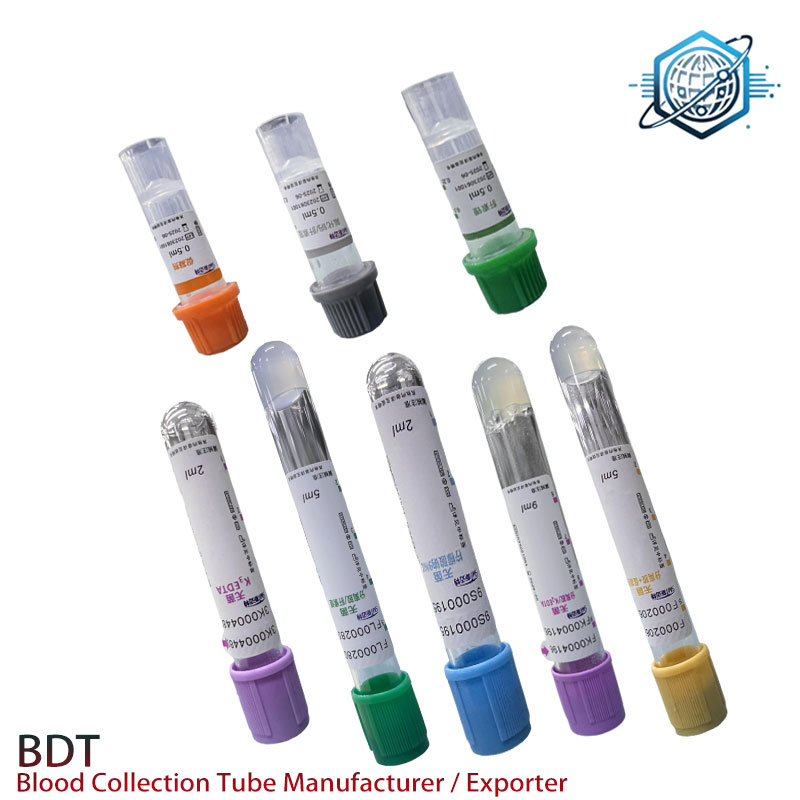
Our Heparin Lithium Capilllary Blood Collection Tubes are engineered for superior performance in micro-collection, specifically designed to meet the rigorous demands of clinical laboratories. The inclusion of lithium heparin as an anticoagulant is crucial for preventing blood coagulation while having minimal impact on most analytes, particularly important for clinical chemistry assays.
Product Materials and Design Philosophy
These tubes are typically constructed from high-quality, medical-grade borosilicate glass or specialized plastic (e.g., PET) to ensure inertness and optical clarity. Glass capillary tubes, often used for microhematocrit determinations, offer excellent barrier properties. Plastic variants, while offering enhanced safety against breakage, are carefully selected to minimize adsorption or interaction with blood components or analytes. The internal surface is meticulously coated with lithium heparin, applied uniformly to ensure effective anticoagulation without causing hemodilution or affecting subsequent analytical results. The specific concentration of lithium heparin is optimized to prevent clotting for a defined period without interfering with enzyme activity or electrolyte measurements.
Key Specifications and Parameters
| Parameter | Specification | Description/Benefit |
|---|---|---|
| Tube Material | Medical-grade Glass or PET Plastic | Ensures inertness, optical clarity, and patient safety. Plastic options reduce breakage risk. |
| Anticoagulant | Lithium Heparin | Prevents coagulation by activating antithrombin; suitable for most clinical chemistry tests. |
| Heparin Concentration | 15-30 IU/mL blood | Optimized to ensure effective anticoagulation without significant dilution or interference. |
| Nominal Fill Volume | 50 µL - 500 µL (variable) | Precision volume for micro-sampling needs, minimizing patient discomfort. |
| Inner Diameter | 0.5 mm - 1.5 mm | Designed for optimal capillary action for efficient blood drawing. |
| Length | 75 mm - 100 mm (variable) | Standard lengths compatible with microcentrifuges and analytical equipment. |
| Sterility | Sterile (Gamma Irradiated or EO) | Ensures patient safety and sample integrity, preventing contamination. |
| Shelf Life | 24-36 months | Extended usability and reliable performance over time. |
These specifications ensure that lithium heparin capillary tubes provide reliable and accurate results for a broad spectrum of diagnostic applications.
Precision Manufacturing Process of Capillary Collection Tubes
The manufacturing of high-quality capillary collection tubes is a complex process demanding meticulous control over materials, environment, and quality assurance. Our process is designed to ensure superior product performance and compliance with global medical device standards.
Schematic Process Flow:
- 1. Material Selection & Preparation: Selection of high-grade, virgin medical plastics (e.g., PET) or borosilicate glass. Materials undergo rigorous quality inspection for purity, dimensional stability, and inertness. This step is crucial for preventing leachables or extractables that could interfere with patient samples.
- 2. Tube Extrusion/Molding: Precision extrusion or injection molding techniques are employed to form the tubes with exact internal and external diameters and consistent wall thickness. For glass tubes, this involves precise glass drawing and cutting. This stage requires high-precision machinery to ensure optimal capillary action for blood drawing.
- 3. Anticoagulant Coating: The inner surface of the tubes is coated with a precise amount of lithium heparin solution. This is often performed using a spray-drying or vacuum-coating process to achieve a uniform, thin layer of anticoagulant. The consistency of this coating is critical to prevent micro-clots and ensure accurate test results.
- 4. Drying & Curing: After coating, tubes are carefully dried to remove residual solvents and ensure the heparin is fully adhered and stable on the inner surface. Controlled temperature and humidity are vital to maintain anticoagulant efficacy.
- 5. Precision Cutting & Finishing: Tubes are cut to specified lengths with highly accurate automated systems, ensuring clean, burr-free edges. End caps or plugs, if applicable, are then precisely fitted.
- 6. Quality Control & Inspection: Each batch undergoes stringent quality checks including dimensional accuracy, visual inspection for defects, anticoagulant integrity (e.g., clotting time tests), fill volume accuracy, and sterility testing. Compliance with ISO 13485 standards for medical devices is meticulously maintained.
- 7. Sterilization: The finished tubes are sterilized, typically via gamma irradiation or ethylene oxide (EO) gas, to ensure they are free from microorganisms. This process is validated according to ISO 11137 (for radiation) or ISO 11135 (for EO).
- 8. Packaging: Tubes are packaged in sterile, easy-to-open, and durable materials, often in trays or pouches that protect their integrity until use. Lot numbers and expiration dates are clearly marked for traceability.
This rigorous process flow ensures that every heparinized capillary tube meets the highest standards for diagnostic reliability and patient safety, offering a dependable service life consistent with medical device regulations.
Diverse Application Scenarios of Capillary Collection Tubes
The versatility and precision of capillary collection tubes make them indispensable across a wide spectrum of medical and research applications. Their design allows for minimal blood volume collection, which is critical in sensitive populations and specific diagnostic tests.
- Pediatric and Neonatal Care: For infants and neonates, preserving blood volume is crucial. These tubes enable critical tests such as bilirubin, glucose, and complete blood count (CBC) without significant blood loss or patient distress.
- Geriatric Patients and Oncology: Patients with fragile veins or those undergoing chemotherapy often have compromised venous access. Capillary collection offers a less painful and safer alternative for routine monitoring of blood parameters, including electrolytes, renal function, and therapeutic drug monitoring.
- Point-of-Care Testing (POCT): In emergency rooms, clinics, or remote settings, rapid diagnostic results are essential. Capillary tubes facilitate immediate collection for POCT devices, enabling quick assessment of glucose, lactate, blood gases, and more, contributing to faster clinical decisions and improved patient outcomes.
- Diabetic Monitoring: For diabetic patients requiring frequent blood glucose monitoring, these tubes offer a convenient and less invasive method, particularly useful for home-based or self-testing programs.
- Clinical Research and Drug Development: In studies requiring serial blood draws or when dealing with animal models, micro-volume collection is preferred to minimize stress and maintain animal welfare, while providing sufficient sample for pharmacokinetic or pharmacodynamic analyses.
- Mass Screening Programs: For large-scale public health initiatives, such as newborn screening for metabolic disorders, capillary collection is the standard method due to its simplicity and suitability for widespread application.
In these scenarios, the advantages of using lithium heparin capillary tubes include enhanced patient comfort, significantly reduced risk of iatrogenic anemia, and the ability to obtain high-quality samples from challenging venipuncture sites, ultimately improving diagnostic accuracy and efficiency.
Technical Advantages of Our Capillary Collection Tubes
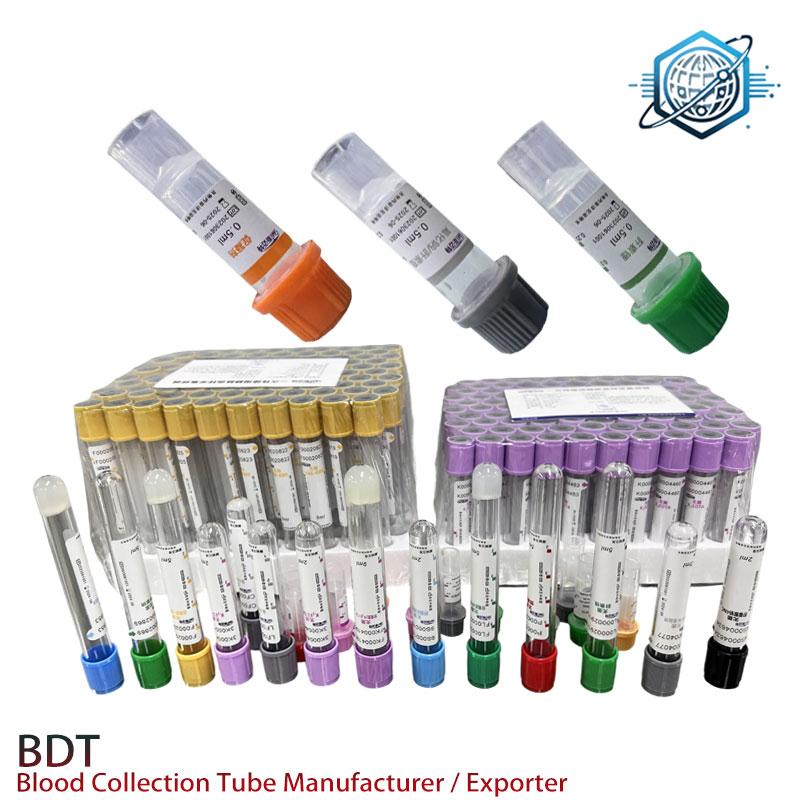
Our heparinized capillary tube products offer distinct technical advantages that set them apart in the market, ensuring optimal sample integrity and reliable diagnostic outcomes for critical applications.
- Optimized Anticoagulation: The precise and uniform coating of lithium heparin guarantees efficient anticoagulation without affecting the volume of collected blood or interfering with subsequent analytical tests, especially critical for electrolyte balance and enzyme assays.
- Reduced Hemolysis: Our manufacturing process minimizes the potential for hemolysis, a common issue in capillary blood collection. The smooth internal surface and optimized design reduce shear stress on red blood cells during collection, preserving sample quality.
- Accurate Fill Volume: Each tube is designed for highly accurate fill volumes, crucial for maintaining the correct blood-to-anticoagulant ratio, thereby preventing dilution errors or insufficient anticoagulation that can compromise results.
- Enhanced Safety Features: Available in both glass and shatter-resistant plastic options, our tubes prioritize user and patient safety. Plastic variants are ideal for minimizing breakage risk in high-volume settings or with less experienced personnel.
- Compatibility with Diagnostic Platforms: Engineered to be compatible with a wide range of standard microcentrifuges and automated analyzers, ensuring seamless integration into existing laboratory workflows and reducing the need for costly equipment adjustments.
- Superior Sample Integrity: The inert materials and consistent heparinization protect analytes from degradation or contamination, providing a stable sample suitable for various biochemical, immunological, and hematological assays.
- Extended Sample Stability: Proper anticoagulation and material choice contribute to extending the stability of collected samples, allowing for flexibility in transport and processing timelines without compromising diagnostic accuracy.
These technical attributes contribute to highly reliable diagnostic outcomes, making our capillary collection tubes a preferred choice for healthcare professionals seeking uncompromising quality.
Vendor Comparison and Market Differentiation
Choosing the right supplier for capillary collection tubes is critical for ensuring consistent quality, regulatory compliance, and supply chain reliability. While many manufacturers offer similar products, key differentiators often lie in material quality, manufacturing precision, and commitment to service.
Key Comparison Parameters:
| Feature/Criterion | Generic Vendor A | Generic Vendor B | Our Product (BDT) |
|---|---|---|---|
| Material Grade & Inertness | Standard Medical Grade | High Medical Grade | Premium Medical Grade (Borosilicate/Specialized PET) |
| Anticoagulant Uniformity | Good | Very Good | Excellent (Precision Spray-Drying) |
| Hemolysis Rate | Low to Moderate | Low | Minimally Detectable |
| Certifications & Compliance | ISO 9001, CE | ISO 13485, CE | ISO 13485, CE, FDA Registered (where applicable) |
| Customization Options | Limited | Moderate | Extensive (Volume, Additive, Branding) |
| Technical Support | Basic | Responsive | Comprehensive & Proactive |
Our commitment to manufacturing excellence, stringent quality control, and deep understanding of clinical needs positions our capillary tube with heparin solutions as a superior choice for discerning professionals. We prioritize not just compliance, but performance and reliability, which are non-negotiable in critical diagnostic environments.
Customized Solutions for Specific Clinical and Research Needs
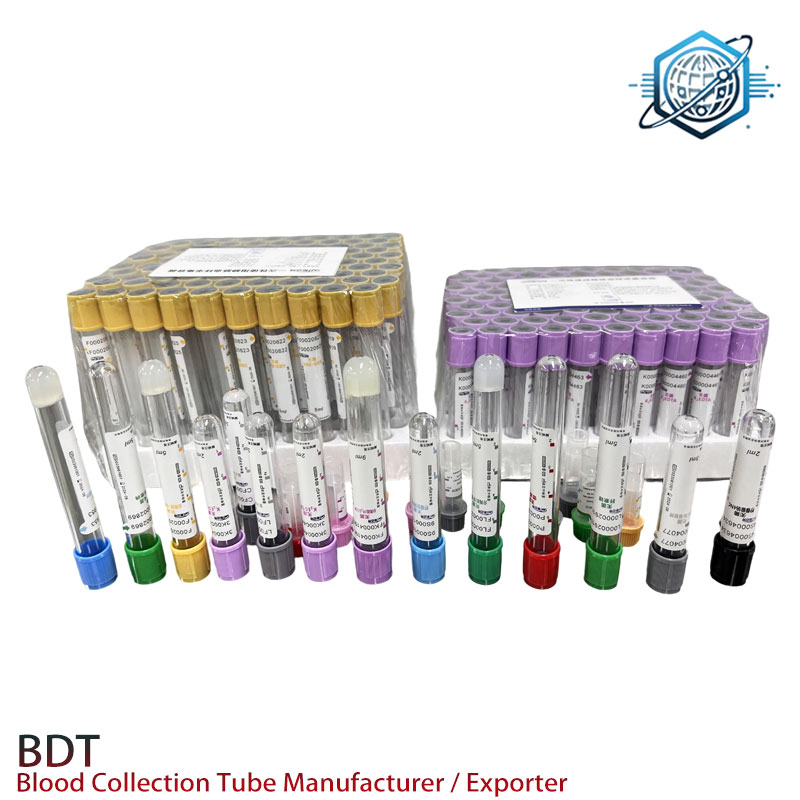
Recognizing that standard products may not always meet every unique requirement, we offer extensive customization capabilities for our capillary collection tubes. This flexibility is particularly valuable for specialized research protocols, niche clinical applications, or private-label branding initiatives.
- Variable Fill Volumes: We can manufacture tubes to specific fill volumes, ranging from ultra-low (e.g., 20 µL) to higher micro-volumes (e.g., 1000 µL), tailored to the sensitivity of analytical equipment or specific patient cohort needs.
- Custom Anticoagulant Formulations: While lithium heparin is standard, we can explore different heparin concentrations or alternative anticoagulants if a particular assay requires it, ensuring optimal sample matrix for specific tests.
- Specialized Materials & Coatings: Beyond standard glass or PET, we can explore other medical-grade polymers with unique barrier properties or surface treatments to prevent adsorption of certain analytes, based on client specifications.
- Color-Coding and Labeling: Custom color-coded caps or labels can be implemented to align with existing laboratory protocols or internal branding, improving workflow and reducing identification errors.
- Packaging Configurations: From bulk sterile packaging for high-volume users to individually pouched tubes for specific kits, we can design packaging solutions that enhance convenience and maintain sterility.
- Integrated Devices: Development of capillary tubes as components within larger diagnostic kits or integrated with specialized collection devices to streamline sampling procedures.
Our technical team works closely with clients from concept to delivery, ensuring that customized lithium heparin capillary tubes meet all performance and regulatory requirements.
Application Case Studies and Customer Experience
Our long-standing commitment to quality has translated into successful partnerships and tangible benefits for our clients across various healthcare sectors. The following case studies illustrate the impact of our advanced capillary collection tubes.
Case Study 1: Enhancing Pediatric Care in a Major Hospital Network
A large regional pediatric hospital network faced challenges with frequent redraws and increased patient distress during blood collection for neonates and infants. Traditional venous draws or suboptimal capillary tubes often led to inadequate sample volumes or hemolysis. After integrating our specialized plastic heparinized capillary tube (100 µL with lithium heparin), the network reported a 30% reduction in redraw rates for their smallest patients. Feedback from nurses highlighted the ease of collection and minimal patient discomfort, significantly improving the overall patient experience and operational efficiency in the neonatal intensive care unit (NICU).
Case Study 2: Improving Diagnostic Throughput for a Diabetes Clinic
A specialized diabetes clinic, operating with high patient volumes and a focus on rapid turnaround for glucose and HbA1c testing, sought a more efficient and patient-friendly blood collection method. They adopted our capillary collection tubes for their point-of-care testing stations. The clinic observed a 15% increase in patient throughput due to faster collection times and the ability for nursing staff to perform collections more independently. Moreover, the consistency of the heparin coating ensured reliable results, reducing discrepancies and enhancing patient trust in their diagnostic outcomes. The clinic praised the robust design and consistent quality, allowing them to handle a significant increase in patient visits while maintaining high standards of care.
Quality Assurance, Certifications, and Authoritativeness
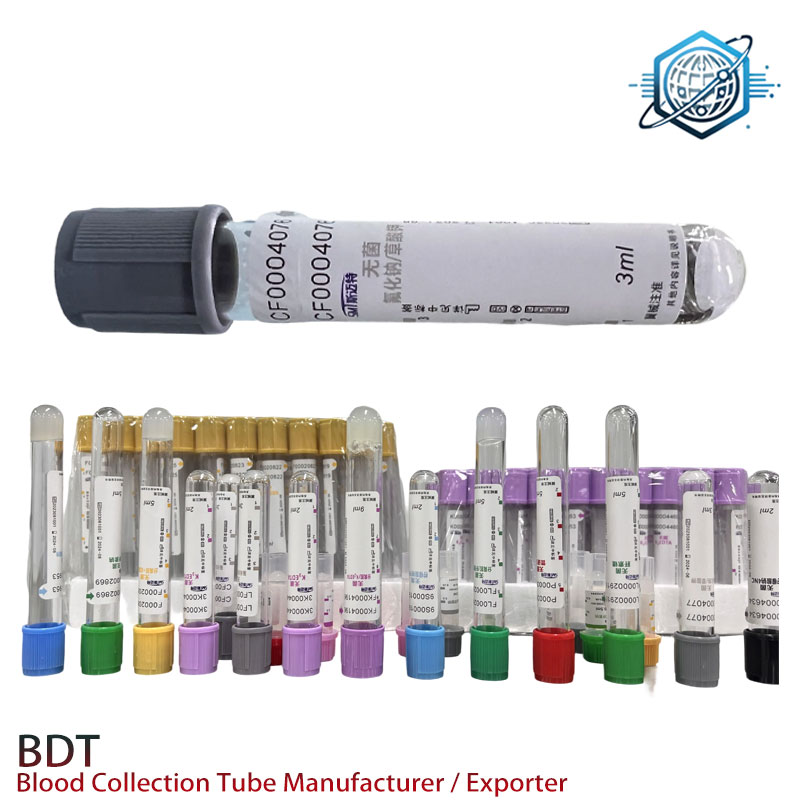
Our commitment to manufacturing superior capillary collection tubes is underpinned by stringent quality assurance protocols and adherence to global regulatory standards. We understand that product reliability directly impacts patient care and diagnostic accuracy.
- ISO 13485 Certification: Our manufacturing facilities operate under a certified ISO 13485 Quality Management System, specifically tailored for medical device production. This ensures consistent quality, traceability, and continuous improvement throughout the entire product lifecycle, from design to post-market surveillance.
- CE Marking: All our products conform to the essential health and safety requirements of European directives, carrying the CE mark, signifying their eligibility for sale within the European Economic Area.
- FDA Registration: Where applicable, our products are registered with the U.S. Food and Drug Administration (FDA), demonstrating compliance with U.S. medical device regulations and market readiness.
- Internal Quality Control: Beyond external certifications, we implement multi-stage internal QC checks, including raw material inspection, in-process monitoring, and final product testing. This includes visual inspection, dimensional verification, sterility testing, and functional assays (e.g., clotting time for heparinized tubes) to ensure every batch performs as expected.
- Partnerships and Industry Recognition: We serve a global network of hospitals, reference laboratories, and research institutions, building long-term relationships based on trust and product performance. Our reputation is built on years of delivering reliable blood collection solutions.
These certifications and practices underscore our dedication to providing authoritative, trustworthy, and expert-backed products for critical diagnostic needs.
Trustworthiness: FAQ, Lead Time, Warranty, and Support
Establishing trust with our B2B partners is paramount. We provide clear commitments regarding product quality, delivery, and ongoing support.
Frequently Asked Questions (FAQ)
- Q: What is the shelf life of your lithium heparin capillary tubes?
- A: Our tubes typically have a shelf life of 24-36 months from the date of manufacture, provided they are stored under recommended conditions.
- Q: Are these tubes sterile?
- A: Yes, all our capillary collection tubes are sterilized using validated methods (e.g., gamma irradiation or EO gas) and are certified sterile.
- Q: Can I get customized print on the tubes?
- A: Absolutely. We offer customization options for printing, color-coding, and specialized packaging to meet your specific branding or operational needs.
- Q: What is the recommended storage condition?
- A: Tubes should be stored at room temperature (15-30°C / 59-86°F) in their original packaging, away from direct sunlight and excessive humidity.
Lead Time and Fulfillment
Standard orders for our capillary collection tubes typically have a lead time of 4-6 weeks, depending on order volume and current production schedules. For customized orders, lead times will be confirmed upon finalization of specifications. We maintain robust supply chain management to ensure timely and efficient delivery worldwide.
Warranty Commitments
We stand behind the quality of our products. All heparinized capillary tube products are warranted against defects in material and workmanship for their stated shelf life, provided they are stored and used according to our instructions. Any product found to be non-conforming will be replaced or refunded, subject to our detailed warranty policy.
Comprehensive Customer Support
Our dedicated customer support team and technical specialists are available to assist with product selection, technical inquiries, order processing, and after-sales support. We are committed to providing prompt and knowledgeable assistance to ensure your complete satisfaction. Contact us via phone, email, or through our website for any assistance required.
Conclusion
The demand for reliable, high-performance capillary collection tubes continues to expand across diverse clinical and research settings. Our Heparin Lithium Capilllary Blood Collection Tubes are designed with precision engineering, advanced material science, and rigorous quality control to meet and exceed these evolving demands. By offering optimized anticoagulation, minimal hemolysis, and compatibility with modern diagnostic platforms, we provide solutions that enhance patient care, streamline workflows, and ensure the integrity of critical diagnostic samples. Partner with us for cutting-edge capillary blood collection technology that delivers consistent, trustworthy results.
References
- Clinical and Laboratory Standards Institute (CLSI). Procedures for the Collection of Diagnostic Blood Specimens by Venipuncture; Approved Standard—Seventh Edition. CLSI document GP41. Wayne, PA: Clinical and Laboratory Standards Institute; 2017.
- International Organization for Standardization (ISO). ISO 13485:2016 Medical devices — Quality management systems — Requirements for regulatory purposes.
- U.S. Food and Drug Administration (FDA). Medical Devices. Available from: https://www.fda.gov/medical-devices.
- Mayo Clinic Laboratories. Test Ordering. Available from: https://www.mayocliniclabs.com/test-ordering.
- World Health Organization (WHO). WHO guidelines on drawing blood: best practices in phlebotomy. Geneva: World Health Organization; 2010.
-
Ultimate Guide to Choosing a Rechargeable Heated Blanket for Winter
NewsApr.16,2026 -
Ultimate Guide to Choosing a Portable Battery Operated Blanket
NewsApr.09,2026 -
Discover the Comfort of a Full Size Electric Blanket for Cozy Warmth
NewsApr.07,2026 -
Experience Ultimate Comfort with a Portable Heated Blanket for All Your Adventures
NewsApr.04,2026 -
The Comprehensive Guide to Battery Powered Heated Blankets for Ultimate Warmth
NewsMar.31,2026 -
Discover the Comfort of a USB Heated Blanket for Warmth and Wellness
NewsMar.28,2026
Our Products
Contact Us
- Mob: +86 +8615081115902
- Email: bdttonyjiao@hotmail.com
- Whatspp:+86 15081115902
- Add:9-1-701 TonfuTown Shijiahzuang City Hebei Province China


