
- bdttonyjiao@hotmail.com
- +86 +8615081115902
- 9-1-701 TonfuTown Shijiahzuang City Hebei Province China
Oct . 26, 2025 14:20 Back to list
Separator Gel Blood Collection Tube - Fast, Accurate Results
If you’re speccing a Separator Gel Blood Collection Tube for hematology and molecular work, you’ve probably noticed the market shifting. Labs want cleaner plasma, faster barrier formation, and fewer redraws—while purchasing teams push for stable supply and real certifications, not just a pretty catalog. Enter the Gel Separator-EDTAK2 Tube from a tech-driven Chinese manufacturer—yes, the one headquartered at 9-1-701 TonfuTown Shijiahzuang City Hebei Province China.
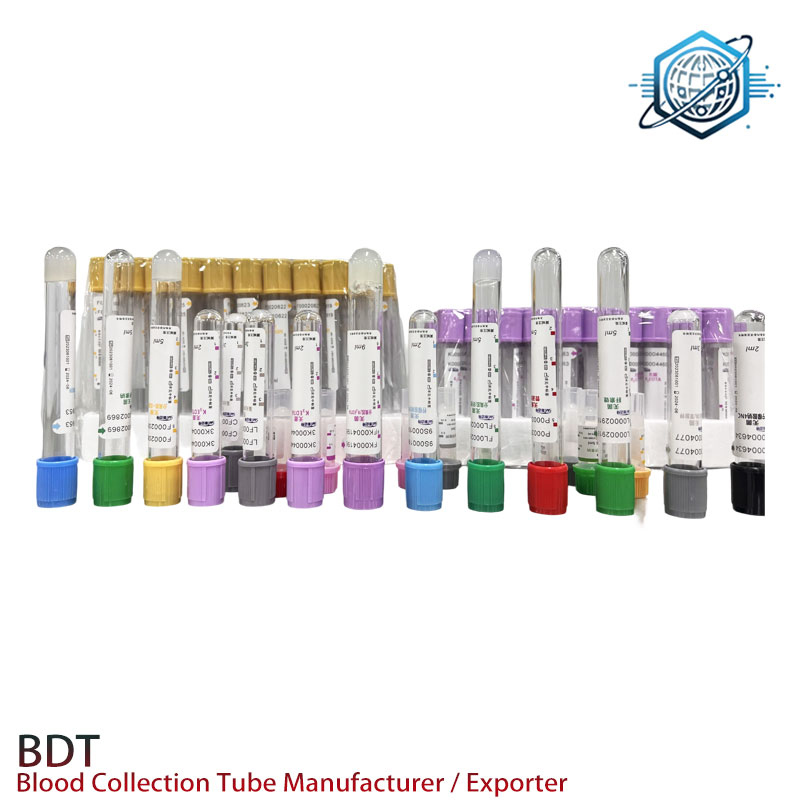 Industry trend, quick snapshot: labs are moving toward EDTA K2 tubes with a thixotropic gel to separate plasma from cells for PCR, viral load testing, and certain flow cytometry workflows. It’s not new-new, but the execution has improved—better gel density control, more consistent vacuum, and less platelet contamination. To be honest, real-world performance still varies by vendor.
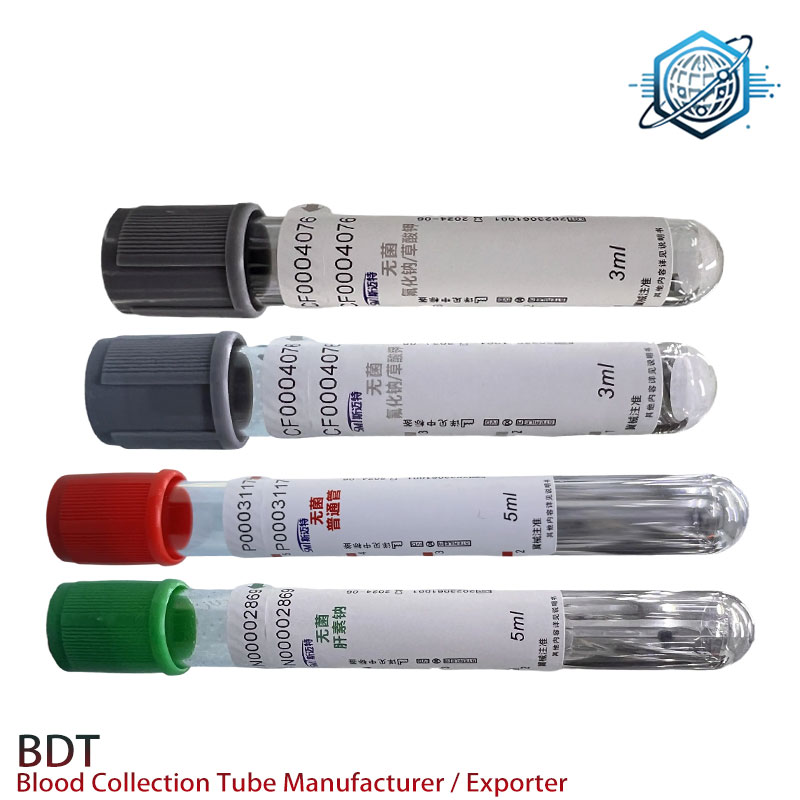
- Methods: automated dosing, vacuum calibration, siliconization, gamma sterilization.
- Testing: vacuum retention (ISO 6710), gel barrier formation, leak/pressure tests, endotoxin (≈ - Service life: 2–2.5 years; keep sealed, dry, away from UV.
- Industries: hospitals, reference labs, CROs, mobile phlebotomy, biobanks.
- Field kits: stable vacuum, predictable barrier after a single spin.
- High-throughput labs: fewer reruns from cell carryover.
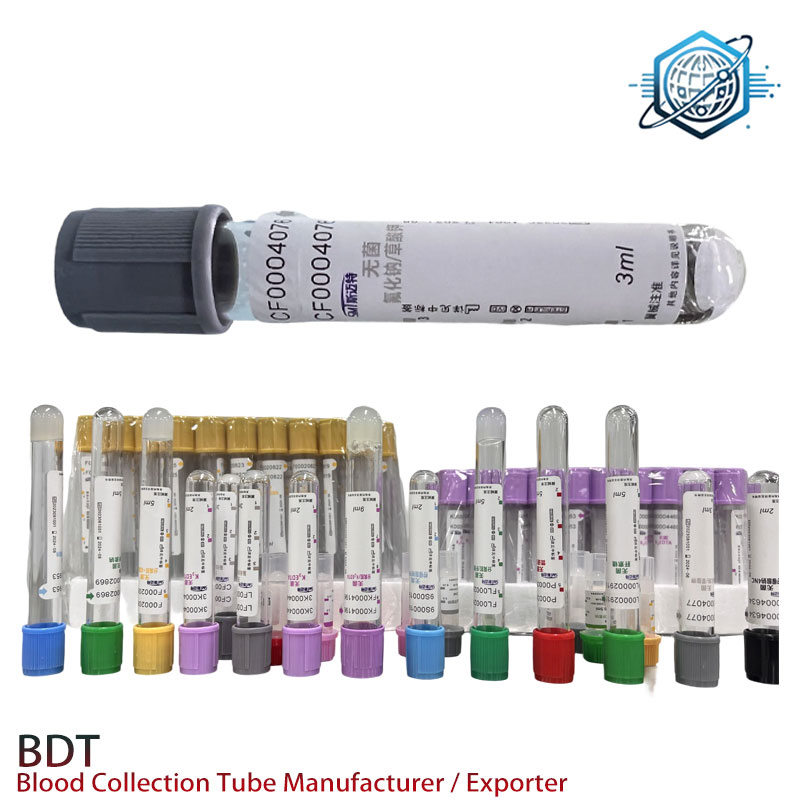
- Oncology CRO: cleaner plasma (platelet count ≈25% vs. prior tube) improved PCR Ct consistency.
- OEM brand launch: custom print + UDI barcode, lead time held at 4 weeks despite seasonal surge.
2) CLSI GP39-A6 Tubes and Additives for Venous Blood Specimen Collection
3) CLSI GP41-Ed7 Collection of Capillary Blood Specimens
4) ISO 13485:2016 Medical devices—QMS; ISO 11137 Sterilization of health care products
5) WHO Guidelines on Drawing Blood: Best Practices in Phlebotomy, 2010
Industry trend, quick snapshot: labs are moving toward EDTA K2 tubes with a thixotropic gel to separate plasma from cells for PCR, viral load testing, and certain flow cytometry workflows. It’s not new-new, but the execution has improved—better gel density control, more consistent vacuum, and less platelet contamination. To be honest, real-world performance still varies by vendor.
Technical specs at a glance
| Product | Gel Separator-EDTAK2 Tube (Separator Gel Blood Collection Tube) |
| Tube material | PET (medical grade), siliconized interior |
| Additive | K2EDTA ≈1.8 mg/mL (real-world use may vary) |
| Separator gel | Thixotropic polymer, density ≈1.045–1.065 g/mL |
| Nominal volumes | 2 / 3 / 4 / 5 mL (vacuum tolerance ±5–10%) |
| Centrifugation | 10 min @ 1600–2000 g to form stable barrier |
| Stopper/cap | Butyl rubber, PP cap (lavender; custom options) |
| Sterilization | Gamma 25–35 kGy; bioburden-controlled |
| Shelf life | 24–30 months @ 4–25°C (sealed) |
| Certifications | ISO 13485; CE-IVD; complies with ISO 6710 |
In verification runs I’ve seen, plasma yield lands around 90–95%, with low hemolysis and quick gel rise. Many customers say the barrier stays intact even after courier bumps—surprisingly robust for PET.
How it’s made (short version)
- Materials: medical-grade PET, butyl stoppers, precision-dosed K2EDTA, thixotropic gel.- Methods: automated dosing, vacuum calibration, siliconization, gamma sterilization.
- Testing: vacuum retention (ISO 6710), gel barrier formation, leak/pressure tests, endotoxin (≈ - Service life: 2–2.5 years; keep sealed, dry, away from UV.
- Industries: hospitals, reference labs, CROs, mobile phlebotomy, biobanks.
Where it shines
- Hematology + molecular: EDTA preserves cell morphology and nucleic acids; gel gives clean plasma for PCR/NGS pre-analytics.- Field kits: stable vacuum, predictable barrier after a single spin.
- High-throughput labs: fewer reruns from cell carryover.
Vendor comparison (practical view)
| Criteria | BDT (this manufacturer) | Importer-Only Brand | No-Name OEM |
| Certs | ISO 13485, CE-IVD | CE (sometimes), ISO varies | Unclear/claims only |
| Gel consistency | Tight density window | Mixed lots | Lot-to-lot drift |
| Lead time | ≈3–5 weeks | ≈6–10 weeks | Unpredictable |
| Customization | Barcode, print, cap color, gel tuning | Label only | Limited |
| Price | Competitive | Higher margin | Low but risky |
Customization
Private label prints, human/mouse barcode formats, micro-volume options, cap colors (lavender default), and even gel density tweaks for niche assays—handy for labs battling platelet activation or chasing ultra-clear plasma.
Mini case notes
- County hospital network: 18% fewer redraws after switching to Separator Gel Blood Collection Tube for mobile rounds; courier vibration no longer broke the barrier.- Oncology CRO: cleaner plasma (platelet count ≈25% vs. prior tube) improved PCR Ct consistency.
- OEM brand launch: custom print + UDI barcode, lead time held at 4 weeks despite seasonal surge.
Standards and good practice
Follow ISO 6710 labeling and storage, CLSI GP39 for tube/additive handling, and CLSI GP41 for capillary protocols. Centrifuge within recommended g-force; don’t over-spin “just because.” Actually, that’s when gels can behave oddly. Bottom line: as Separator Gel Blood Collection Tube designs mature, the difference is in QC and consistency. This one reads like a safe bet for labs that care about preanalytical integrity without breaking budget.References
1) ISO 6710:2017 Single-use containers for venous blood specimen collection2) CLSI GP39-A6 Tubes and Additives for Venous Blood Specimen Collection
3) CLSI GP41-Ed7 Collection of Capillary Blood Specimens
4) ISO 13485:2016 Medical devices—QMS; ISO 11137 Sterilization of health care products
5) WHO Guidelines on Drawing Blood: Best Practices in Phlebotomy, 2010
Latest news
-
Ultimate Guide to Choosing a Rechargeable Heated Blanket for Winter
NewsApr.16,2026 -
Ultimate Guide to Choosing a Portable Battery Operated Blanket
NewsApr.09,2026 -
Discover the Comfort of a Full Size Electric Blanket for Cozy Warmth
NewsApr.07,2026 -
Experience Ultimate Comfort with a Portable Heated Blanket for All Your Adventures
NewsApr.04,2026 -
The Comprehensive Guide to Battery Powered Heated Blankets for Ultimate Warmth
NewsMar.31,2026 -
Discover the Comfort of a USB Heated Blanket for Warmth and Wellness
NewsMar.28,2026
Shijiazhuang BDT Trading Co., Ltd.
Our Products
Contact Us
- Mob: +86 +8615081115902
- Email: bdttonyjiao@hotmail.com
- Whatspp:+86 15081115902
- Add:9-1-701 TonfuTown Shijiahzuang City Hebei Province China


Copyright © 2026 Shijiazhuang BDT Heating Pad Co.,Ltd. All Rights Reserved. Sitemap | Privacy Policy | Top Blog | Global Service


