Honestly, things are moving fast these days. Everyone’s talking about miniaturization, right? Everything needs to be smaller, lighter, more efficient. But on site, you quickly realize that “efficient” doesn’t always mean “practical”. I've seen so many designs that look great on paper, all fancy curves and tight tolerances, but fall apart the minute someone bumps into them.
It’s the little things, you know? Like cable management. People think it’s not a big deal. I encountered this at a factory in Dongguan last time; they’d crammed everything into a tiny enclosure, and the heat buildup was insane. The whole thing was practically melting. Strangely, because they’d spent a fortune on the processor.
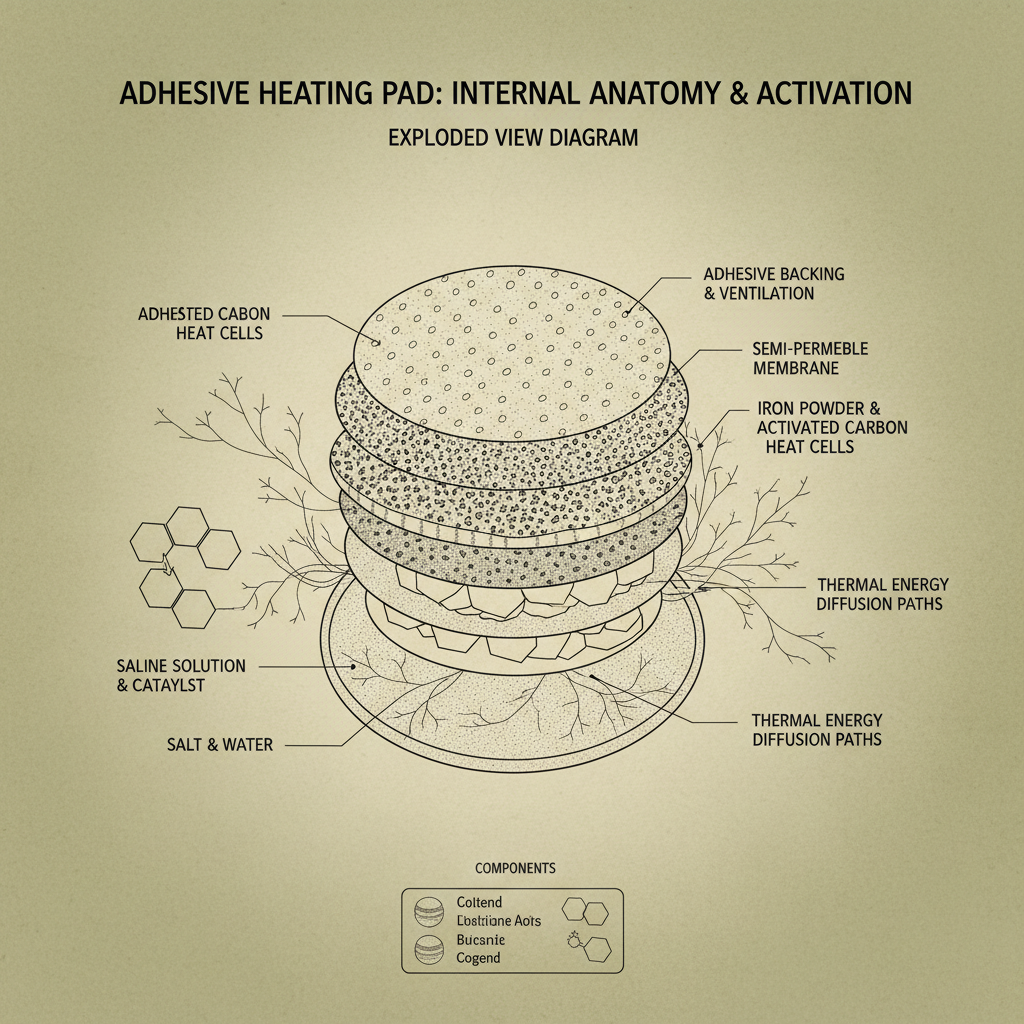
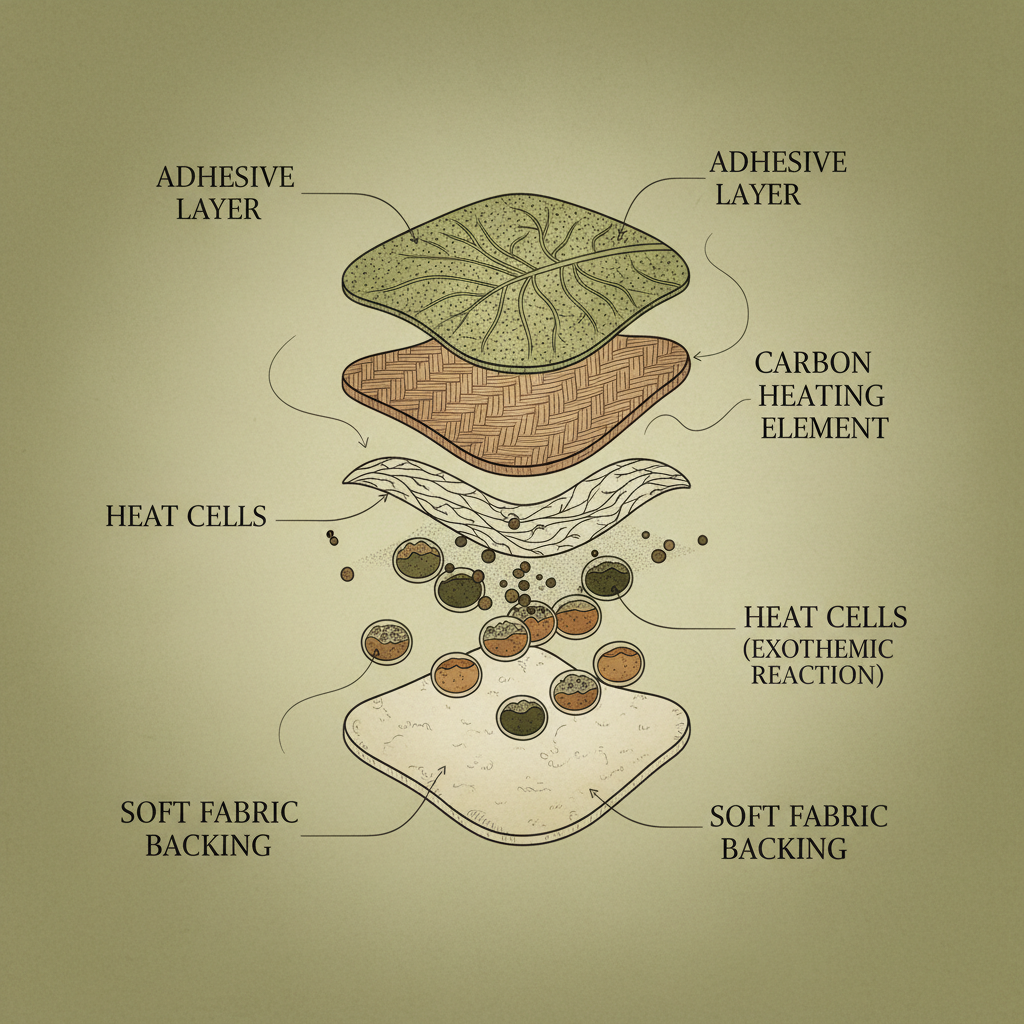
And then there's the whole adhesive heating pad market. It’s exploded, hasn’t it? Used to be, you’d just slap on a bulky ceramic heater. Now, it's all about thin films, flexible materials... It’s good, it is. But it’s also a minefield of potential problems.
The Current Landscape of Adhesive Heating Pads
To be honest, the demand is through the roof. Not just for industrial stuff—think medical, automotive, even consumer electronics. Everyone wants to warm something. And they want it done quietly, efficiently, and without taking up a ton of space. It's driving a lot of innovation in materials science. You're seeing more and more flexible polymers, advanced adhesives… stuff that just wasn't available five years ago.
The market's segmented, too. You've got your high-precision stuff for aerospace, which is ridiculously expensive and requires cleanroom manufacturing. Then you've got your more general-purpose pads for things like keeping pipes from freezing. It's a wide spectrum, and finding the right solution for a given application is… well, it’s a challenge. Anyway, I think understanding those different segments is key.
Common Design Pitfalls
Have you noticed how many designs completely ignore the environment they’re going into? I mean, a heating pad designed for a clean, dry lab is going to fail spectacularly if you stick it on a damp piece of machinery in a factory. Moisture ingress is a huge problem. So is vibration. These things shake loose, the adhesive fails… boom.
Another thing: thermal runaway. People get so focused on getting the heating pad hot, they forget about safety. You need proper temperature sensors, overcurrent protection, all that good stuff. It’s easy to cut corners, I know, but it’s a disaster waiting to happen. Later… Forget it, I won’t mention it.
And then there's the thickness. Too thick, and it doesn't conform properly. Too thin, and it's fragile. Finding that sweet spot is harder than it looks.
Material Matters: A Hands-On Perspective
Now, the materials themselves… that’s where things get interesting. You’ve got your standard silicone rubbers, which are pretty durable and resistant to a lot of stuff. But they can smell, especially when they heat up. Not a big deal in some applications, but a deal-breaker in others. Then you’ve got your fluoropolymers, which are expensive but can handle extreme temperatures and chemicals. They feel… slick, almost waxy, when you handle them.
The adhesives are crucial, of course. Acrylics are good for general purpose, but they don't hold up well in high-humidity environments. Epoxies are stronger, but they’re brittle. And then there are these new hybrid adhesives that claim to be the best of both worlds. I’ve been testing some of those lately. They’re… promising, but still need some work.
And you know what’s sneaky? The carrier film. It needs to be thermally conductive, mechanically strong, and compatible with the adhesive. A cheap carrier film can ruin an otherwise good heating pad.
Real-World Testing and Performance
Lab tests are fine, but they don’t tell the whole story. I prefer to see these things put through their paces in a real-world setting. Last year, we were testing a batch of heating pads for a pipeline project in Siberia. The temperatures were down to -40 Celsius, and the pads were exposed to snow, ice, and a whole lot of vibration.
That’s when you find out what’s what. The ones with the cheap adhesive failed almost immediately. The ones with the better adhesive held up, but the silicone rubber started to crack. The fluoropolymer pads? They were the only ones that survived without a scratch. It wasn't elegant, but it was informative.
Adhesive Heating Pad Performance Metrics
How Adhesive Heating Pads Are Actually Used
This is the part that always surprises the engineers. They design these things for a specific application, and then the users find a completely different way to use them. I saw one guy using a heating pad to keep his coffee warm while he was working outside. Another guy was using them to defrost his car windshield. You can’t predict that stuff.
Often, they’re used for temporary repairs. Like, a pipe bursts, and they slap a heating pad on it with some duct tape to keep it from freezing while they get a permanent fix in place. It's not ideal, but it works.
The Upsides and Downsides
The advantages are obvious: flexibility, lightweight, ease of installation. They're a game-changer for applications where space is limited. But they’re not perfect. They’re generally less efficient than traditional heaters, and they can be more expensive.
And the adhesive… that's always a potential point of failure. You need to choose the right adhesive for the application, and you need to make sure the surface is properly prepared. Otherwise, it’s just going to peel off. You've got to remember, these things aren’t magic. They’re just a tool, and like any tool, they have their limitations.
Another thing that bugs me: the power consumption. A lot of these pads draw a surprising amount of juice, especially the higher-wattage ones. You need to factor that into your power budget.
Customization Capabilities
Now, customization. That’s where we can really add value. We can change the shape, the size, the power output, the adhesive… you name it. Last month, that small boss in Shenzhen who makes smart home devices insisted on changing the interface to , and the result was a complete mess. He wanted it to be “modern,” but it just made the connector more fragile. It took us a week to convince him to go back to the original design.
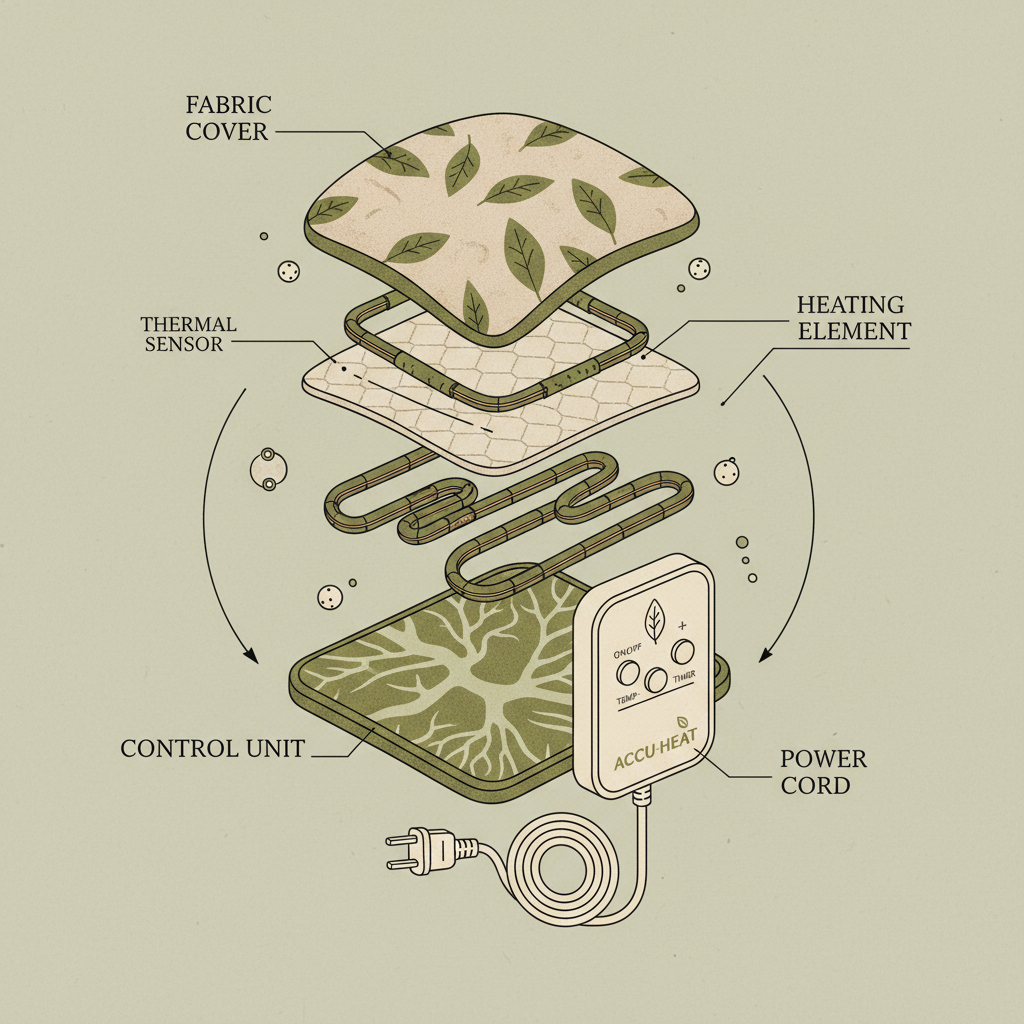
But seriously, we can do a lot. We can even embed sensors and control circuits directly into the heating pad. That's useful for applications where you need precise temperature control or remote monitoring.
The trick is to find a balance between cost and performance. You don’t want to over-engineer something that doesn’t need it, but you also don’t want to cut corners and end up with a product that fails.
Summary of Adhesive Heating Pad Customization Options
| Customization Parameter |
Complexity Level (1-5) |
Cost Impact (Low/Medium/High) |
Typical Application |
| Shape & Size |
1 |
Low |
Adapting to enclosure constraints |
| Power Output |
2 |
Medium |
Matching heat requirements of a system |
| Adhesive Type |
3 |
Medium |
Ensuring bond strength in specific environments |
| Embedded Sensors |
4 |
High |
Precise temperature monitoring & control |
| Integrated Control Circuitry |
5 |
High |
Autonomous temperature regulation |
| Surface Coating (e.g., Waterproofing) |
2 |
Low |
Protection against harsh environments |
FAQS
Honestly? Surface preparation. People think they can just slap it on. You need a clean, dry, and degreased surface for the adhesive to work properly. I’ve seen so many failures because someone skipped that step. A little isopropyl alcohol goes a long way, trust me. And don’t underestimate the pressure you apply—you need to ensure good contact across the whole surface.
That depends entirely on the application, the materials, and the environment. In a controlled environment, you might get five, ten years out of one. But on a construction site? Maybe six months. It really varies. We’ve seen them fail after a week due to extreme temperature swings and vibration. It all comes down to choosing the right materials and ensuring proper installation.
That’s a good question. They can be safe, but you need to use them properly. Overcurrent protection is crucial. Also, make sure the heating pad is not covered with anything flammable. We always recommend using a thermostat to prevent overheating. We test ours to meet relevant safety standards, but the end user needs to follow the instructions.
It's not usually recommended. Cutting can damage the heating elements and compromise the adhesive bond. If you absolutely have to, you need to be very careful and use a sharp blade. But honestly, it’s better to order a custom-sized pad from the start. It'll save you a lot of headaches.
Acrylics are good all-around, decent adhesion, okay temperature resistance. Epoxies are stronger, but brittle. Silicone adhesives are flexible and can handle high temperatures, but they're often expensive. The best choice depends on the specific application. Moisture, vibration, temperature extremes – all that matters. It’s not a one-size-fits-all situation.
We send them out to our customers and ask them to abuse them! Seriously. We get feedback from people using them in pipelines, factories, even aircraft. We look for failures, we measure temperature, we analyze the adhesive bond. It's messy, it's time-consuming, but it’s the only way to know if a product is going to hold up.
Conclusion
So, yeah, adhesive heating pads. They’re not a silver bullet, but they’re a valuable tool. They've come a long way in recent years, and the innovation is still happening. The key is understanding the limitations, choosing the right materials, and ensuring proper installation.
Ultimately, whether this thing works or not, the worker will know the moment he tightens the screw. If it holds, great. If it doesn’t? Well, then we go back to the drawing board. Visit our website to learn more: adhesive heating pads.