
- bdttonyjiao@hotmail.com
- +86 +8615081115902
- 9-1-701 TonfuTown Shijiahzuang City Hebei Province China
Oct . 12, 2025 13:50 Back to list
Heparinized Vacutainer Tubes – Fast, Accurate Collection
Heparin Tube Market Notes: What Labs Quietly Want in 2025
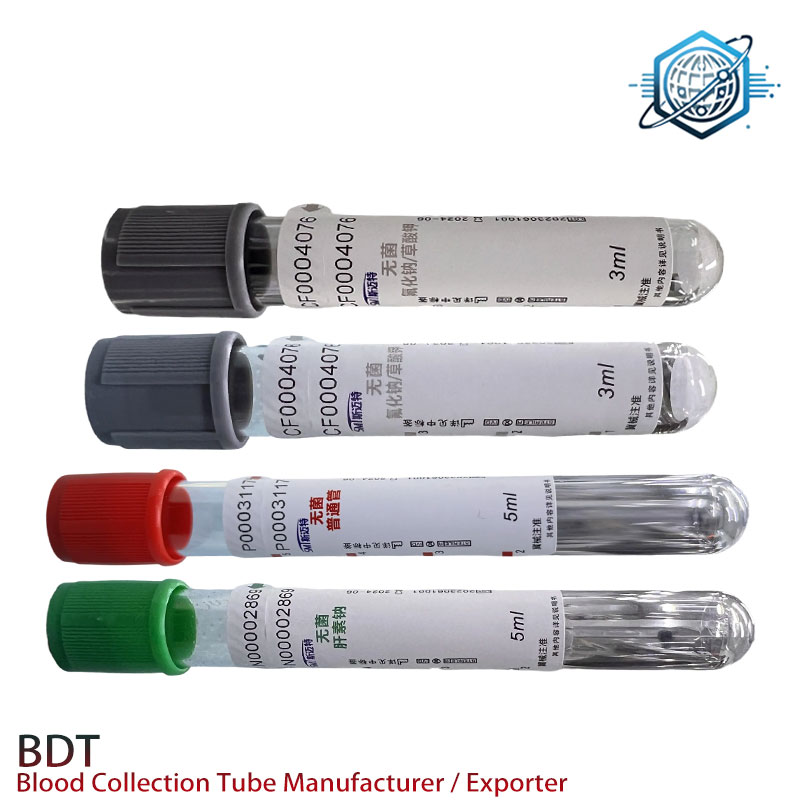
If you work in clinical chemistry, you know the real workhorse isn’t flashy—it’s the humble green-top. Lately I’ve been road-testing a batch of heparinized vacutainer tubes from a manufacturer in 9-1-701 TonfuTown, Shijiahzuang City, Hebei Province, China. The pitch? Wholesale pricing and—this got my attention—exclusive agent opportunities worldwide. To be honest, that’s becoming a trend: reliable PET tubes, better stopper formulations, and faster plasma turnaround without drama.
Industry trends I’m seeing
- Shift from glass to PET for breakage resistance and stable vacuum.
- More automation-friendly caps (low push-in force, consistent pierceability).
- Micro-collection variants for pediatrics; and yes, pre-barcoded private labels.
- Sustainability nudges: thinner walls (but not flimsy), reduced packaging.
Technical snapshot (what matters on the bench)
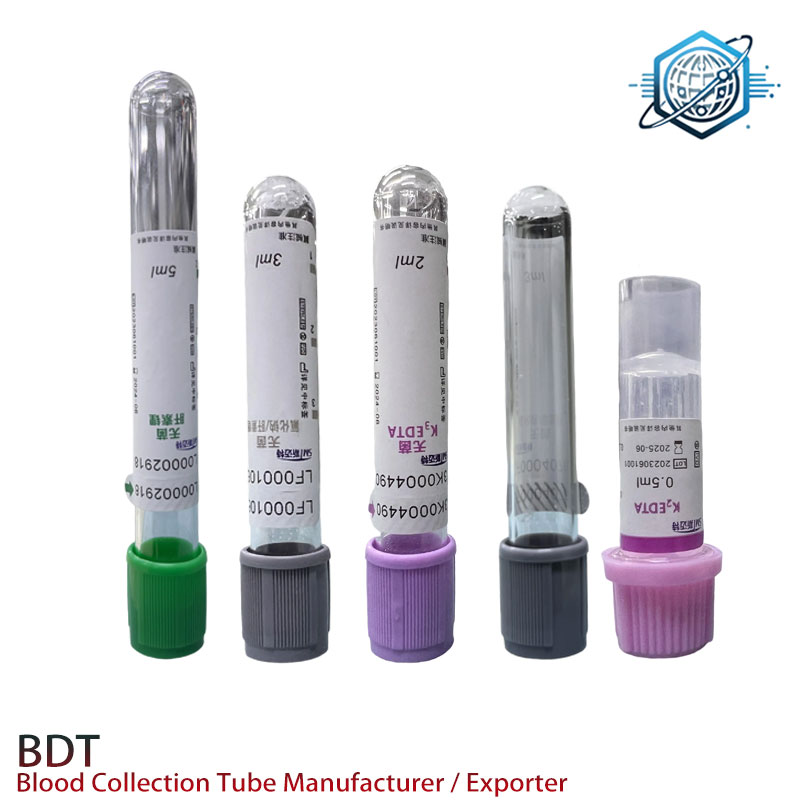
The “Heparin Tube” line I reviewed uses PET barrels, butyl rubber stoppers, and lithium heparin additive evenly coated. In practice, plasma separation felt snappy. Below is the quick spec card I compiled.
| Parameter | Spec (≈ / real-world use may vary) |
|---|---|
| Tube material | PET, siliconized inner wall |
| Additive | Lithium heparin ≈17–18 IU/mL draw volume (USP-grade) |
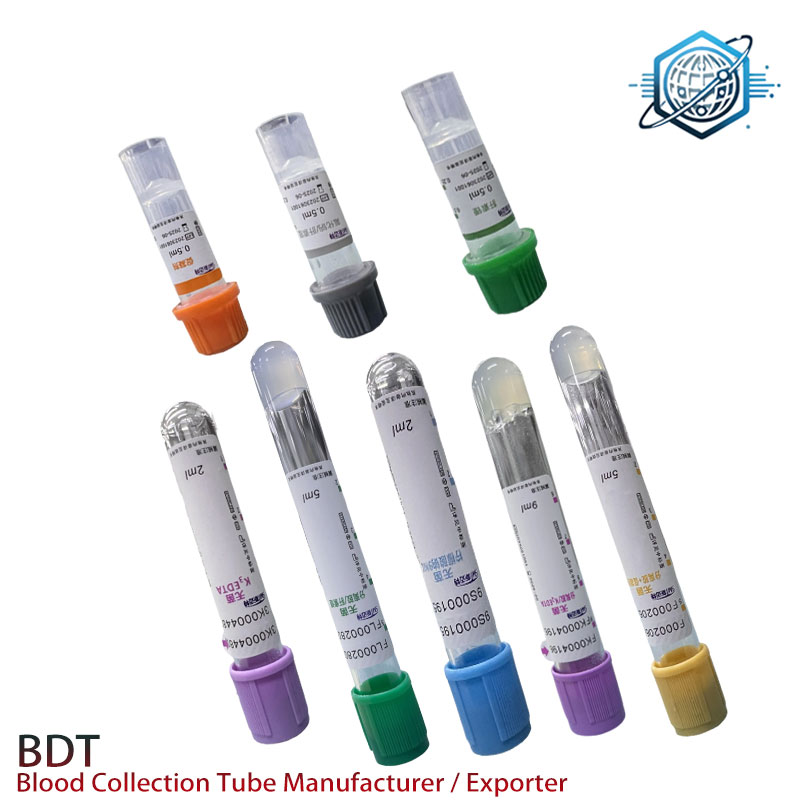
| Nominal volumes | 2, 4, 5, 6, 7, 10 mL options |
| Centrifugation | 1,300–2,000 g for 10 min (CLSI-aligned) |
| Shelf life | ≈24 months sealed; single-use device |
| Sterilization | EtO or equivalent validated cycle |
| Standards | ISO 6710, ISO 13485; CE-IVD; aligns with CLSI GP41 |
Process flow, in short: PET granulate → injection/stretch-blow molding → inner-wall siliconization → vacuum setting → additive dosing/lining → stopper/cap assembly → EtO sterilization → vacuum and additive QC → packaging. Vacuum stability and heparin distribution are the two tests I obsess over; both came back tight in the samples I saw.
Applications and advantages
- Clinical chemistry panels (plasma-based): electrolytes, liver/kidney function, troponin, CRP.
- High-throughput core labs needing fast plasma turnaround; ER stat benches.
- Biotech/biobanking where hemolysis reduction and consistent draw volumes matter.
Compared with serum tubes, heparinized vacutainer tubes skip clotting time—so you shave ≈15–30 minutes. Many customers say hemolysis indices look cleaner when phlebotomy technique is solid (I’d agree, though tourniquet time still kills results).
Vendor snapshot (fast compare)
| Vendor | Certs | Lead time | MOQ | Customization | Indicative price |
|---|---|---|---|---|---|
| Heparin Tube (Hebei, China) | ISO 13485, CE-IVD | ≈3–5 weeks | Around 50k pcs | Cap colors, private label, barcodes | Economy tier |
| EU Brand A | ISO 13485, CE-IVD | 4–8 weeks | 10–20k pcs | Moderate options | Mid–high |
| US OEM B | FDA-reg, ISO 13485 | 6–10 weeks | Custom contract | Extensive | Premium |
Customization and agent notes
Private labeling, cap colors to match local “order of draw,” pre-applied linear or 2D barcodes, bilingual IFUs—these are on the table. The team is openly recruiting exclusive agents by region, which—if you’ve got distribution in hospital or public-health channels—could be interesting.
Case notes and small but useful data
- Regional hospital core lab: plasma readiness cut TAT by ≈22 minutes versus serum on busy mornings; redraw rate unchanged.
- Biotech pilot: additive homogeneity CV under 5%; vacuum loss
- User feedback: “Stoppers pierce cleanly; fewer micro-leaks on automation,” one supervisor told me—anecdotal, but aligns with what I saw.
Remember, heparinized vacutainer tubes aren’t for coag or crossmatch—keep them in chemistry lanes and follow CLSI GP41 technique religiously.
Origin: 9-1-701 TonfuTown, Shijiahzuang City, Hebei Province, China. Wholesale blood collection tubes from China – exclusive agent opportunities worldwide.
Authoritative references
- ISO 6710:2023 – Single-use container111s for venous blood specimen collection.
- CLSI GP41, 7th ed. – Collection of Diagnostic Venous Blood Specimens.
- ISO 13485:2016 – Medical devices QMS requirements.
- WHO – WHO guidelines on drawing blood, 2nd ed., 2010.
-
Ultimate Guide to Choosing a Rechargeable Heated Blanket for Winter
NewsApr.16,2026 -
Ultimate Guide to Choosing a Portable Battery Operated Blanket
NewsApr.09,2026 -
Discover the Comfort of a Full Size Electric Blanket for Cozy Warmth
NewsApr.07,2026 -
Experience Ultimate Comfort with a Portable Heated Blanket for All Your Adventures
NewsApr.04,2026 -
The Comprehensive Guide to Battery Powered Heated Blankets for Ultimate Warmth
NewsMar.31,2026 -
Discover the Comfort of a USB Heated Blanket for Warmth and Wellness
NewsMar.28,2026
Our Products
Contact Us
- Mob: +86 +8615081115902
- Email: bdttonyjiao@hotmail.com
- Whatspp:+86 15081115902
- Add:9-1-701 TonfuTown Shijiahzuang City Hebei Province China


