
- bdttonyjiao@hotmail.com
- +86 +8615081115902
- 9-1-701 TonfuTown Shijiahzuang City Hebei Province China
Oct . 06, 2025 00:35 Back to list
Best K3 EDTA tube price—sterile, precise, bulk deals?
K3 EDTA Tube Pricing: What Labs Actually Pay, Why It Varies, and How to Buy Smart
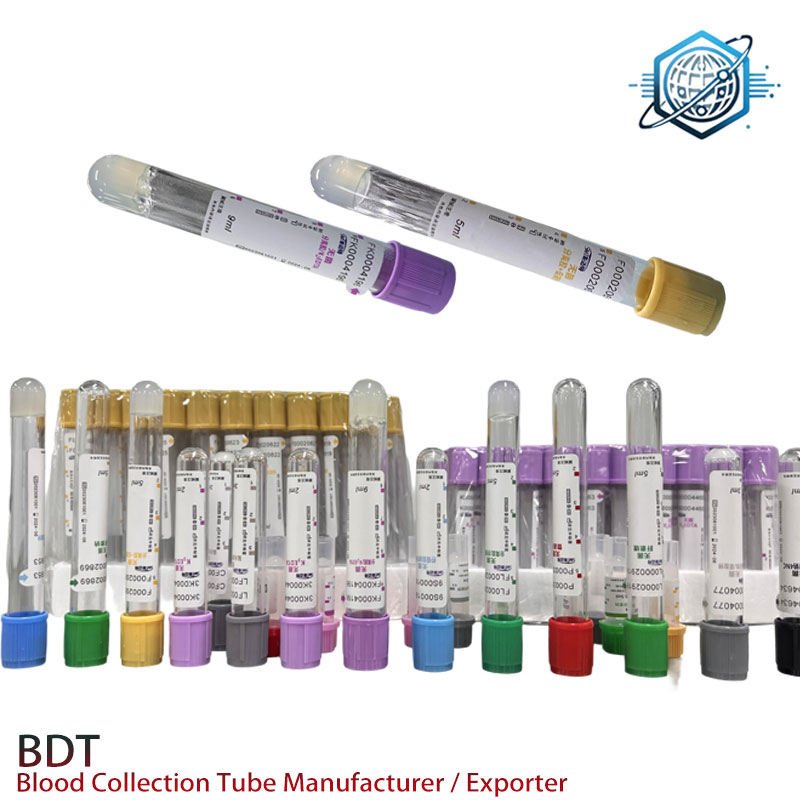
I get asked about k3 edta tube price almost every month by procurement managers and startup diagnostics founders. Prices move—quietly—but the underlying drivers are surprisingly consistent: resin, additive quality, vacuum accuracy, and certification. Today I’m looking at EDTAK3 tubes from a China-based manufacturer (Origin: 9-1-701 TonfuTown Shijiahzuang City Hebei Province China) that positions itself as “China Leading Venous & Capillary Blood Collection Tube Manufacturer. Global Importers Wanted.”
Industry trends (short version)
- Shift to PET over glass for break-resistance and better automation compatibility.
- K3 EDTA remains standard for hematology; some labs prefer K2 for slightly different MCV, but most analyzers validate both.
- OEM labeling and regional warehousing to tame freight volatility.
Technical specs that matter
The EDTAK3 chemistry (tripotassium EDTA) is spray-dried onto the tube interior. You want uniform dosing (≈1.5–2.2 mg/mL whole blood target, real-world use may vary with analyzer). Vacuum accuracy keeps fill volume consistent; poor vacuum means skewed hematocrit and flags you don’t want.
| Parameter | EDTAK3 Typical Spec |
|---|---|
| Tube sizes | 13×75 mm, 13×100 mm |
| Draw volumes | 2–6 mL (±10% vacuum accuracy) |
| Material | PET tube, latex-free butyl stopper, PP cap (lavender) |
| Additive dosage | K3 EDTA ≈1.5–2.2 mg/mL whole blood |
| Shelf life | 18–24 months, vacuum retention ≥90% at expiry |
| Standards (typical) | ISO 6710; CLSI GP41; ISO 13485 QMS; CE-mark where applicable |
Process flow (how these tubes are made)
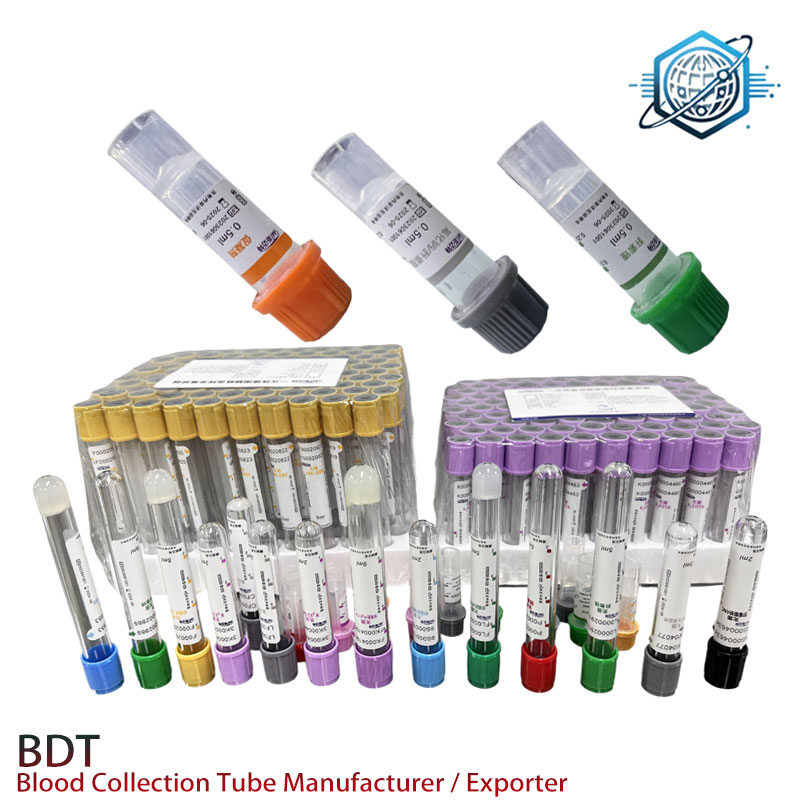
- Materials: PET preforms, medical-grade butyl stoppers, K3 EDTA reagent (pharma grade).
- Methods: Interior surface treatment → spray-dry EDTA → vacuum calibration → cap assembly.
- Testing: Additive uniformity (target CV <5%), vacuum check, stopper puncture force, hemolysis index, particle count (cleanroom ISO 8).
- Packaging: EO or gamma-irradiated packaging where required; lot traceability.
- Service life: 18–24 months at 4–25°C, away from UV.
Applications and notes from the field
- Hematology CBC, differentials, HbA1c, blood film prep; not for coagulation (use citrate) or chem panels (serum/gel).
- Many customers say K3 gives crisp WBC scatter, but may slightly reduce MCV vs K2—your analyzer’s calibration wins.
What does a fair k3 edta tube price look like?
In 2025, OEM PET K3 EDTA tubes typically land around $0.025–$0.06 per piece at scale. Local distributors hover higher. Premium global brands still command a markup (sometimes worth it for logistics and validations). To be honest, freight and resin swing quotes ±10% without much warning.
| Vendor Type | Indicative Price | MOQ / Lead Time | Cert/Notes |
|---|---|---|---|
| OEM China (EDTAK3) | $0.025–$0.06 | 50k–200k; 2–5 weeks | ISO 13485; CE in many markets |
| Local Distributor | $0.05–$0.09 | Flexible stock | Fast delivery; mixed brands |
| Premium Global Brand | $0.08–$0.15 | Contracted; 3–6 weeks | Extensive IFUs and analyzer cross-refs |
Customization and procurement tips
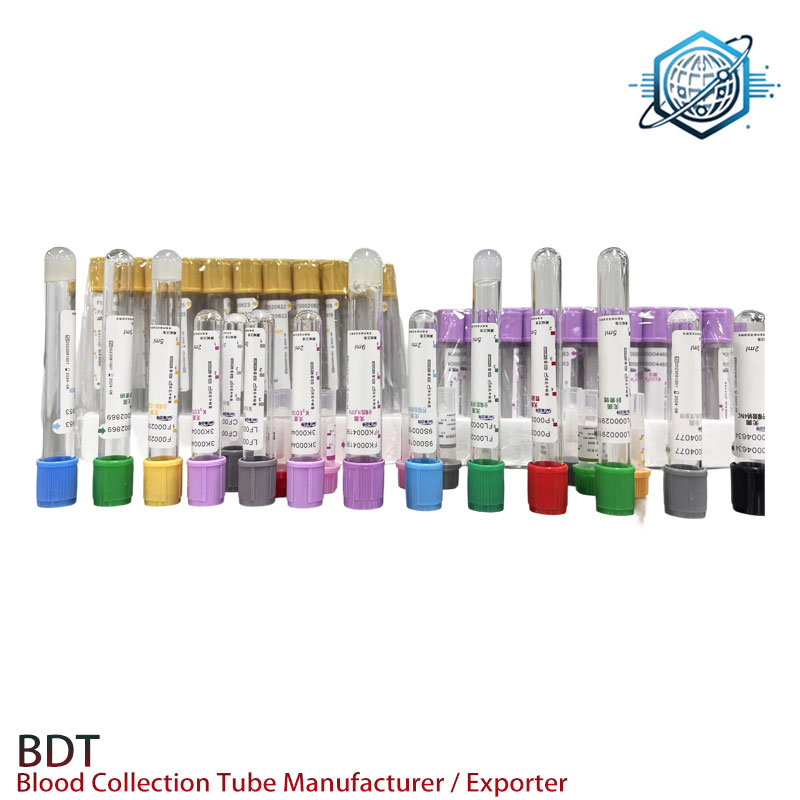
- OEM labels, bilingual IFU, barcode formats (Code 128/ITF-14), and cap colors by region.
- Request test data: vacuum drift, additive CV, hemolysis index, and analyzer comparability (n≥60 samples).
- Negotiate buffer stock near port to stabilize your k3 edta tube price over the quarter.
Mini case study
A mid-sized Middle East lab switched to EDTAK3 OEM to cut consumables by 22%. They validated 120 paired samples on Sysmex and Beckman analyzers—no clinically relevant deltas; platelet clumping rate stayed <0.5%. Lead time improved after vendor held 1-month buffer stock. It seems that steady forecasting helped keep their k3 edta tube price flat despite resin blips.
Compliance and references
Check that your supplier operates under ISO 13485 QMS, aligns with ISO 6710 design requirements, and follows CLSI GP41 for venipuncture. For hematology, ICSH guidance on EDTA anticoagulants is the north star.
Authoritative citations:
- CLSI GP41—Collection of Diagnostic Venous Blood Specimens, 7th ed.
- ISO 6710:2017—Single-use container111s for venous blood specimen collection.
- ICSH Recommendations for EDTA anticoagulants in blood cell counting.
- WHO—WHO guidelines on drawing blood: best practices in phlebotomy.
-
Ultimate Guide to Choosing a Rechargeable Heated Blanket for Winter
NewsApr.16,2026 -
Ultimate Guide to Choosing a Portable Battery Operated Blanket
NewsApr.09,2026 -
Discover the Comfort of a Full Size Electric Blanket for Cozy Warmth
NewsApr.07,2026 -
Experience Ultimate Comfort with a Portable Heated Blanket for All Your Adventures
NewsApr.04,2026 -
The Comprehensive Guide to Battery Powered Heated Blankets for Ultimate Warmth
NewsMar.31,2026 -
Discover the Comfort of a USB Heated Blanket for Warmth and Wellness
NewsMar.28,2026
Our Products
Contact Us
- Mob: +86 +8615081115902
- Email: bdttonyjiao@hotmail.com
- Whatspp:+86 15081115902
- Add:9-1-701 TonfuTown Shijiahzuang City Hebei Province China


