
- bdttonyjiao@hotmail.com
- +86 +8615081115902
- 9-1-701 TonfuTown Shijiahzuang City Hebei Province China
Oct . 08, 2025 22:45 Back to list
Clot Activator Blood Collection Tube: Faster Cleaner Serum?
Gel + Clot Activator: A Field Note From the Lab Bench
If you’ve worked a morning shift in phlebotomy, you already know the drill. The first thing I reach for when serum is on the test menu is the clot activator blood collection tube. It sounds simple—silica to accelerate clotting, a thixotropic gel to create a tidy barrier—but the details make or break your analytes. Actually, the industry has nudged this category forward in quiet, practical ways: better gel performance, tighter vacuums, cleaner stoppers. Small things, big impact.
What it is, and why it matters
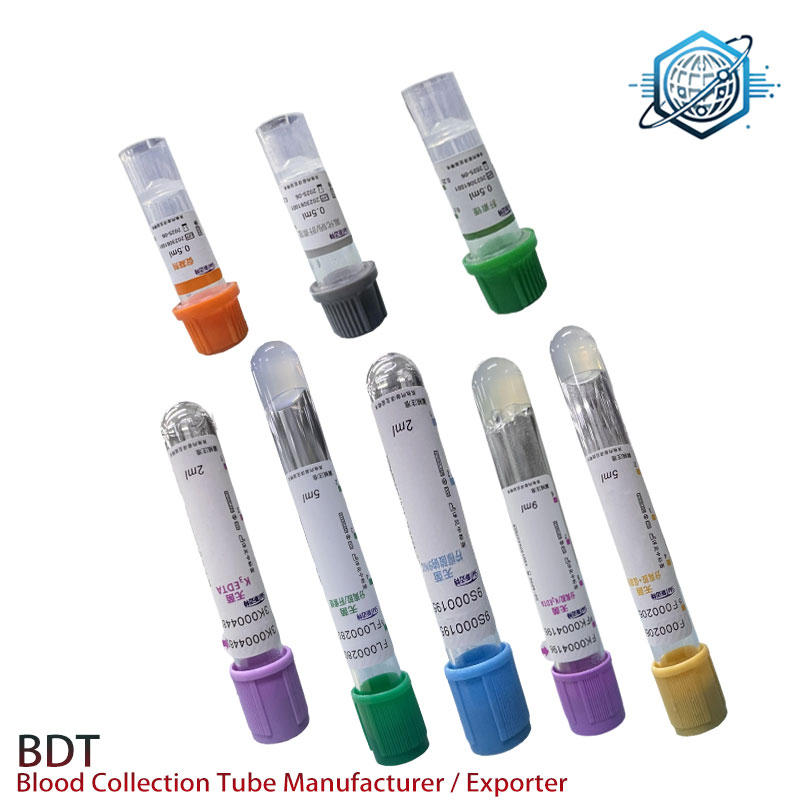
A clot activator blood collection tube is typically PET or glass, internally coated with micronized silica to speed clot formation (≈15–30 minutes), plus a serum-separator gel with density around 1.04–1.06 g/mL. After inversion (usually 5–8 times), you let it clot, then centrifuge (≈10 minutes at 1300–2000 × g). The gel forms a stable barrier—clean serum up top, cells below. Hemolysis drops, reruns go down. To be honest, that’s what frontline teams care about.
Product snapshot (Gel + Clot Activator)
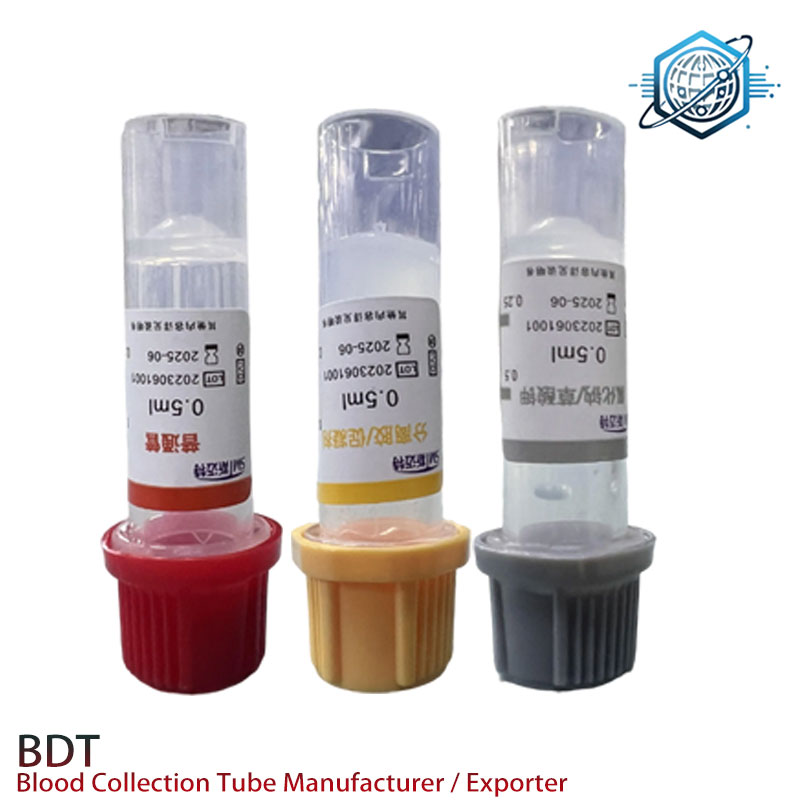
Origin: 9-1-701 TonfuTown Shijiahzuang City Hebei Province China. We are venous and capillary tube manufacturer–exporter. Importer / Sole Agent cooperation wanted. Many customers say the recent lots show steadier gel barriers during transport—less remixing after courier bumps, surprisingly.
| Parameter | Spec (≈ real-world) |
|---|---|
| Material | PET or glass, but PET dominates (impact-resistant, lighter) |
| Additive | Micronized silica clot activator + thixotropic gel |
| Volumes | 2, 3.5, 5, 7, 10 mL options |
| Clot time | ≈15–30 min at 20–25°C (depends on patient factors) |
| Centrifugation | 10 min at 1300–2000 × g; verify gel barrier integrity |
| Shelf life | 18–24 months at 4–25°C, dry and dark |
| Certs (typical) | ISO 13485 QMS; CE-MDR; ISO 6710 compliance |
Process flow and QC (short version)
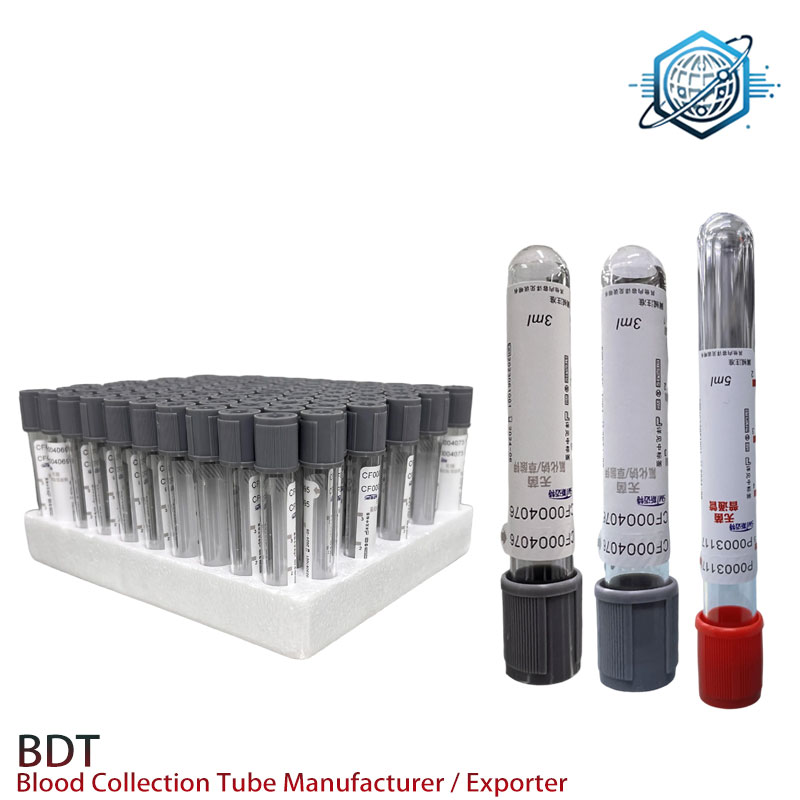
Materials prep → tube molding → internal silica coating → gel dispensing → vacuum calibration → butyl stopper & cap → sterile processing (gamma/EO) → QC: vacuum retention, additive dose uniformity, gel barrier integrity after centrifuge and 48 h transport simulation, closure integrity, leachables testing. Service life testing monitors vacuum loss, clot time drift, and gel migration. Methods are aligned with ISO 6710 and routine CLSI guidance.
Where it shines
- Core chemistry panels, serology, immunoassays
- Reference labs handling long-haul specimens (gel barrier stability)
- Pharma/CRO kits—standardized inversions and clot times
- Veterinary diagnostics; outpatient draws with courier routes
Vendor landscape (quick take)
| Vendor | Strengths | Notes |
|---|---|---|
| B.D.T (Gel + Clot Activator) | Value pricing, customization, importer/agent model | Hebei origin; OEM/ODM; flexible MOQs |
| BD Vacutainer | Global availability, robust documentation | Premium pricing |
| Greiner Bio-One | Consistent gel; strong accessories portfolio | Lead times may vary |
Customization and real-world feedback
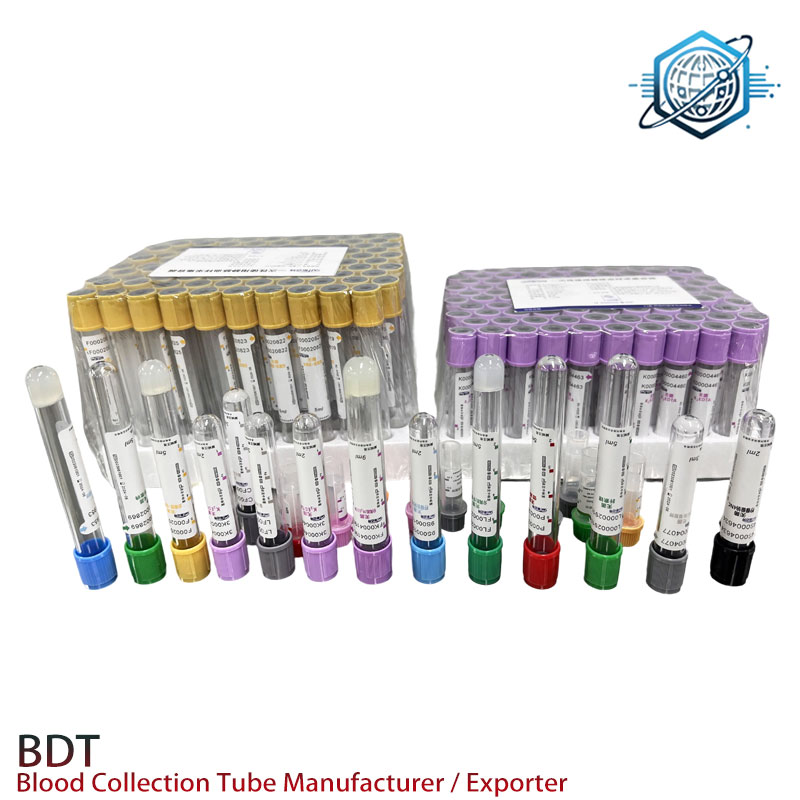
Options include private labeling, color-coded closures, special volumes, gel density tweaks for high-altitude routes, and capillary formats to match neonatal protocols. In fact, one regional lab reported ≈18% lower hemolysis index flags after switching to a clot activator blood collection tube with a slightly softer stopper—needle-out turbulence went down. Another hospital shaved 6 minutes off TAT by standardizing clot time checks and a 1700 × g spin across analyzers.
How to use (the quick checklist)
- Order of draw followed; fill to mark for proper vacuum.
- Invert 5–8 times gently. Let clot fully (don’t rush).
- Spin per lab SOP; verify intact gel barrier before shipping.
- Store upright; avoid >25°C for prolonged periods.
Bottom line: a dependable clot activator blood collection tube is a quiet hero of serum chemistry. Choose on performance data, not just the cap color.
References
- ISO 6710:2017 — Single-use container111s for venous blood specimen collection.
- CLSI GP41—Collection of Diagnostic Venous Blood Specimens, current edition.
- CLSI GP42—Collection of Capillary Blood Specimens, current edition.
- ISO 13485:2016 — Medical devices Quality Management Systems.
- WHO Guidelines on Drawing Blood: Best Practices in Phlebotomy.
-
Ultimate Guide to Choosing a Rechargeable Heated Blanket for Winter
NewsApr.16,2026 -
Ultimate Guide to Choosing a Portable Battery Operated Blanket
NewsApr.09,2026 -
Discover the Comfort of a Full Size Electric Blanket for Cozy Warmth
NewsApr.07,2026 -
Experience Ultimate Comfort with a Portable Heated Blanket for All Your Adventures
NewsApr.04,2026 -
The Comprehensive Guide to Battery Powered Heated Blankets for Ultimate Warmth
NewsMar.31,2026 -
Discover the Comfort of a USB Heated Blanket for Warmth and Wellness
NewsMar.28,2026
Our Products
Contact Us
- Mob: +86 +8615081115902
- Email: bdttonyjiao@hotmail.com
- Whatspp:+86 15081115902
- Add:9-1-701 TonfuTown Shijiahzuang City Hebei Province China


