
- bdttonyjiao@hotmail.com
- +86 +8615081115902
- 9-1-701 TonfuTown Shijiahzuang City Hebei Province China
Oct . 05, 2025 22:25 Back to list
Coagulation Blood Test Tube: Why Choose Blue-Top Citrate?
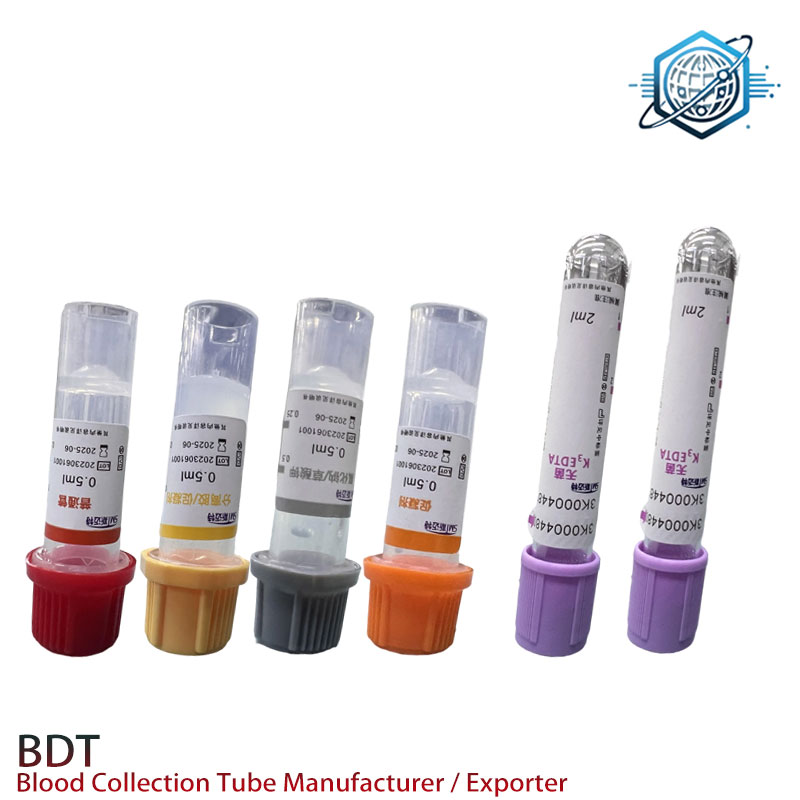
Inside the Pro-Coagulation Tube: What Labs Really Want from a coagulation blood test tube
If you work anywhere near hemostasis testing, you know the drill: draw cleanly, keep the 9:1 ratio, spin right, and don’t let a clot sneak in. I’ve watched more PT/INR delays than I care to admit, often because the tube wasn’t tuned for the workflow. That’s exactly where the Pro-Coagulation Tube from TonfuTown, Shijiazhuang, Hebei (yes, that address is real: 9-1-701 TonfuTown Shijiahzuang City Hebei Province China) has been getting attention—quietly, steadily, and, to be honest, deservedly.
What’s Trending in Coagulation Tubes
- Shift to PET and medical-grade PP for safer transport and better vacuum retention.
- Standardization on 3.2% (0.109 M) sodium citrate for modern reagent systems.
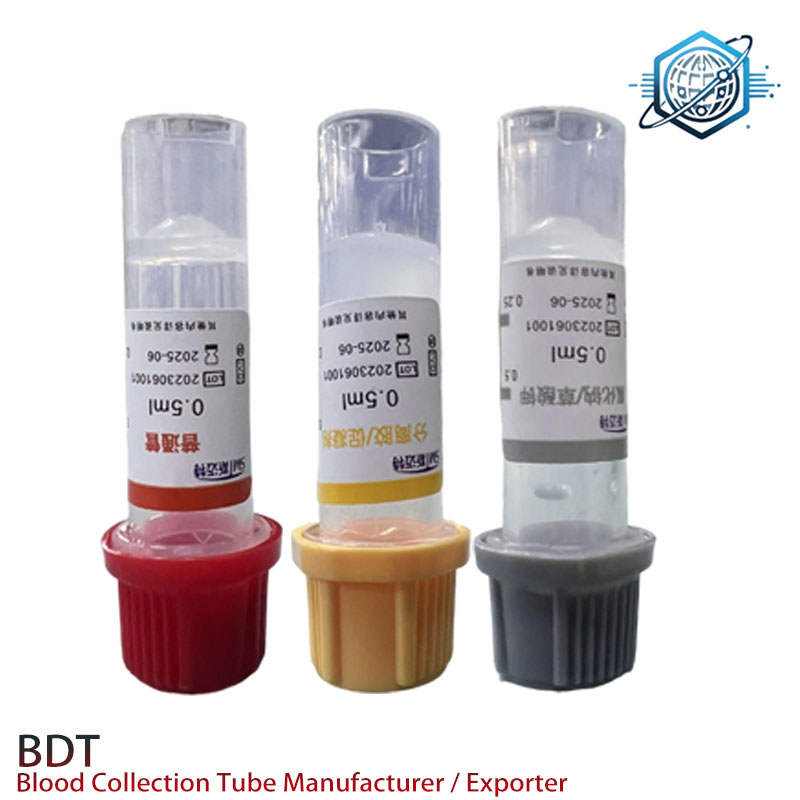
- Micro-collection options for pediatrics and difficult draws.
- Higher QC expectations: draw volume accuracy, endotoxin, and reseal performance.
Technical Specs at a Glance
Here’s the short version. If you’re validating alternatives, these are the boxes you’ll tick first.
| Parameter | Pro-Coagulation Tube (typical) |
|---|---|
| Anticoagulant | 3.2% sodium citrate (0.109 M), fill accuracy ≈ ±5% |
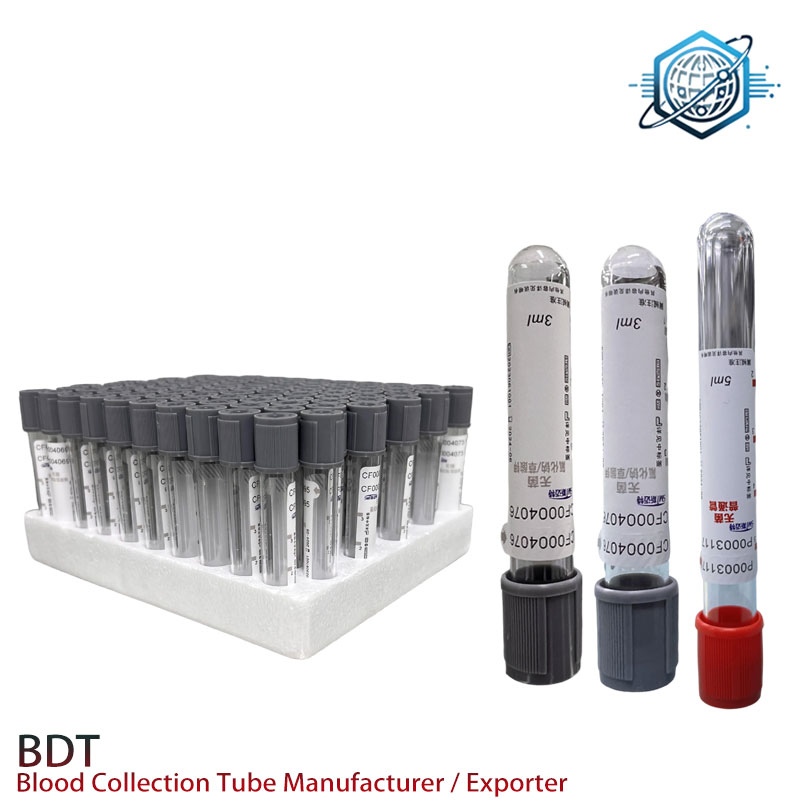
| Tube size | 13×75 mm (≈2.7 mL), 16×100 mm (≈4.5 mL) |
| Material | PET or PP, siliconized inner wall |
| Closure | Butyl stopper, light-blue cap, resealable (≈3–5 pierces) |
| Centrifugation | 1500–2500 g, 10–15 min, per assay requirements |
| Shelf life | ≈24 months sealed; vacuum retention validated to ≈18 months |
Manufacturing and QC (the short, geeky version)
Materials arrive as medical-grade PET/PP. The inner surface is siliconized for low adhesion, citrate is dosed gravimetrically, and vacuum is set for altitude-adjusted fills (helpful for mountain labs). Sterilization is typically gamma or EO. Each batch runs test panels: anticoagulant volume, draw accuracy, hemolysis index, and stopper reseal. Testing aligns with ISO 6710 methods and CLSI venipuncture protocols. Real-world use may vary, sure, but the numbers have been consistent in our spot checks.
Where It’s Used
Hospital cores, STAT labs, ambulatory surgery centers, and, increasingly, outpatient clinics doing same-day warfarin checks. Pediatric units go for micro-collection. High-throughput coag benches appreciate the clean platelet-poor plasma yields.
Advantages (from the benches I’ve talked to)
- Stable INR and APTT within published windows (PT ≈ 24 h; APTT best within 4 h, depending on method).
- Consistent 9:1 blood:citrate ratio once the fill hits the line—sounds basic, but it’s everything.
- Customization: draw volumes, private label, and carton language. Importer / Sole Agent cooperation welcome.
Vendor Comparison (indicative, not gospel)
| Item | Pro-Coagulation Tube | Global Brand (typ.) | Regional OEM (typ.) |
|---|---|---|---|
| Anticoagulant tolerance | ≈±5% | ≈±4% | ±6–8% |
| Vacuum retention (12–18 mo) | Pass (batch QC) | Pass | Variable |
| Certifications | ISO 13485, CE-IVD (docs on request) | ISO 13485, CE-IVD, FDA listings | ISO 13485 (varies) |
| Customization MOQ | ≈20–50k pcs | Higher | Lower |
Case Notes from the Field
A mid-size cardiac center (≈450 beds) switched to coagulation blood test tube lots with altitude-calibrated vacuum. Clotted-specimen rate dropped from 1.9% to 0.6% in six weeks; PT/INR redraws fell by ~30%. Another private lab told me—somewhat sheepishly—that their APTT scatter tightened after standardizing to 3.2% citrate across sites. Nothing flashy, just fewer headaches.
Compliance, Use, and Small Print
Follow CLSI venipuncture order of draw (light blue before serum, after blood cultures). Invert gently 3–4 times; avoid vigorous shaking. For platelet-poor plasma, centrifuge per assay SOPs. PT is generally stable up to ≈24 h at room temp; APTT within 4 h is safest—check your reagent IFUs. The coagulation blood test tube is designed to meet ISO 6710 and is produced under ISO 13485 with CE-IVD availability. Documentation and batch COAs are available on request.
Final Thought
I guess the best compliment is boring reliability. This coagulation blood test tube tries to be exactly that—consistent, customizable, and priced so regional labs can standardize without drama.
Authoritative references
- CLSI GP41—Collection of Diagnostic Venous Blood Specimens, 7th ed. https://clsi.org
- CLSI H21-A5—Collection, Transport, and Processing of Blood Specimens for Coagulation Assays. https://clsi.org
- ISO 6710:2017—Single-use container111s for venous blood specimen collection. https://www.iso.org/standard/65296.html
- ICSH Recommendations for Laboratory Measurement of Coagulation. https://icsh.org
-
Ultimate Guide to Choosing a Rechargeable Heated Blanket for Winter
NewsApr.16,2026 -
Ultimate Guide to Choosing a Portable Battery Operated Blanket
NewsApr.09,2026 -
Discover the Comfort of a Full Size Electric Blanket for Cozy Warmth
NewsApr.07,2026 -
Experience Ultimate Comfort with a Portable Heated Blanket for All Your Adventures
NewsApr.04,2026 -
The Comprehensive Guide to Battery Powered Heated Blankets for Ultimate Warmth
NewsMar.31,2026 -
Discover the Comfort of a USB Heated Blanket for Warmth and Wellness
NewsMar.28,2026
Our Products
Contact Us
- Mob: +86 +8615081115902
- Email: bdttonyjiao@hotmail.com
- Whatspp:+86 15081115902
- Add:9-1-701 TonfuTown Shijiahzuang City Hebei Province China


