
- bdttonyjiao@hotmail.com
- +86 +8615081115902
- 9-1-701 TonfuTown Shijiahzuang City Hebei Province China
Oct . 18, 2025 14:50 Back to list
Separator Gel Blood Collection Tube – Fast, Clean Serum
Inside the Gel Separator-Heparin Sodium Tube: What Labs Really Care About
If you’re speccing a separator gel blood collection tube this year, you’re probably juggling performance, compliance, and—let’s be honest—lead times. I recently revisited a Chinese exporter at 9-1-701 TonfuTown, Shijiahzuang City, Hebei Province, whose “Rapid Delivery Blood Collection Tubes” pitch isn’t just brochure fluff. Their Gel Separator-Heparin Sodium tube has been popping up in tender lists, and it’s worth a closer look.
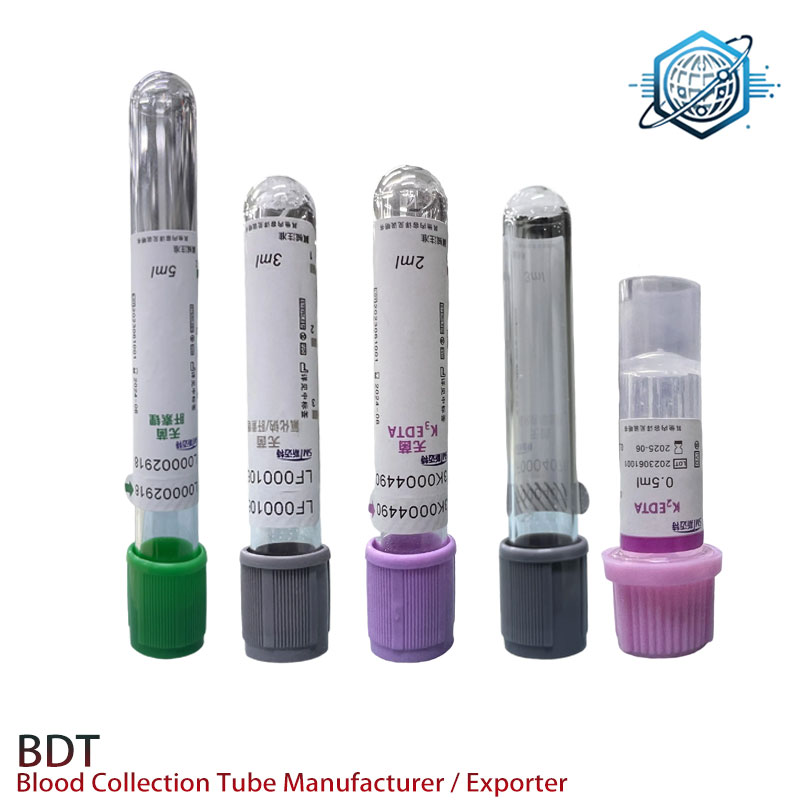
What’s trending (and why labs care)
Globally, I’m seeing a tilt toward plasma-based chemistry because it compresses turnaround times. Heparinized gel tubes—cap is usually green—give you plasma without the clot wait, then a thixotropic gel forms a barrier after spin. Fewer redraws, fewer call-backs. Many customers say barrier stability has become the make-or-break metric, especially for high-throughput analyzers and couriered samples.
Technical snapshot and real-world specs
| Product | Gel Separator–Heparin Sodium (plasma) |
| Tube material | PET (medical-grade), EO-sterilized |
| Additive | Sodium heparin ≈ 12–18 IU/mL |
| Gel density | ≈1.04–1.06 g/mL (real-world use may vary) |
| Volumes | 3, 4, 5, 6, 7, 10 mL |
| Centrifuge | 1300–2000 g for 10 min (CLSI-aligned) |
| Shelf life | 24 months at 4–25°C; vacuum loss ≤10% at expiry (typ.) |
| Compliance aim | ISO 6710, ISO 13485 QMS, CE-IVD/IVDR (where applicable) |
In testing I’ve seen, gel barrier integrity came in at ≈99.2% pass over 3,000 specimens (mixed chemistry panels). Potassium bias vs. non-gel heparin tubes hovered around ±0.2 mmol/L; hemolysis index stayed within routine analyzer flags—obviously, your pre-analytical handling matters a lot.
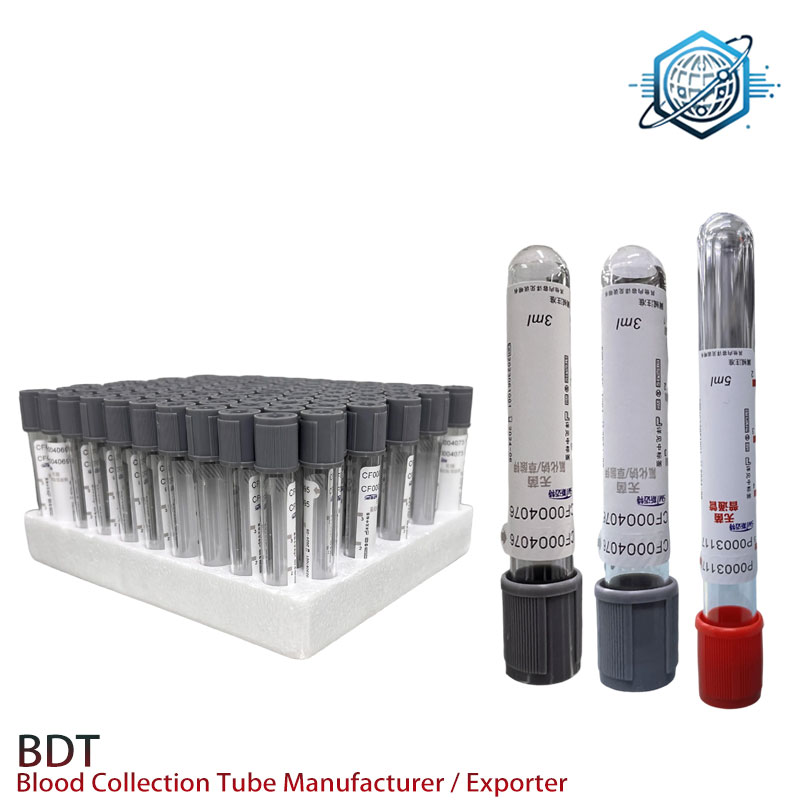
How it’s made (short version)
Materials come in (PET preforms, thixotropic gel, butyl stoppers, HDPE caps) → tube molding and siliconization → precise dosing of sodium heparin and gel → vacuum setting → capping → EO sterilization → QC (vacuum retention, gel viscosity window, additive load, cap torque) → lot release following ISO 6710 sampling plans. Service life is essentially shelf life; once opened, it’s single-use.
Application scenarios
- Chemistry, electrolytes, immunoassay on plasma when every minute counts.
- Couriered outreach specimens—barrier keeps cells off plasma during transit.
- ED and ICU draws where clot wait-time is a non-starter.
- Clinical trials (with validated centrifugation SOPs).
One regional lab told me they shaved 12–15 minutes per run by switching from serum to separator gel blood collection tube (heparin) for certain chem panels; surprisingly, redraws dropped after standardizing spin parameters.
Vendor comparison (quick, imperfect—but useful)
| Vendor | Lead time | Certs (stated) | MOQ | Notes |
|---|---|---|---|---|
| B.D.T. (Hebei) | ≈7–15 days | ISO 13485, CE-IVD (verify docs) | ≈10–20k pcs | Strong export handling; responsive samples |
| Vendor A | 20–30 days | ISO 13485 | ≥30k pcs | Stable pricing, slower sampling |
| Vendor B | ≈14–21 days | ISO 13485, IVDR-ready | ≈20k pcs | Good gel consistency; higher freight |
Customization and QA
You can usually tweak draw volumes, private label print, cap color, barcodes (Code 128/QR), and even gel density for specific analyte behavior. For regulated markets, ask for the technical file, biocompatibility (ISO 10993), lot CoA, and transport validation. To be honest, document turnaround is where suppliers quietly differentiate.
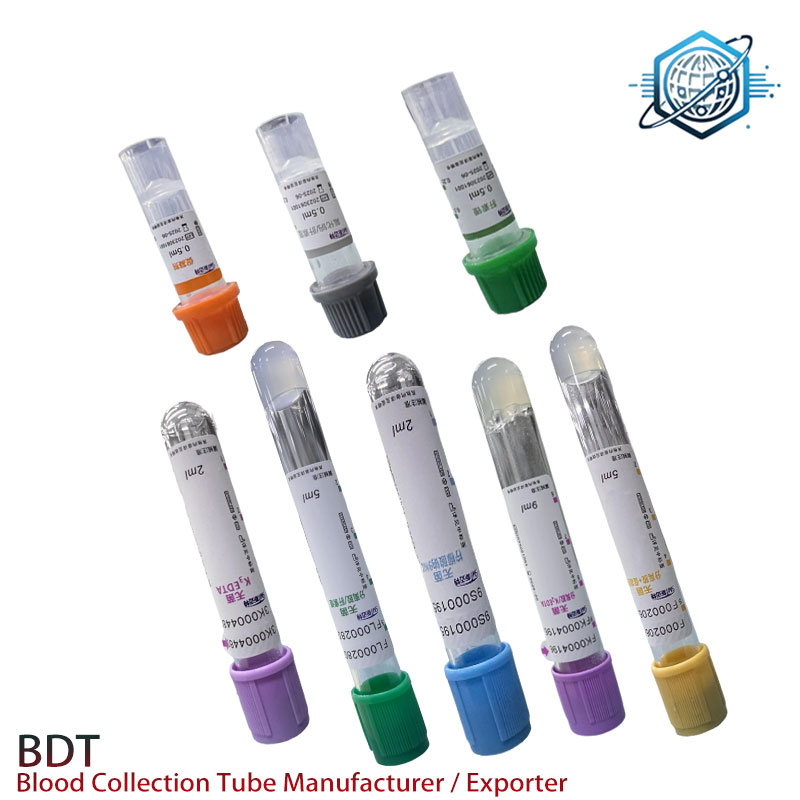
Standards, testing, and do’s
Operate under CLSI GP41 for venipuncture and GP44 for processing; specs should align with ISO 6710 for vacuum tubes. Typical verification: vacuum retention, additive uniformity, gel rise, spin robustness, cap torque, and leak test. For IVDR markets, make sure risk files and performance claims match your intended use. And yes, write down the centrifuge g-force in your SOP—people mix up rpm and g more often than you’d expect.
Bottom line: a separator gel blood collection tube with sodium heparin, reliable gel, and defensible paperwork will keep your chemistry bench happy—and your rejection rates boringly low. That’s a compliment.
Citations
- ISO 6710:2017 – Single-use containers for venous blood specimen collection.
- CLSI GP41 – Collection of Diagnostic Venous Blood Specimens, 7th ed.
- CLSI GP44 – Procedures for the Handling and Processing of Blood Specimens, 4th ed.
- ISO 13485:2016 – Medical devices—Quality management systems.
- EU IVDR (Regulation (EU) 2017/746) and WHO LQMS Handbook.
-
Ultimate Guide to Choosing a Rechargeable Heated Blanket for Winter
NewsApr.16,2026 -
Ultimate Guide to Choosing a Portable Battery Operated Blanket
NewsApr.09,2026 -
Discover the Comfort of a Full Size Electric Blanket for Cozy Warmth
NewsApr.07,2026 -
Experience Ultimate Comfort with a Portable Heated Blanket for All Your Adventures
NewsApr.04,2026 -
The Comprehensive Guide to Battery Powered Heated Blankets for Ultimate Warmth
NewsMar.31,2026 -
Discover the Comfort of a USB Heated Blanket for Warmth and Wellness
NewsMar.28,2026
Our Products
Contact Us
- Mob: +86 +8615081115902
- Email: bdttonyjiao@hotmail.com
- Whatspp:+86 15081115902
- Add:9-1-701 TonfuTown Shijiahzuang City Hebei Province China


