
- bdttonyjiao@hotmail.com
- +86 +8615081115902
- 9-1-701 TonfuTown Shijiahzuang City Hebei Province China
Oct . 06, 2025 11:15 Back to list
Sodium EDTA tube for accurate CBC, low hemolysis?
EDTANa2 Tube: What Buyers Should Know in 2025
If you’re sourcing a sodium edta tube right now, you’ve probably noticed the market looks busy—more private-label offers, tighter compliance checks, and, surprisingly, faster lead times out of North China. From my visits in Hebei to chats with hospital lab managers, the takeaway is consistent: get the chemistry right, keep vacuum stable, and don’t skimp on QC.
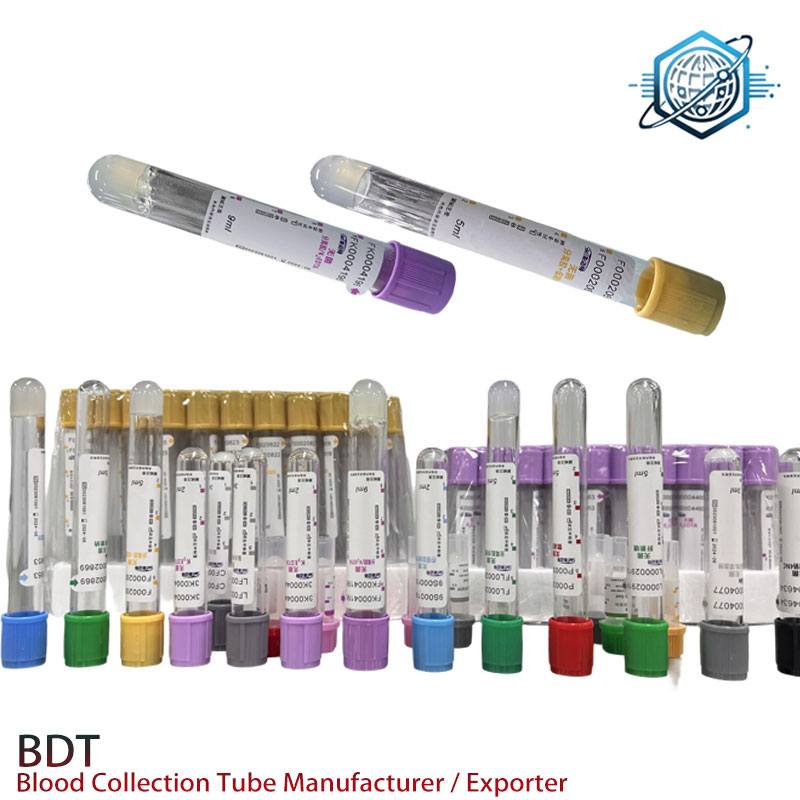
Quick industry snapshot
- Shift to PET over glass, driven by safety and transport costs.
- More Na2EDTA options where potassium interference matters (trace metals, certain molecular assays).
- Regulatory scrutiny up: buyers request ISO 13485, CE/IVDR documentation, and lot-level QC summaries.
EDTANa2 Tube from a leading Hebei manufacturer (Origin: 9-1-701 TonfuTown, Shijiahzuang City, Hebei, China) positions itself as a “Global Partner Wanted – Leading Chinese Manufacturer of Venous & Capillary Blood Collection Tubes.” To be honest, the pitch is bold—but the specs and customization options are the real differentiators.
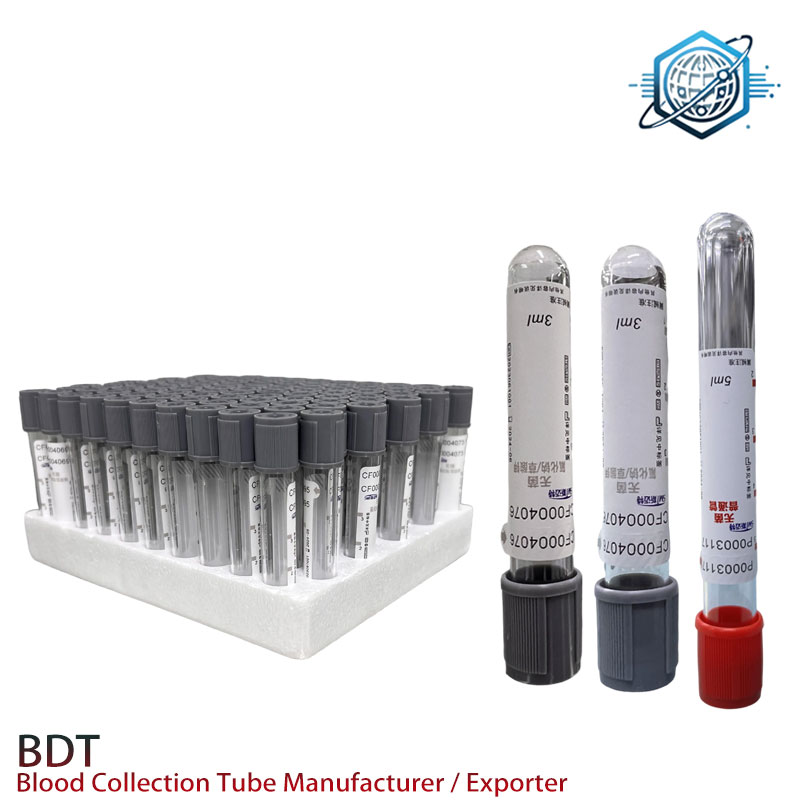
Technical specs and process flow
Core build: PET tube body, butyl rubber stopper, HDPE closure (lavender), and Na2EDTA as dry or spray-dried anticoagulant. Vacuum is pre-set for precise draw. Sterilization typically EO or irradiation—ask for cycle records.
Process flow (simplified): raw-material IQC → additive dosing (gravimetric) → vacuum setting → stopper/cap assembly → sterilization → draw-volume verification → endotoxin and bioburden checks → packaging. Testing standards generally reference ISO 6710 for container111s and CLSI GP41 for venipuncture practice.
| Parameter | Spec (≈, real-world use may vary) |
|---|---|
| Tube size | 13×75 mm or 13×100 mm |
| Draw volume | 2 mL, 3 mL, 4 mL, 5 mL, 6 mL (±10%) |
| Anticoagulant | Na2EDTA, ~1.5–2.2 mg/mL whole blood |
| Sterilization | EO or irradiation (validated) |
| Shelf life | ≈18–24 months at 4–25°C, dry |
Applications and advantages
- Hematology where potassium interference must be minimized; select trace-metal workflows.
- CROs and OEM brands needing private labels and multilingual IFUs.
- Advantages: consistent anticoagulant dose, low hemolysis in routine draws, stable vacuum, wide OEM customization.
Typical QC data reported by reputable vendors: vacuum loss ≤5% at 12 months (25°C); hemolysis index low in standard venipuncture; draw-volume accuracy within ±10%. Always request lot-specific certificates and transport conditions—heat spikes can skew results.
Vendor comparison (indicative)
| Vendor | Tube material | Vacuum stability | Lead time | Customization |
|---|---|---|---|---|
| Hebei EDTANa2 (this line) | PET | High (aging tested) | ≈3–6 weeks | Private label, barcodes, draw volumes |
| Generic Import A | PET | Medium | ≈6–8 weeks | Limited SKUs |
| Legacy Glass | Glass | High | Variable | Minimal |
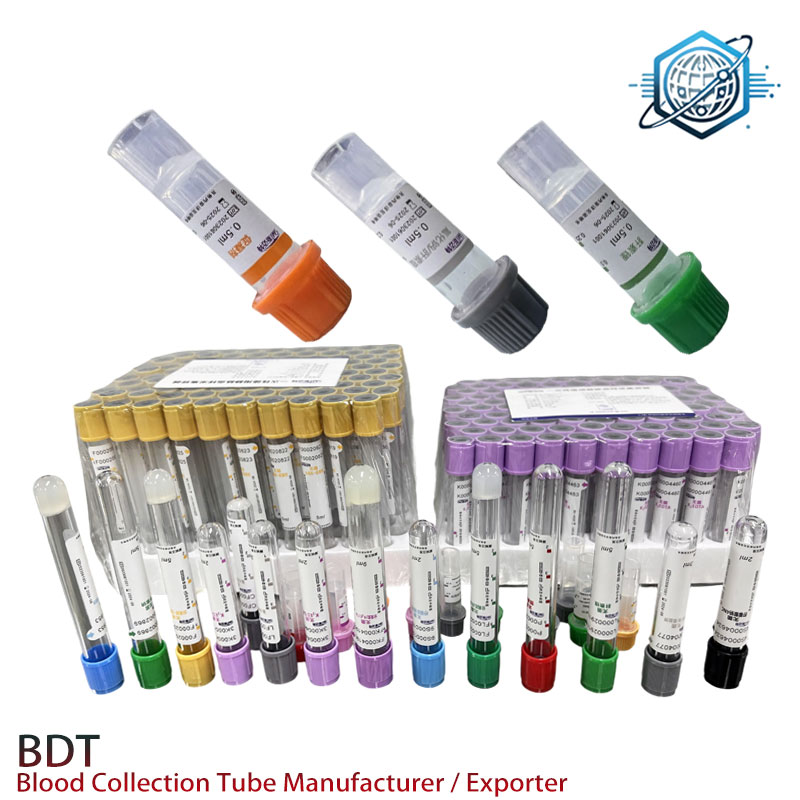
Customization, compliance, and real feedback
OEM buyers ask for pre-printed barcodes, IFUs in 8–12 languages, and carton labels matching LIMS codes. Certifications to request: ISO 13485 QMS; CE marking under IVDR for EU; conformance to ISO 6710. Many customers say they value quick stability reports more than glossy brochures—can’t argue with that.
Case in point: a midsize hospital network switched to sodium edta tube PET line with Na2EDTA to avoid potassium load in a trace-element panel. Result (after a 6-week parallel): fewer redraws due to underfill, and procurement liked the faster replenishment cycle. Not flashy, just practical.
Usage tips
- Invert gently 8–10 times immediately after draw (per CLSI guidance).
- Store upright, 4–25°C; avoid prolonged heat. Check vacuum before use.
- For hematology/trace workflows, verify method compatibility with Na2EDTA in your validation.
Bottom line: a well-made sodium edta tube lives or dies by additive accuracy, vacuum stability, and documentation. If the vendor can show real test data and consistent lead times, you’re on the right track.
Authoritative references
- CLSI GP41—Collection of Diagnostic Venous Blood by Venipuncture. https://clsi.org
- ISO 6710—Single-use container111s for venous blood specimen collection. https://www.iso.org/standard/68127.html
- ICSH recommendations on EDTA-anticoagulated blood for CBC stability. https://www.icsh.org
- ISO 13485—Medical devices QMS requirements. https://www.iso.org/standard/59752.html
-
Ultimate Guide to Choosing a Rechargeable Heated Blanket for Winter
NewsApr.16,2026 -
Ultimate Guide to Choosing a Portable Battery Operated Blanket
NewsApr.09,2026 -
Discover the Comfort of a Full Size Electric Blanket for Cozy Warmth
NewsApr.07,2026 -
Experience Ultimate Comfort with a Portable Heated Blanket for All Your Adventures
NewsApr.04,2026 -
The Comprehensive Guide to Battery Powered Heated Blankets for Ultimate Warmth
NewsMar.31,2026 -
Discover the Comfort of a USB Heated Blanket for Warmth and Wellness
NewsMar.28,2026
Our Products
Contact Us
- Mob: +86 +8615081115902
- Email: bdttonyjiao@hotmail.com
- Whatspp:+86 15081115902
- Add:9-1-701 TonfuTown Shijiahzuang City Hebei Province China


