
- bdttonyjiao@hotmail.com
- +86 +8615081115902
- 9-1-701 TonfuTown Shijiahzuang City Hebei Province China
Sep . 15, 2025 10:20 Back to list
Heparinized Vacutainer Tubes: Optimal Plasma Blood Collection
The Pivotal Role of Heparinized Vacutainer Tubes in Modern Diagnostics
In the intricate landscape of clinical diagnostics and research, the integrity of a blood sample is paramount. Among the array of blood collection devices, heparinized vacutainer tubes stand as indispensable tools, ensuring reliable and accurate results for a broad spectrum of tests. These specialized tubes are designed to prevent blood coagulation, facilitating the rapid acquisition of plasma samples crucial for chemistry, therapeutic drug monitoring, and other critical analyses. Their design and inherent chemical properties are optimized to maintain sample stability, minimizing pre-analytical errors and supporting efficient laboratory workflows.
This comprehensive guide delves into the technical aspects, applications, and strategic advantages of utilizing high-quality heparinized vacutainer tubes, offering insights for B2B decision-makers, laboratory professionals, and procurement specialists seeking superior diagnostic solutions.
Industry Trends in Blood Sample Collection
The diagnostic industry is witnessing rapid evolution, driven by demand for faster turnaround times, increased accuracy, and enhanced patient safety. Key trends influencing the development and adoption of heparinized vacutainer tubes include:
- Automation and Standardization: Labs are increasingly investing in automated systems for sample handling and analysis. Tubes designed for seamless integration with these systems, offering consistent dimensions and reliable performance, are highly valued.
- Point-of-Care Testing (POCT) Expansion: While primarily for central lab use, the drive for rapid results influences tube design, with innovations like smaller volume capillary tube with heparin options becoming more relevant for POCT devices requiring plasma.
- Enhanced Sample Integrity: A heightened focus on pre-analytical variables to reduce diagnostic errors. This includes optimizing additive concentration, ensuring inert tube materials, and improving stopper designs to prevent evaporation or contamination.
- Sustainable Practices: Growing environmental consciousness is pushing manufacturers towards more eco-friendly materials and packaging, without compromising product performance or safety.
- Specialized Additives: Development of advanced heparin formulations (e.g., lithium heparin with gel separators) to meet specific analytical requirements and improve plasma yield and stability.
These trends underscore the importance of precision-engineered sodium heparin blood collection tubes that meet rigorous regulatory and performance standards.
Manufacturing Process of Heparinized Vacutainer Tubes
The production of high-quality heparinized vacutainer tubes is a meticulously controlled process, blending advanced material science with precision engineering. Each step is critical to ensuring the tubes meet stringent international standards for diagnostic use.
Key Materials:
- Tube Material: Medical-grade Polyethylene Terephthalate (PET) is predominantly used for its transparency, robustness, and barrier properties. Glass tubes are also available for specific applications requiring inert surfaces.
- Anticoagulant: Sodium Heparin or Lithium Heparin, typically applied as a dry spray coating. The concentration is precisely controlled (e.g., 12-30 USP units/mL of blood) to ensure effective anticoagulation without affecting analytical results.
- Stopper: Butyl rubber, formulated to provide an excellent seal, resist coring by needles, and maintain vacuum integrity throughout the tube's shelf life. Various colors indicate different additives (e.g., green for heparin).
- Lubricant (optional): Silicone-based coatings inside the tube can facilitate easier blood flow and reduce hemolysis.
- Gel Separator (for plasma separator tubes): Inert thixotropic gel that forms a stable barrier between plasma and cellular components after centrifugation.
Manufacturing Process Flow:
1. Tube Molding
Precision injection molding of medical-grade PET resin to form the tube body, ensuring consistent dimensions and vacuum compatibility.
2. Additive Application
Automated spray-drying or vacuum impregnation applies a precise, uniform coating of sodium or lithium heparin onto the interior surface.
3. Stopper Insertion & Vacuum Creation
High-speed automated insertion of stoppers while precisely drawing a vacuum to pre-determined levels for accurate blood draw volumes.
4. Labeling & Packaging
Automated application of labels with essential information (lot number, expiry, additive) followed by protective packaging.
5. Sterilization
Tubes are sterilized, typically by gamma irradiation or electron beam (E-beam), to ensure aseptic conditions for blood collection.
6. Quality Control & Release
Comprehensive testing for vacuum integrity, additive efficacy, sterility, dimensions, and visual defects before batch release.
Testing Standards and Service Life:
Our sodium heparin blood tube products adhere to rigorous international quality and performance standards, including:
- ISO 6710: Single-use container111s for human venous blood specimen collection.
- CLSI GP41: Procedures for the Collection of Diagnostic Blood Specimens by Venipuncture.
- ISO 13485: Medical devices — Quality management systems — Requirements for regulatory purposes.
- ASTM E104: Standard Practice for Maintaining Constant Relative Humidity by Means of Aqueous Solutions (relevant for stability testing).
The typical service life (shelf life) for properly stored heparinized vacutainer tubes is 12 to 24 months from the manufacturing date, ensuring long-term usability for laboratories. Our tubes are designed to maintain vacuum integrity and anticoagulant efficacy throughout this period.
Target Industries and Advantages:
These advanced blood collection tubes are essential across various critical healthcare sectors:
- Clinical Laboratories: For routine plasma chemistry, therapeutic drug monitoring, toxicology screening, and urgent STAT tests.
- Hospitals & Emergency Rooms: Critical for rapid blood analysis where immediate results are needed to guide patient care.
- Research Institutions: Providing reliable, anticoagulated plasma samples for various scientific studies and clinical trials.
- Pharmaceutical R&D: Used in drug metabolism studies and pharmacokinetics.
Our sodium heparin blood collection tubes offer distinct advantages in typical application scenarios:
- Accurate Diagnostics: Precisely controlled heparin concentration prevents clotting without interfering with most analytes, ensuring accurate diagnostic outcomes.
- Reduced Hemolysis: Optimized interior surface and gentle additive application minimize red blood cell damage during collection and mixing.
- Rapid Plasma Separation: Ideal for STAT procedures, allowing for quick centrifugation and plasma availability, critical for emergency medicine.
- Enhanced Workflow Efficiency: Reliable vacuum and clear labeling contribute to smoother phlebotomy and lab processing.
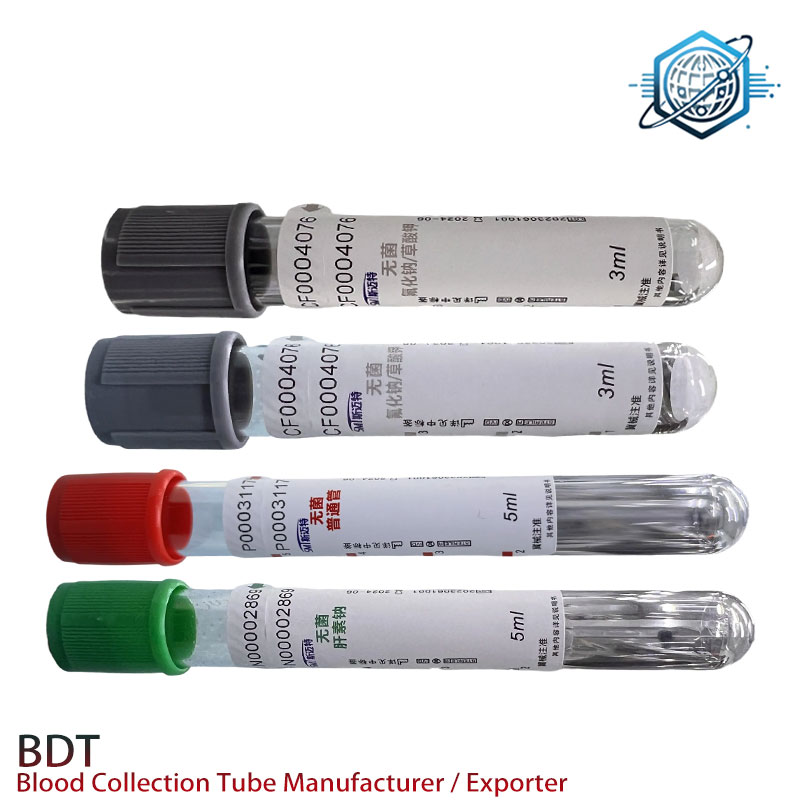
Technical Specifications of Our Heparin Tubes
Our range of sodium heparin blood collection tubes is engineered to meet diverse laboratory needs, providing consistent performance and reliability. Below are detailed specifications for our standard offerings:
| Parameter | Sodium Heparin Tube (Standard) | Lithium Heparin Tube (with Gel) | Capillary Tube with Heparin |
|---|---|---|---|
| Tube Material | Medical-grade PET | Medical-grade PET | Glass/Micro-PET |
| Anticoagulant | Sodium Heparin (16 USP units/mL blood) | Lithium Heparin (17 USP units/mL blood) | Lithium Heparin |
| Nominal Volume | 2 mL, 3 mL, 4 mL, 5 mL, 6 mL, 10 mL | 3 mL, 4 mL, 5 mL, 6 mL | 100 µL, 200 µL, 500 µL |
| Tube Dimensions (Dia x L) | 13x75mm, 13x100mm, 16x100mm | 13x75mm, 13x100mm, 16x100mm | Various micro-dimensions |
| Closure Type | Rubber Stopper (Green) / Hemogard™ | Rubber Stopper (Green) / Hemogard™ | Micro-stopper / Capillary Seal |
| Recommended Draw Volume | Full draw to ensure correct additive dilution | Full draw for optimal gel migration | Precise volume markings for capillary action |
| Centrifugation Speed & Time | 1300-2000 g for 10 minutes | 1300-2000 g for 10 minutes (gel separation) | Not typically centrifuged; direct analysis |
| Shelf Life | 18 months | 12 months | 12 months |
| Sterilization Method | Gamma Irradiation / E-beam | Gamma Irradiation / E-beam | Gamma Irradiation |
| Compliance | ISO 6710, CLSI GP41, CE, FDA | ISO 6710, CLSI GP41, CE, FDA | ISO 6710, CLSI GP41, CE, FDA |
These specifications highlight our commitment to providing reliable and high-performance sodium heparin tube products, catering to the exacting demands of modern medical diagnostics.
Diverse Application Scenarios
The versatility of heparinized vacutainer tubes makes them essential across numerous clinical and research applications where plasma is the preferred sample matrix. Their ability to prevent coagulation without significantly altering blood components is critical for precise measurements.
- Routine Plasma Chemistry: The most common application, including tests for electrolytes (sodium, potassium, chloride), glucose, urea, creatinine, liver function enzymes (ALT, AST), and lipid profiles. Heparin prevents clotting and allows for rapid plasma separation without affecting these analytes.
- STAT Testing: For emergency situations where rapid results are imperative (e.g., in emergency rooms or critical care units), sodium heparin blood tube samples can be centrifuged immediately to obtain plasma, significantly reducing turnaround time compared to serum samples which require clot activation.
- Therapeutic Drug Monitoring (TDM): Measuring drug concentrations in a patient's bloodstream to optimize dosage. Heparin is often preferred for TDM as it does not typically interfere with common drug assays.
- Toxicology Screening: Detection of illicit drugs, medications, or poisons. Plasma samples are frequently used in forensic toxicology and clinical toxicology labs.
- Blood Gas Analysis: Especially for arterial blood samples, capillary tube with heparin or specific heparinized syringes are used to prevent clotting while preserving the oxygen and carbon dioxide levels for accurate pH, pO2, and pCO2 measurements.
- Immunosuppressant Drug Monitoring: Essential for transplant patients to ensure therapeutic levels of immunosuppressants, often requiring plasma samples.
- Research & Development: Wide use in pharmacokinetic studies, biomarker discovery, and various biochemical analyses where stable plasma samples are needed.
The ability of sodium heparin tube products to provide stable, artifact-free plasma samples is foundational for accurate diagnosis and effective patient management across these diverse scenarios.
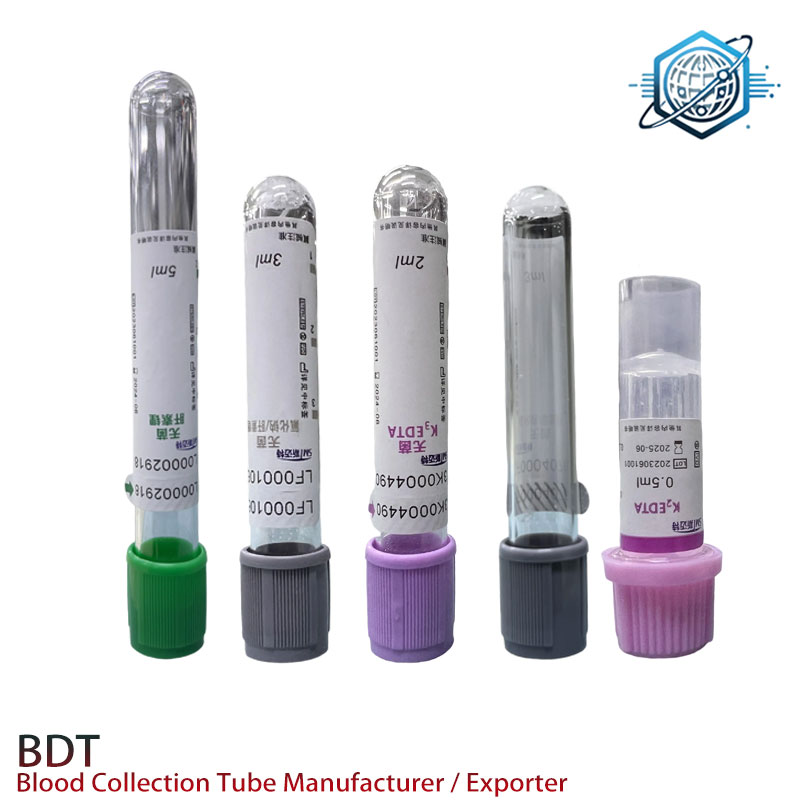
Technical Advantages of Our Heparinized Tubes
Our heparinized vacutainer tubes offer distinct technical advantages that contribute to superior sample quality and optimized laboratory efficiency:
- Optimal Anticoagulation: Utilizes highly purified sodium or lithium heparin, effectively inhibiting thrombin activity and preventing coagulation without significantly altering cellular morphology or plasma components, making it ideal for plasma chemistry.
- Reduced Hemolysis and Platelet Activation: Advanced coating technology ensures uniform heparin distribution, minimizing potential for mechanical stress on blood cells during collection and mixing, thereby reducing hemolysis and preserving platelet integrity.
- Consistent Vacuum Integrity: Manufactured with precise vacuum levels, guaranteeing accurate fill volumes and maintaining sample-to-additive ratios critical for assay reliability. This also ensures a consistent draw, improving phlebotomy success rates.
- Inert Tube Material: Constructed from medical-grade PET or high-quality glass, our sodium heparin blood collection tubes are chemically inert, preventing interaction with blood components or analytes that could lead to inaccurate results.
- Rapid Processing for STAT Samples: Unlike serum tubes which require a clotting time, heparinized plasma can be centrifuged almost immediately, yielding plasma for urgent analyses much faster. This is crucial for emergency diagnostics where every minute counts.
- Compatibility with Automation: Designed to be compatible with automated blood collection, labeling, and processing systems, enhancing laboratory throughput and reducing manual handling errors.
- Clear and Stable Plasma Separation: For tubes with gel separators, a robust, inert barrier forms between the plasma and cellular components after centrifugation, ensuring clear plasma and prolonged analyte stability during transport and storage.
These technical attributes collectively ensure that our sodium heparin blood tube products provide the reliability and consistency demanded by modern diagnostic laboratories.
Vendor Comparison: Choosing the Right Heparinized Tube Provider
Selecting the right supplier for heparinized vacutainer tubes is a critical decision for any diagnostic laboratory or healthcare provider. Key factors extend beyond mere price, encompassing quality, consistency, support, and innovation. Here's a comparative overview:
| Feature/Criterion | Our Company (Vendor X) | Vendor A (Major Global) | Vendor B (Regional Specialist) |
|---|---|---|---|
| Product Range & Specialization | Comprehensive range of sodium heparin tube types, including gel separators and micro-collection. | Extensive general diagnostic product portfolio, heparin tubes as part of large offering. | Focused on specific niches, may have limited heparin tube options. |
| Quality Certifications | ISO 13485, CE, FDA, rigorous internal QMS. | Global certifications (ISO, CE, FDA) due to scale. | May vary; typically regional certifications. |
| Customization Capabilities | Strong capability for custom volumes, additives, and packaging. | Limited customization due to mass production models. | Moderate customization based on their specialized areas. |
| Technical Support & Service | Dedicated technical support, rapid response, product training. | Standardized global support, potentially slower for specific issues. | Personalized but potentially limited in scope. |
| Pricing Model | Competitive, value-driven with flexible bulk pricing. | Premium pricing reflecting brand recognition. | Variable, potentially higher for small batches. |
| Lead Times & Fulfillment | Optimized supply chain for consistent and timely delivery. | Generally reliable, but large orders may face delays. | Can be variable depending on capacity. |
Our commitment at Vendor X is to provide not only superior heparinized vacutainer tubes but also unparalleled customer service and flexible solutions that truly meet the specific operational demands of our clients.
Customized Solutions for Specialized Needs
Recognizing that standard products do not always suffice for highly specialized research or unique clinical protocols, we offer extensive customization options for our heparinized vacutainer tubes. Our technical team works closely with clients to develop solutions tailored to precise requirements, ensuring optimal sample integrity and workflow compatibility.
Customization possibilities include:
- Specific Blood Volumes: Tubes can be manufactured to precise fill volumes, from micro-collection (e.g., capillary tube with heparin for pediatric or geriatric draws) to larger volumes for specific research applications.
- Modified Additive Concentrations: Fine-tuning the concentration of sodium or lithium heparin to meet unique assay sensitivity requirements or to address specific blood sample characteristics.
- Specialized Additive Combinations: Integration of additional reagents, such as protease inhibitors or specific stabilizers, alongside heparin for specialized research projects requiring enhanced analyte preservation.
- Alternative Tube Materials: While PET is standard, we can explore other medical-grade polymers or high-purity glass for applications demanding different surface properties or chemical inertness.
- Custom Labeling and Barcoding: Design and application of unique labels, including specific barcodes, logos, or information fields, to integrate seamlessly with existing laboratory information systems (LIS) and workflows.
- Unique Packaging Configurations: From bulk sterile packaging to specific rack formats or kits, we can adapt packaging to streamline storage, distribution, and use in your facility.
- Alternative Stopper Designs/Colors: Custom stoppers for specific automation compatibility or visual differentiation.
Our agile manufacturing capabilities and dedicated R&D team enable us to transform complex requirements into reliable, high-quality sodium heparin blood collection tubes, ensuring your unique needs are met with precision and expertise.
Application Case Studies
Our heparinized vacutainer tubes consistently deliver exceptional performance in real-world clinical and research settings. Here are examples showcasing their impact:
Case Study 1: Large Hospital Network – Improved STAT Turnaround Times
A major metropolitan hospital network, facing increasing pressure for rapid diagnostic results in their emergency department and ICU, adopted our lithium heparin blood collection tubes with gel separators. Prior to this, they experienced delays due to clotting time requirements for serum samples. By switching to heparinized plasma tubes, they were able to reduce sample processing time by an average of 15 minutes per STAT request. This directly contributed to faster physician decision-making, leading to an estimated 10% reduction in average patient stay in the emergency department for critical cases. The tubes' consistent vacuum and reliable gel separation minimized pre-analytical errors, further streamlining their automated chemistry analyzers.
Case Study 2: Pharmaceutical Research Lab – Enhanced Biomarker Stability
A pharmaceutical company conducting a multi-center clinical trial required highly stable plasma samples for novel biomarker discovery. Standard sodium heparin blood tube products sometimes showed slight degradation of heat-sensitive proteins during transport. We collaborated to develop a customized sodium heparin tube incorporating a proprietary blend of protease inhibitors and an optimized internal surface coating. This tailored solution resulted in a 98% reduction in biomarker degradation artifacts over a 24-hour transport period, significantly improving the quality and reliability of their research data and accelerating their drug development pipeline.
Case Study 3: Pediatric Clinic – Safer and More Efficient Micro-collection
A specialized pediatric clinic needed a safer and less traumatic method for collecting small blood volumes from infants for routine metabolic screens. They implemented our specially designed capillary tube with heparin. These micro-collection tubes offered precise fill volumes (e.g., 200 µL) and a gentle capillary draw mechanism. The integrated heparin prevented clotting in the small sample, and the secure, easy-to-seal cap minimized exposure risks for staff. This led to a 20% reduction in redraw rates for pediatric patients and significantly improved patient and parent satisfaction due to less invasive blood collection procedures.
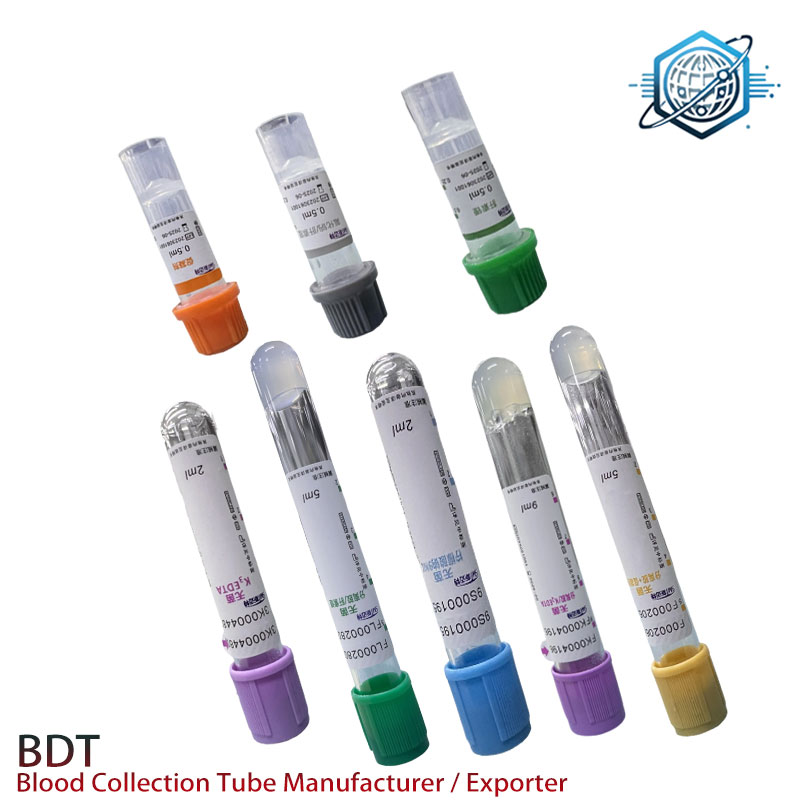
Commitment to Quality, Service, and Trust
Certifications and Authoritative Compliance:
Our commitment to producing the highest quality heparinized vacutainer tubes is underscored by our adherence to global regulatory and quality standards. We are certified under ISO 13485:2016 for medical device quality management systems, holding CE Mark certification, and maintaining FDA clearance for our products. These certifications reflect our unwavering dedication to manufacturing excellence and patient safety. We have served the medical diagnostics industry for over 15 years, building trusted partnerships with leading hospitals, reference laboratories, and research institutions worldwide.
Frequently Asked Questions (FAQ):
- Q: What is the primary difference between sodium heparin and lithium heparin tubes?
A: Sodium heparin is generally preferred for plasma determinations where sodium levels are not a critical analyte, while lithium heparin is used when sodium levels need to be measured (as lithium ions do not interfere with sodium assays). Both prevent coagulation by activating antithrombin. - Q: Can your heparinized tubes be used with automated systems?
A: Yes, our sodium heparin blood collection tubes are designed to be compatible with a wide range of automated blood collection, processing, and analytical systems, ensuring seamless integration into modern laboratory workflows. - Q: What is the shelf life of your heparinized tubes?
A: The typical shelf life is between 12 to 24 months from the date of manufacture, provided they are stored according to recommended conditions (usually 4-25°C, away from direct sunlight). Exact expiry dates are printed on each tube and packaging. - Q: Do you offer custom volumes for pediatric blood collection?
A: Absolutely. We offer a range of micro-collection options, including capillary tube with heparin, and can customize fill volumes to meet the specific requirements of pediatric or difficult-draw patients.
Lead Time and Fulfillment:
We maintain robust manufacturing and supply chain operations to ensure timely delivery. Standard orders typically have a lead time of 2-4 weeks, depending on order size and destination. For customized solutions, lead times will be provided upon project scope finalization. Expedited shipping options are available upon request.
Warranty and After-Sales Support:
All our sodium heparin blood tube products come with a comprehensive warranty against manufacturing defects and sterility issues, covering the entire stated shelf life of the product. Our dedicated customer support and technical service teams are available to provide assistance, troubleshoot any issues, and offer product training, ensuring you maximize the utility and performance of our tubes.
Conclusion
The reliability of heparinized vacutainer tubes is foundational to accurate and efficient clinical diagnostics. By offering superior sample integrity, compatibility with modern laboratory automation, and a range of customizable solutions, our products empower healthcare providers and researchers to achieve precise results. Our unwavering commitment to quality, backed by stringent certifications and comprehensive customer support, positions us as a trusted partner in advancing healthcare outcomes.
References
- CLSI. Procedures for the Collection of Diagnostic Blood Specimens by Venipuncture; Approved Standard—Seventh Edition. CLSI document GP41. Wayne, PA: Clinical and Laboratory Standards Institute; 2017.
- International Organization for Standardization. ISO 6710:2017. Single-use container111s for human venous blood specimen collection.
- Plebani M, Sciacovelli L, Aita A, Padoan A. The quality indicator for phlebotomy: significance and application. Clin Chem Lab Med. 2021 May 26;59(6):995-1002.
-
Ultimate Guide to Choosing a Rechargeable Heated Blanket for Winter
NewsApr.16,2026 -
Ultimate Guide to Choosing a Portable Battery Operated Blanket
NewsApr.09,2026 -
Discover the Comfort of a Full Size Electric Blanket for Cozy Warmth
NewsApr.07,2026 -
Experience Ultimate Comfort with a Portable Heated Blanket for All Your Adventures
NewsApr.04,2026 -
The Comprehensive Guide to Battery Powered Heated Blankets for Ultimate Warmth
NewsMar.31,2026 -
Discover the Comfort of a USB Heated Blanket for Warmth and Wellness
NewsMar.28,2026
Our Products
Contact Us
- Mob: +86 +8615081115902
- Email: bdttonyjiao@hotmail.com
- Whatspp:+86 15081115902
- Add:9-1-701 TonfuTown Shijiahzuang City Hebei Province China


