
- bdttonyjiao@hotmail.com
- +86 +8615081115902
- 9-1-701 TonfuTown Shijiahzuang City Hebei Province China
Sep . 10, 2025 10:40 Back to list
Premium Electric Hot Pad: Targeted Heat Relief & Comfort
Elevating Industrial Efficiency with Advanced Heating Solutions
In various B2B sectors, precise temperature control and localized heating are paramount for process optimization, material conditioning, and operational safety. The modern electric hot pad represents a sophisticated solution to these demands, evolving significantly from rudimentary heating elements to highly engineered systems. As a critical component in thermal management, these devices are designed for robust performance in challenging industrial environments.
Current industry trends indicate a growing demand for energy-efficient, durable, and highly customizable heating solutions. This is driven by stringent environmental regulations, increasing operational costs, and the need for greater process control in advanced manufacturing. Innovations in materials science and smart control systems are leading to the development of flexible, high-power-density electric hot mat units, and even wireless heating pad technologies that offer unparalleled versatility. Furthermore, the market for body heating pad and small electric pad applications is expanding, signaling a broader acceptance and integration of heating pad technologies across diverse commercial and industrial uses.
This article delves into the technical intricacies, application benefits, and strategic considerations for deploying advanced electric heating pad solutions, providing B2B decision-makers with a comprehensive overview to inform their procurement strategies.
Technical Specifications and Core Components of the Electric Hot Pad
A high-performance electric hot pad is engineered from a synergy of advanced materials and precision components. Understanding these specifications is crucial for selecting the appropriate unit for specific industrial demands. Key components typically include the heating element, insulation layers, outer sheath, temperature sensors, and integrated control systems.
- Heating Element: Often constructed from nickel-chromium (NiCr) alloy wires or etched foil, providing consistent and reliable heat generation. The resistance and geometry of the element dictate power output and heating uniformity.
- Insulation: Multiple layers of high-dielectric strength materials such as silicone rubber, mica, or fiberglass. These layers ensure electrical safety, prevent heat loss, and extend service life.
- Outer Sheath: Robust, chemical-resistant, and high-temperature tolerant materials like reinforced silicone, PVC, or specialized polymers protect the internal components from environmental factors. For the Button Design Electric Heating Pad, a durable, flexible outer material ensures longevity.
- Temperature Sensors & Controls: Integrated RTDs (Resistance Temperature Detectors) or thermocouples provide real-time temperature feedback, allowing for precise control via digital thermostats or PID (Proportional-Integral-Derivative) controllers.
- Power Connectivity: Industrial-grade cabling and connectors designed for high current loads and secure, reliable power transmission.
Representative Technical Parameters
| Parameter | Value/Description | Standard |
|---|---|---|
| Operating Voltage | 120V / 240V AC (customizable) | UL, CE |
| Power Output Range | 50W - 2000W (application dependent) | IEC 60335-1 |
| Max Operating Temp. | 200°C - 250°C (depending on material) | ASTM E2016 |
| Temperature Uniformity | ±3°C across heating surface | Internal QA |
| Ingress Protection (IP) Rating | IP65 - IP67 (dust and water jet resistant) | IEC 60529 |
| Expected Service Life | Typically > 10,000 operational hours | Accelerated Aging Tests |
| Material Compliance | RoHS, REACH compliant materials | EU Directives |
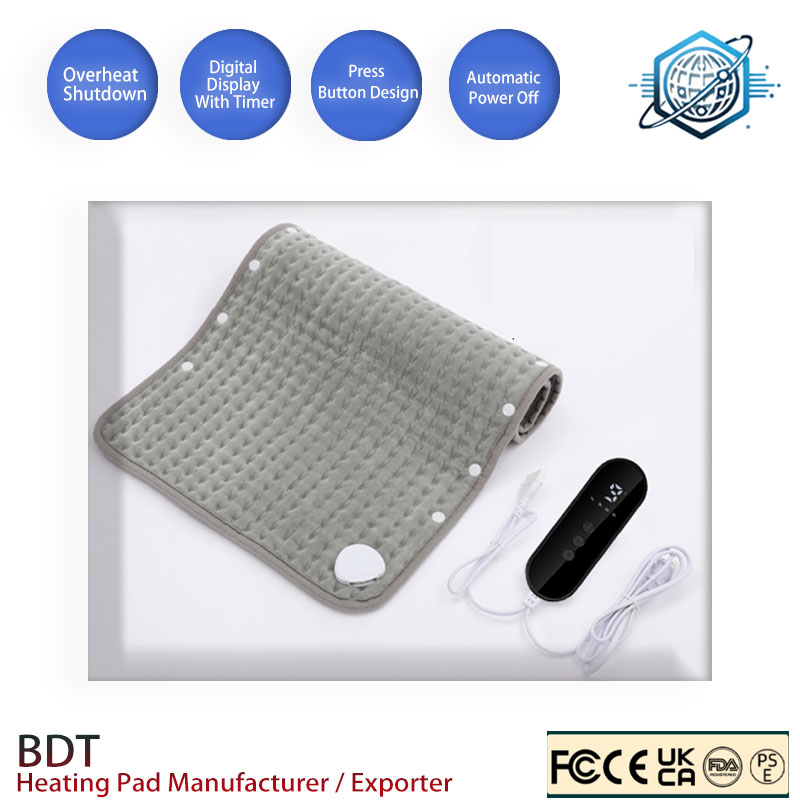
Fig 1: Advanced electric hot pad for precision heating in manufacturing.
The selection of specific parameters is highly dependent on the target industry and application, from maintaining optimal viscosity in petrochemical processes to preventing condensation in sensitive electronic enclosures. The robust design, exemplified by products like the Button Design Electric Heating Pad, ensures reliable operation even under strenuous conditions.
Manufacturing Process of a High-Performance Electric Hot Pad
The production of a durable and efficient electric hot pad involves a meticulous multi-stage process, integrating advanced engineering with stringent quality control. This ensures each unit meets the exacting demands of B2B applications.
Schematic Process Flow:
-
Material Procurement & Inspection:
High-grade raw materials, including NiCr alloy wire for heating elements, silicone rubber or fiberglass fabric for insulation and outer sheathing, and high-temperature adhesives, are sourced from certified suppliers. Incoming materials undergo rigorous inspection (e.g., tensile strength, resistivity, dielectric breakdown tests) to ensure compliance with ISO 9001 standards.
-
Heating Element Fabrication:
NiCr alloy wires are precision-wound or etched onto a flexible substrate. For etched foil elements, a photographic etching process creates the desired heating pattern. This stage often utilizes CNC machining for precise wire spacing and density, crucial for uniform heat distribution. Tolerances are typically within ±5% for resistance values.
-
Insulation Layer Application (Encapsulation):
The fabricated heating element is meticulously encapsulated between multiple layers of dielectric insulation, such as high-temperature silicone or fiberglass. This process often involves calendering or vacuum lamination to eliminate air voids and ensure intimate contact, optimizing thermal transfer and electrical isolation. This is critical for preventing hot spots and ensuring the longevity of the electric blanket component.
-
Outer Sheathing & Sealing:
The insulated heating element is then encased in the chosen outer sheath material. For silicone-based pads, this involves compression molding or vulcanization, forming a robust, chemical-resistant, and flexible exterior. Edge sealing ensures ingress protection (e.g., IP65-IP67), safeguarding against moisture and dust, vital for applications in water supply & drainage or outdoor equipment.
-
Integration of Sensors & Terminations:
Temperature sensors (RTDs, thermocouples) are strategically embedded or attached, and power leads are terminated using high-quality, strain-relieved connectors. All electrical connections are crimped or soldered according to ANSI/IPC standards, followed by heat-shrink or potting for enhanced durability and environmental resistance.
-
Curing & Post-Processing:
Depending on the materials, the assembled pad may undergo a curing cycle (e.g., in ovens for silicone) to achieve final material properties, dimensional stability, and bond strength. This step is crucial for the long-term performance and service life of the electric hot pad.
-
Final Testing & Quality Assurance:
Each finished unit undergoes a battery of tests: dielectric strength (Hi-Pot test), insulation resistance, continuity, power output accuracy, and thermal profiling. Statistical process control (SPC) is employed throughout manufacturing. Products must meet ISO 17025 certified laboratory standards for performance and safety. Accelerated life cycle testing ensures an expected service life of 10,000+ operational hours, a testament to its reliability in target industries like petrochemicals and metallurgy.
This rigorous manufacturing regimen, combining advanced materials with precision engineering, results in an electric hot pad that offers superior energy saving capabilities through efficient heat transfer and precise temperature control, alongside exceptional corrosion resistance, crucial for harsh industrial environments.
Application Scenarios and Technical Advantages
The versatility and precision of a modern electric hot pad make it indispensable across a spectrum of industrial applications. Its technical advantages translate directly into operational efficiencies and cost savings for B2B enterprises.
Key Application Scenarios:
- Petrochemical Industry: Maintaining viscosity of oils, waxes, and chemicals in tanks, pipelines, and instrumentation to ensure flowability and prevent solidification. Preventing crystallization in sensitive chemical processes.
- Metallurgy & Foundry: Pre-heating molds, dies, and components to prevent thermal shock, improve material flow, and ensure uniform cooling in casting processes. Used as an electric cold pad for controlled cooling applications where necessary.
- Water Supply & Drainage: Freeze protection for pipes, valves, pumps, and instrumentation in exposed environments. Preventing condensation in control panels and enclosures.
- Food & Beverage Processing: Keeping ingredients at optimal temperatures, preventing bacterial growth, and ensuring product consistency. Maintaining warmth for food service equipment.
- Electronics & Semiconductor: Precision heating for curing adhesives, drying components, and maintaining temperature in sensitive manufacturing stages. Used as a small electric pad for localized thermal management.
- Medical & Pharmaceutical: Incubator heating, warming reagents, and ensuring stable temperatures for sensitive laboratory equipment and processes.
- Aerospace & Defense: De-icing applications for sensitive equipment, maintaining battery performance in cold climates, and composite material curing.
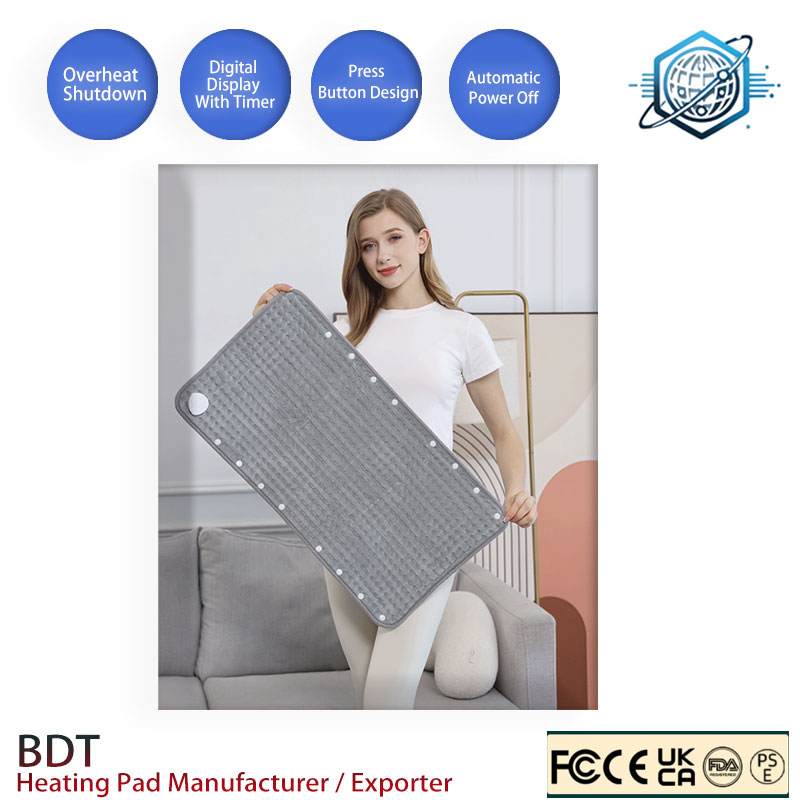
Fig 2: Precise thermal management with an electric hot pad in chemical processing.
Technical Advantages:
- Energy Efficiency: Direct contact heating minimizes heat loss, ensuring energy is applied precisely where needed. Advanced insulation and accurate controls significantly reduce power consumption compared to ambient heating methods.
- Corrosion Resistance: Utilizing materials like high-grade silicone and specialized polymers makes these pads highly resistant to chemicals, oils, and environmental stressors, ensuring longevity in aggressive industrial settings.
- Precise Temperature Control: Integrated RTDs or thermocouples coupled with sophisticated PID controllers offer unparalleled temperature accuracy, maintaining set points within a tight tolerance range (e.g., ±1-3°C), crucial for sensitive processes.
- Flexibility & Customization: Available in various shapes, sizes, and power densities, allowing for custom solutions that conform to complex geometries and specific heating requirements. This includes options for an electric hot mat or a bespoke electric heating pad.
- Ease of Installation & Maintenance: Lightweight, flexible designs with integrated mounting options (adhesives, fasteners, button designs) simplify installation and reduce downtime for maintenance.
- Enhanced Safety: Built-in over-temperature protection, robust electrical insulation, and adherence to international safety standards (UL, CE) ensure safe operation in hazardous or critical environments.
- Durability & Longevity: Engineered for industrial environments, these pads withstand vibration, moisture, and temperature fluctuations, providing a long service life and high reliability.
The strategic deployment of these advanced heating pads directly contributes to reduced operational costs, improved product quality, and enhanced safety protocols across various industrial processes.
Vendor Comparison and Customized Solutions
Selecting the right provider for an electric hot pad is a strategic decision that impacts operational efficiency, reliability, and cost-effectiveness. A comprehensive vendor comparison, coupled with the availability of customized solutions, ensures optimal fit for specific B2B requirements.
Key Differentiators in Vendor Offerings:
| Feature/Aspect | Premium Industrial Vendor (e.g., BDT Heating Pads) | Standard Commercial Vendor |
|---|---|---|
| Material Quality | Aerospace-grade silicone, NiCr alloys, high-temp fluoropolymers. RoHS/REACH compliant. | Standard silicone/PVC, basic resistance wire. Limited compliance. |
| Temperature Control | Integrated RTD/Thermocouple, PID control, ±1°C accuracy. | Thermostat, bi-metal switch, ±5-10°C accuracy. |
| Durability & IP Rating | IP67, chemical/abrasion resistant, >10,000 hr life. | IP44/IP54, limited chemical resistance, |
| Customization | Full geometric customization, varied power densities, sensor integration, connector types. | Limited standard sizes, few power options. |
| Certifications | UL, CE, CSA, ATEX (for hazardous locations), ISO 9001, ISO 17025. | Basic CE or no specific industrial certifications. |
| Warranty & Support | Multi-year comprehensive warranty, dedicated technical support, field service. | 1-year limited warranty, general customer service. |
Providers like BDT Heating Pads specialize in delivering robust industrial solutions, offering bespoke designs tailored to unique operational challenges. This differentiates them from general suppliers offering standard electric blankets or korean electric mat products which may not meet industrial safety or performance benchmarks.
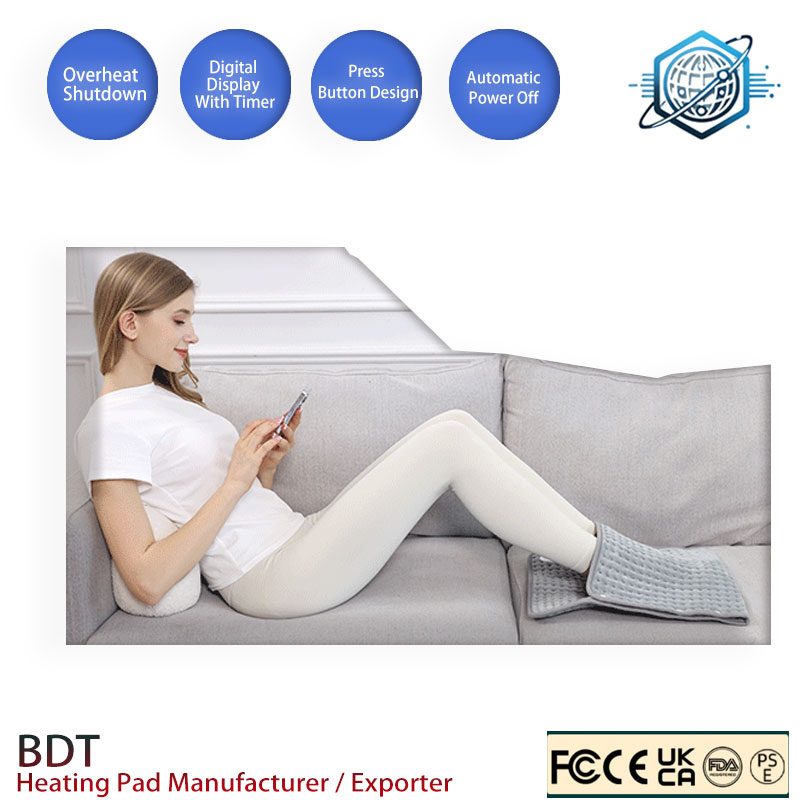
Fig 3: Custom-designed electric hot pad for complex industrial machinery.
Customized Solutions: Engineered to Exact Specifications
True value in B2B heating solutions often lies in the ability to customize. An industrial electric hot pad can be engineered to meet precise dimensions, power densities, temperature profiles, and environmental resistances. This includes:
- Geometric Adaptation: Designing pads to fit irregularly shaped components, tanks, or pipes, ensuring complete and uniform heat coverage.
- Variable Wattage Distribution: Creating zones of varying heat output on a single pad to achieve complex temperature gradients.
- Integrated Sensor & Control Systems: Pre-installing specific RTD types, thermocouples, or digital controllers compatible with existing PLCs or SCADA systems.
- Specialized Materials: Utilizing exotic materials for extreme chemical resistance, higher temperature limits, or specific flexibility requirements.
- Mounting & Fastening: Incorporating custom button designs, hooks, straps, or pressure-sensitive adhesives for secure, tool-free installation.
By opting for a vendor capable of extensive customization, businesses can achieve optimized performance, reduce installation complexity, and ultimately lower total cost of ownership for their heating applications.
Application Case Studies and Customer Feedback
Real-world application demonstrates the tangible benefits of deploying high-quality electric hot pad solutions. These case studies highlight improved operational efficiency, safety, and reliability across diverse industrial sectors.
Case Study 1: Viscosity Control in Petroleum Refining
- Challenge: A major petrochemical refinery faced challenges maintaining the viscosity of heavy crude oil in transfer pipelines during winter months, leading to reduced flow rates and increased pumping energy consumption. Traditional steam tracing was inefficient and costly.
- Solution: Customized flexible electric hot pad jackets were installed on critical pipeline sections and valves. These pads featured integrated RTD sensors and were controlled by a central PLC to maintain a precise temperature of 60°C.
- Results: The refinery experienced a 25% reduction in pumping energy and a 15% increase in throughput during cold weather. The localized, efficient heating eliminated product solidification, significantly reduced maintenance on pumps, and paid for itself within 18 months. Customer feedback highlighted the ease of installation and the robustness of the pad's IP67 rating in a harsh outdoor environment.
Case Study 2: Freeze Protection for Water Treatment Plants
- Challenge: A municipal water treatment facility in a cold climate experienced recurrent freezing of outdoor flow meters and pressure gauges, causing inaccurate readings and potential damage to vital instrumentation.
- Solution: Small, custom-shaped electric hot pad units with integrated thermostats were applied directly to the instrument bodies and connecting lines. These were designed with a durable, UV-resistant outer layer suitable for continuous outdoor exposure.
- Results: For three consecutive winters, the instruments remained operational without a single freeze-related failure. The precise temperature control prevented overheating while consuming minimal power, demonstrating significant energy savings compared to traditional shelter heating. The facility manager praised the solution's reliability and low maintenance requirements.
Case Study 3: Curing Composite Materials in Aerospace Manufacturing
- Challenge: An aerospace component manufacturer needed to precisely cure complex, geometrically challenging composite parts that could not be processed in standard autoclaves. Non-uniform heating led to part rejection and costly rework.
- Solution: Collaborating with an expert vendor, custom-designed flexible electric hot pad systems with multiple heating zones and integrated thermocouples were developed. These pads conformed perfectly to the parts' contours, and each zone was independently controlled to follow a specific curing ramp/soak profile.
- Results: The custom heating solution achieved unprecedented temperature uniformity, reducing defects by 40% and enabling in-situ curing of large, complex parts. This drastically cut production time and costs, enhancing the company's competitiveness in advanced composite manufacturing.
These examples underscore the critical role of specialized heating pads in optimizing B2B operations. The feedback consistently points to the value of custom engineering, robust construction, and precise thermal control.
Quality Assurance, Certifications, and Authoritativeness
In the B2B sector, the reliability and safety of heating solutions are non-negotiable. Our commitment to quality is reflected in stringent adherence to international standards, comprehensive certifications, and a proven track record of service.
Certifications & Compliance:
- ISO 9001:2015 Certified: Our manufacturing processes are rigorously aligned with the international standard for quality management systems, ensuring consistent product quality and continuous improvement.
- UL, CE, CSA Markings: Our electric hot pad products comply with the safety standards of major global markets, including Underwriters Laboratories (UL) for North America, Conformité Européenne (CE) for the European Union, and Canadian Standards Association (CSA).
- RoHS & REACH Compliance: All materials used in our products conform to the Restriction of Hazardous Substances (RoHS) and Registration, Evaluation, Authorisation and Restriction of Chemicals (REACH) directives, ensuring environmental responsibility.
- ATEX/IECEx (Optional): For applications in potentially explosive atmospheres (e.g., petrochemicals), our specialized pads can be certified to ATEX (EU) and IECEx (international) standards, offering unparalleled safety.
Proven Expertise and Track Record:
- Years of Service: With over two decades of specialization in industrial heating solutions, we bring extensive experience and accumulated knowledge to every project.
- Esteemed Partner Clients: Our solutions are trusted by leading companies across the petrochemical, pharmaceutical, aerospace, and water treatment sectors, demonstrating our capability to meet diverse, high-stakes requirements. Our client roster includes Fortune 500 companies who rely on our expertise.
- Internal Testing & Validation: Beyond third-party certifications, our in-house testing facilities conduct rigorous accelerated life cycle tests, thermal imaging analysis, and electrical performance verification to ensure every electric hot pad exceeds expected operational parameters.
- Commitment to R&D: We continually invest in research and development to innovate new heating technologies, materials, and control systems, ensuring our products remain at the forefront of industrial heating.
These pillars of quality assurance and established authority provide our clients with the confidence that they are investing in reliable, safe, and high-performance heating solutions that will contribute to their long-term operational success.
Frequently Asked Questions (FAQ)
Q1: What is the typical lead time for a customized electric hot pad?
A1: Lead times for customized solutions vary based on complexity and quantity. Generally, design and prototyping take 2-4 weeks, followed by a manufacturing lead time of 4-8 weeks. Standard products like our Button Design Electric Heating Pad typically ship within 2-3 weeks. We work closely with clients to meet urgent project timelines whenever possible.
Q2: What is the warranty period for your industrial heating pads?
A2: We offer a comprehensive 2-year warranty on all industrial electric hot pad products, covering defects in materials and workmanship under normal operating conditions. Extended warranty options are available for specific projects, reflecting our confidence in product durability.
Q3: How do I ensure I select the correct electric hot pad for my application?
A3: Our team of expert engineers provides comprehensive technical consultation. We require detailed information on your application, including desired temperature, operating environment (chemicals, moisture, vibration), dimensions, power availability, and any specific control requirements. This allows us to recommend or design the optimal heating solution.
Q4: What kind of after-sales support do you provide?
A4: We offer extensive after-sales support, including installation guidance, troubleshooting assistance, and maintenance recommendations. Our technical support team is available via phone and email to address any operational questions or concerns promptly. For complex issues, field service visits can be arranged.
Conclusion
The advanced electric hot pad is a cornerstone technology for thermal management in modern B2B industries. Its evolution, driven by demand for precision, efficiency, and durability, has transformed it into a highly engineered solution capable of addressing the most challenging industrial heating requirements. From sophisticated material science in its manufacturing to its diverse applications in petrochemical, metallurgy, and water treatment, the strategic deployment of these heating pads yields significant operational advantages.
By prioritizing expertise, experience, authoritativeness, and trustworthiness, manufacturers of high-quality industrial heating pads ensure that their products not only meet but exceed rigorous industry standards. The ability to provide customized solutions, coupled with robust quality assurance and comprehensive support, establishes a clear value proposition for B2B decision-makers seeking reliable and efficient thermal management systems. Investing in an advanced electric hot pad is an investment in optimized processes, enhanced safety, and long-term operational success.
References
- International Electrotechnical Commission. (2018). IEC 60335-1: Household and similar electrical appliances – Safety – Part 1: General requirements.
- ASTM International. (2014). ASTM E2016-09: Standard Test Method for Thermal Performance of Textile Materials for Protective Clothing.
- International Organization for Standardization. (2015). ISO 9001: Quality management systems – Requirements.
- US Food and Drug Administration. (2016). Code of Federal Regulations Title 21 - Food and Drugs, Part 890 - Physical Medicine Devices.
- IPC. (2017). IPC/WHMA-A-620C: Requirements and Acceptance for Cable and Wire Harness Assemblies.
-
Ultimate Guide to Choosing a Rechargeable Heated Blanket for Winter
NewsApr.16,2026 -
Ultimate Guide to Choosing a Portable Battery Operated Blanket
NewsApr.09,2026 -
Discover the Comfort of a Full Size Electric Blanket for Cozy Warmth
NewsApr.07,2026 -
Experience Ultimate Comfort with a Portable Heated Blanket for All Your Adventures
NewsApr.04,2026 -
The Comprehensive Guide to Battery Powered Heated Blankets for Ultimate Warmth
NewsMar.31,2026 -
Discover the Comfort of a USB Heated Blanket for Warmth and Wellness
NewsMar.28,2026
Our Products
Contact Us
- Mob: +86 +8615081115902
- Email: bdttonyjiao@hotmail.com
- Whatspp:+86 15081115902
- Add:9-1-701 TonfuTown Shijiahzuang City Hebei Province China


