
- bdttonyjiao@hotmail.com
- +86 +8615081115902
- 9-1-701 TonfuTown Shijiahzuang City Hebei Province China
Sep . 19, 2025 18:50 Back to list
Premium K EDTA Tube: Accurate Blood Collection & Lab Tests
Advancing Clinical Diagnostics with High-Precision Blood Collection Tubes
In the realm of modern clinical diagnostics, the integrity of a blood sample is paramount to accurate testing and patient safety. Central to this is the quality of blood collection tubes, particularly those employing anticoagulants. Our focus today is on the k edta tube, a critical component in hematology and various molecular diagnostic applications. These tubes, often referred to as K2 EDTA vacutainer tubes or K2EDTA blood collection tubes, are meticulously engineered to preserve blood cell morphology and prevent coagulation, ensuring reliable laboratory results. This comprehensive overview delves into the technical specifications, application intricacies, and market dynamics surrounding these essential medical devices, providing a B2B perspective for procurement specialists, laboratory managers, and healthcare professionals.
Industry Trends in Blood Collection Technologies
The landscape of clinical diagnostics is continually evolving, driven by demands for greater accuracy, efficiency, and patient safety. Key industry trends impacting the use and development of k edta tubes include a surge in demand for automation-compatible solutions, an increased focus on sterile barrier systems to prevent contamination, and the integration of smart technologies for sample tracking. Furthermore, there's a growing emphasis on environmentally friendly materials and reduced biological waste. The global market for blood collection tubes is projected to reach significant figures, with anticoagulated tubes, including k2 edta vacutainer tubes, comprising a substantial segment due to their indispensable role in complete blood count (CBC) and blood banking. Innovations also include improved stoppers for better vacuum retention and advanced additive formulations for extended sample stability, critical for diverse analytical platforms.
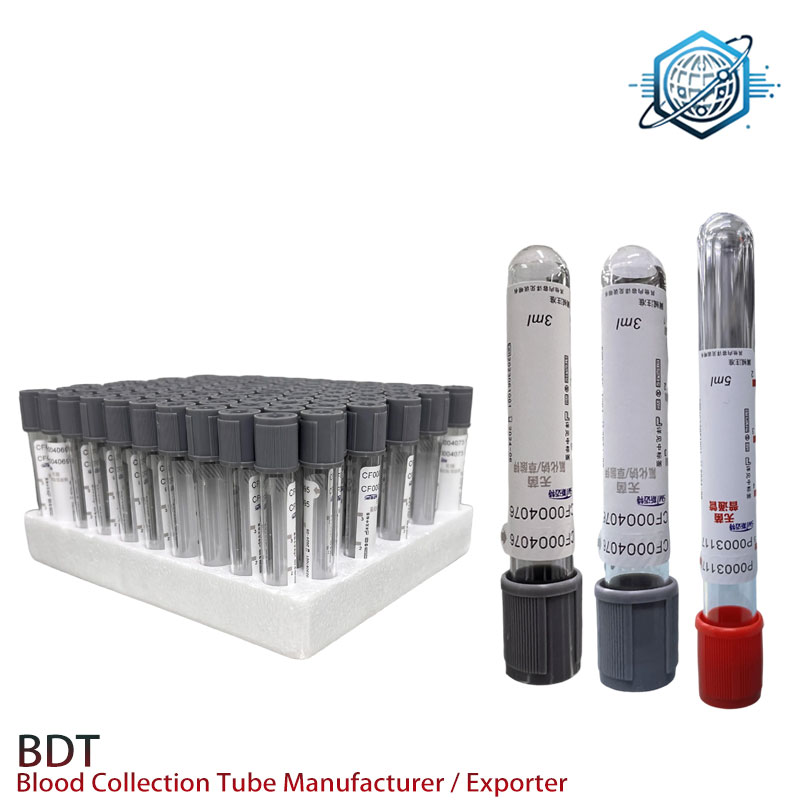
Image: Distinction between plain and K2 EDTA tubes, emphasizing proper identification.
Manufacturing Process of a High-Quality K2 EDTA Tube
The production of a reliable k edta tube is a highly precise and regulated process, ensuring consistent quality and performance. Our EDTAK2 tubes adhere to stringent manufacturing protocols. Below is a simplified schematic of the key stages:
1. Material Selection
Utilizing medical-grade polyethylene terephthalate (PET) for plastic tubes or high-quality borosilicate glass for glass tubes. Stoppers are typically made from inert bromobutyl rubber.
2. Tube Forming & Cleaning
Precision molding for PET tubes; thorough ultrasonic washing and drying for glass tubes to ensure cleanliness.
3. EDTA Application
A precise amount of K2 EDTA solution is spray-dried onto the inner surface of the tube, ensuring a homogeneous coating for optimal anticoagulation.
4. Vacuum Formation
Tubes are evacuated to a precise, pre-set vacuum pressure to ensure accurate blood draw volumes, a critical factor for laboratory test result integrity.
5. Stopper Insertion & Sealing
Stoppers are securely inserted to maintain vacuum and prevent leakage, often using automated machinery for consistency.
6. Sterilization & QC
Tubes undergo gamma irradiation for sterilization. Extensive quality control checks for vacuum, leakage, and additive integrity are performed before packaging.
Our manufacturing adheres to international testing standards such as ISO 6710 (Single-use container111s for human venous blood specimen collection) and CLSI (Clinical and Laboratory Standards Institute) guidelines, guaranteeing a superior service life and consistent performance for our k edta tubes. Target industries primarily include clinical diagnostics, hospitals, blood banks, and research institutions where precise blood sample collection is non-negotiable.
Technical Specifications: EDTAK2 Tubes
Our EDTAK2 tubes are engineered for optimal performance in hematology. The k2 edta tube use is primarily for preserving cellular components and inhibiting coagulation for accurate diagnostic tests. Below are the detailed specifications:
| Parameter | Specification (EDTAK2) | Industry Standard Compliance |
|---|---|---|
| Tube Material | Medical-grade PET (Polyethylene Terephthalate) | Pharmacopoeial Grades |
| Anticoagulant | K2 EDTA (Dipotassium Ethylenediaminetetraacetate) | ISO 6710, CLSI H1-A6 |
| Anticoagulant Concentration | 1.8 mg K2 EDTA per mL blood | CLSI H1-A6 |
| Available Draw Volumes | 2mL, 3mL, 4mL, 5mL, 6mL | ISO 6710 |
| Tube Dimensions (Typical) | 13x75mm, 13x100mm, 16x100mm | ISO 6710 |
| Cap Color | Lavender (Purple) | ISO 6710 (Color Coding) |
| Sterilization Method | Gamma Irradiation | ISO 11137 |
| Shelf Life | 18-24 months from manufacturing | Manufacturer validated |
| Packaging | Racks of 100, 1000 tubes/case | Standard Industry Practice |
The precise vacuum ensures consistent blood draw, mitigating the risk of under-filling or over-filling, which can significantly affect the blood-to-anticoagulant ratio and consequently, test results. Our K2 EDTA tubes are designed for seamless integration into automated laboratory systems, enhancing throughput and reducing manual handling errors.
Application Scenarios and Technical Advantages
The versatility of k edta tubes makes them indispensable across a broad spectrum of medical and research applications. Their primary function is to provide an anticoagulated whole blood sample suitable for hematology testing, where cellular components must be preserved in their native state.
- Complete Blood Count (CBC): The most common application, providing data on red blood cells, white blood cells, and platelets. The K2 EDTA prevents clotting without altering cell morphology, which is crucial for differential counts.
- Blood Film Preparation: For microscopic examination of blood cells, enabling diagnosis of various hematological disorders.
- Blood Grouping and Cross-matching: Essential for transfusion medicine, as K2 EDTA prevents agglutination caused by clotting factors while allowing red cell antigen-antibody reactions.
- Molecular Diagnostics: Used for DNA extraction from whole blood, enabling PCR-based tests for genetic disorders, infectious diseases, and oncology.
- Flow Cytometry: For immunophenotyping of various cell populations, where cell integrity is paramount.
Technical advantages of using high-quality k2 edta blood collection tubes like our EDTAK2 product include:
- Superior Cell Preservation: Our tubes ensure minimal cell shrinkage or swelling, maintaining cell morphology for up to 24 hours at room temperature, critical for accurate automated and manual differential counts.
- Consistent Vacuum Integrity: Each tube guarantees the precise draw volume, minimizing the risk of dilution or excessive anticoagulant, which can skew test results.
- Inert Materials: The use of medical-grade PET and inert stoppers ensures no interference with diagnostic assays or patient samples.
- Extended Shelf Life: Optimized manufacturing processes and sterilization techniques provide a stable product with a long shelf life, reducing waste and inventory management challenges.
- Enhanced Safety Features: Our tubes are designed to integrate with safety-engineered blood collection devices, reducing needle-stick injuries and exposure risks for healthcare personnel.
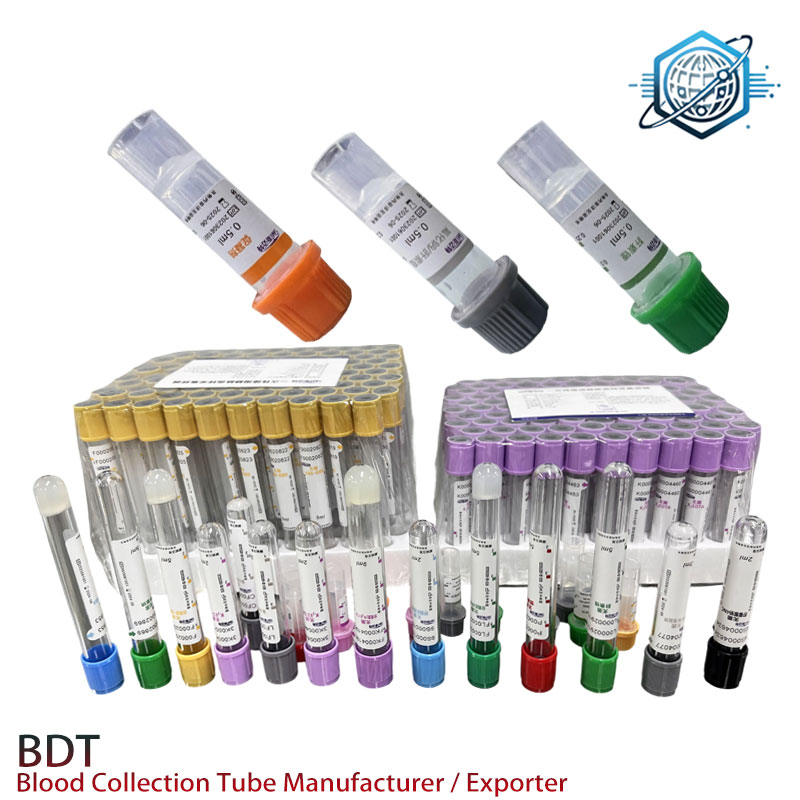
Image: Range of blood collection tubes, highlighting the importance of correct tube selection.
Vendor Comparison: Ensuring Quality and Reliability
Choosing the right supplier for k edta tubes is a strategic decision that impacts laboratory efficiency, diagnostic accuracy, and ultimately, patient outcomes. While many vendors offer blood collection tubes, key differentiators exist in manufacturing consistency, adherence to standards, and customer support. Below is a comparison table highlighting essential factors:
| Feature/Criterion | Our EDTAK2 Tubes | Generic Vendor A | Generic Vendor B |
|---|---|---|---|
| Anticoagulant Purity | >99% USP Grade K2 EDTA | Standard Pharmaceutical Grade | Industrial Grade EDTA |
| Vacuum Consistency | CV < 1.5% across batches | CV < 3% | CV < 5% (variable) |
| Cell Morphology Preservation | Stable for 24h at 18-25°C (CLSI H20-A2) | Stable for 12-18h | Variable stability |
| Sterilization Validation | Validated Gamma Irradiation (SAL 10^-6) | Gamma Sterilized (less rigorous validation) | EO gas or non-validated |
| Certifications | ISO 13485, CE, FDA Registered | CE Marked (basic) | Regional certifications only |
| Customization Options | Extensive (labeling, volumes, cap colors) | Limited to standard offerings | None |
Our commitment to quality is reflected in our adherence to global regulatory standards and our transparent manufacturing processes. Partnering with us means gaining access to products that not only meet but often exceed industry benchmarks for safety and performance.
Customized Solutions for Specialized Needs
Recognizing that unique laboratory requirements exist, we offer extensive customization options for our k edta tubes. This flexibility extends beyond standard configurations, allowing institutions to tailor products precisely to their operational workflows and specific research or diagnostic protocols.
- Volume Variations: While standard volumes are common, we can provide tubes with precise fill volumes optimized for specific assays or pediatric draws, ensuring accurate blood-to-anticoagulant ratios.
- Custom Labeling and Barcoding: For enhanced traceability and automation, we offer custom labels, including specific facility information, logos, and advanced 2D barcodes compatible with various LIS (Laboratory Information System) and automation platforms.
- Cap Color and Material: Beyond the standard lavender cap for k2 edta tan top tube alternatives for specific research studies or internal coding systems are possible. We can also explore different stopper materials for specialized chemical resistance if required.
- Packaging Configurations: From bulk sterile packaging to specific rack layouts for automated systems, our packaging solutions can be adapted to streamline laboratory operations and reduce prep time.
Our team of technical experts collaborates closely with clients to understand their unique needs, ensuring that customized solutions maintain the same high standards of quality and performance as our off-the-shelf products. This partnership approach enables laboratories to optimize their workflows and enhance diagnostic precision.
Application Case Studies
Our EDTAK2 tubes have been successfully deployed in numerous demanding clinical environments, consistently delivering reliable performance. These case studies highlight their real-world impact:
Case Study 1: Large Academic Medical Center
A major academic medical center implemented our EDTAK2 tubes across its hematology and transfusion medicine departments. Previously, they faced issues with inconsistent draw volumes and occasional hemolysis, leading to redraws and delays. After transitioning to our tubes, the center reported a 15% reduction in sample rejection rates due to accurate fill volumes and optimized anticoagulant concentration. Automated differential counts showed greater consistency, supporting timely and accurate patient diagnoses. Laboratory staff praised the robust design and clear labeling, enhancing workflow efficiency.
Case Study 2: Regional Blood Bank Network
A network of regional blood banks utilized our customized k edta tubes with specialized barcoding. This customization allowed for seamless integration into their existing LIS and automation systems, significantly improving sample tracking and reducing manual data entry errors. The consistent cell preservation properties were vital for their extensive blood grouping and cross-matching operations, contributing to a 20% improvement in sample processing time and ensuring the integrity of donor and patient samples for safe transfusions.
Case Study 3: Molecular Research Laboratory
A molecular research laboratory focusing on genetic disease markers required tubes that guaranteed minimal DNA degradation and excellent cell yield for extraction. Our EDTAK2 tubes, with their high-purity anticoagulant and inert materials, demonstrated superior performance compared to competitor products. Researchers consistently achieved higher quality and quantity of DNA extracts, leading to more reliable PCR and sequencing results, thereby accelerating their research timelines and data integrity. This directly contributed to several peer-reviewed publications within a year.
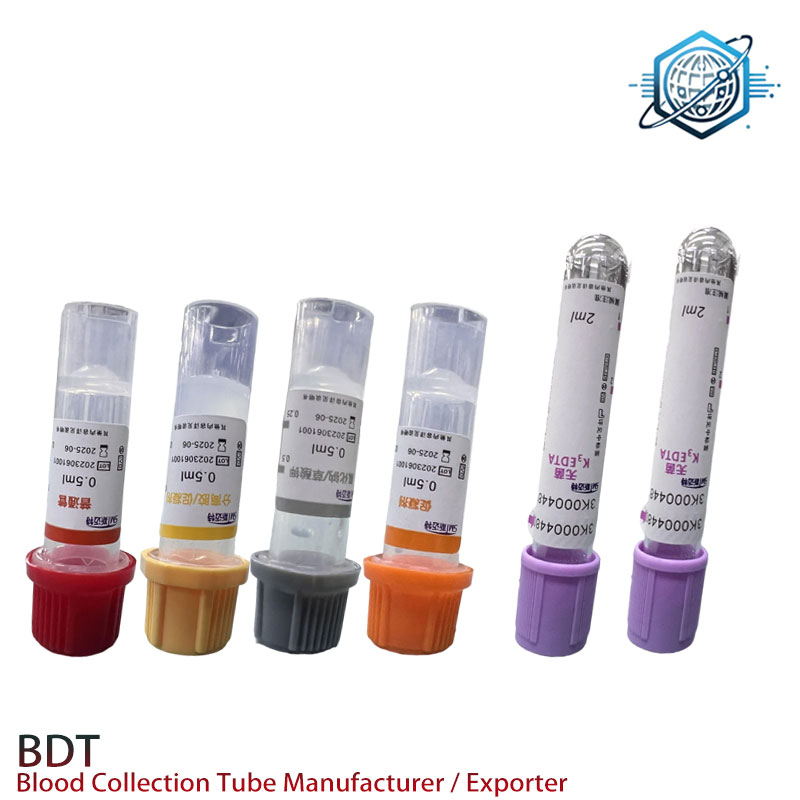
Image: K2 EDTA blood collection tubes, essential for maintaining sample integrity.
Frequently Asked Questions (FAQ)
Q1: What is the primary difference between K2 EDTA and K3 EDTA?
A: Both K2 EDTA and K3 EDTA are effective anticoagulants. K2 EDTA is recommended by the CLSI (Clinical and Laboratory Standards Institute) as it causes less red blood cell shrinkage and interference in some analytical tests compared to K3 EDTA. K2 EDTA is spray-dried on the tube walls, minimizing dilution, while K3 EDTA is typically in liquid form or higher concentration, which can slightly dilute the sample. Our EDTAK2 tubes use K2 EDTA for superior cell preservation.
Q2: What is the recommended inversion protocol for K2 EDTA tubes?
A: After blood collection, K2 EDTA tubes should be gently inverted 8-10 times immediately to ensure complete mixing of the blood with the anticoagulant. Vigorous shaking can cause hemolysis and compromise sample integrity.
Q3: How long can samples collected in K2 EDTA tubes be stored before testing?
A: For most routine hematology tests (e.g., CBC), samples collected in K2 EDTA tubes are stable for up to 24 hours at room temperature (18-25°C) and up to 48 hours when refrigerated (2-8°C). However, specific tests may have shorter stability periods. Always refer to the specific assay's validation guidelines.
Q4: Are your K2 EDTA tubes compatible with automated laboratory systems?
A: Yes, our EDTAK2 tubes are designed for seamless compatibility with most automated hematology analyzers and laboratory automation systems. Their consistent dimensions, robust design, and high-quality stoppers ensure reliable processing and scanning.
Lead Time, Warranty, and Customer Support
We understand the critical nature of timely supply and robust support for medical consumables. Our commitment extends beyond product quality to ensure a seamless procurement and usage experience.
- Lead Time & Fulfillment: Standard orders for our EDTAK2 tubes are typically fulfilled within 2-4 weeks, depending on order volume and customization requirements. For urgent needs or large-volume contracts, we offer expedited shipping options and maintain strategic inventory levels to ensure continuity of supply. Our global distribution network ensures efficient delivery to various regions.
- Warranty Commitments: All our k edta tubes are covered by a comprehensive quality warranty, guaranteeing products free from manufacturing defects and meeting all specified performance parameters for their stated shelf life. Should any product fail to meet these standards, we are committed to prompt replacement or credit.
- Customer Support: Our dedicated customer support team and technical specialists are available to assist with product inquiries, technical specifications, order placement, and post-sales support. We provide responsive assistance via phone, email, and dedicated account managers to ensure any concerns are addressed swiftly and effectively. We also offer training materials and resources to optimize the k2 edta tube use in your facility.
For detailed inquiries or to discuss specific needs, please do not hesitate to contact our sales or technical support teams. We are committed to building long-term, trust-based partnerships with our clients.
References
- Clinical and Laboratory Standards Institute. (2018). Collection of Diagnostic Blood Specimens by Venipuncture; Approved Standard—Seventh Edition. CLSI document GP41. Wayne, PA: Clinical and Laboratory Standards Institute.
- International Organization for Standardization. (2018). ISO 6710:2017, Single-use container111s for human venous blood specimen collection. Geneva, Switzerland: ISO.
- Lippi, G., & Plebani, M. (2015). EDTA-Anticoagulated Blood Samples: An Important Source of Preanalytical Variability. Critical Reviews in Clinical Laboratory Sciences, 52(6), 253-264.
- National Committee for Clinical Laboratory Standards. (2001). Procedures for the Collection of Diagnostic Blood Specimens by Venipuncture; Approved Standard—Fifth Edition. NCCLS document H3-A5. Wayne, PA: NCCLS.
-
Ultimate Guide to Choosing a Rechargeable Heated Blanket for Winter
NewsApr.16,2026 -
Ultimate Guide to Choosing a Portable Battery Operated Blanket
NewsApr.09,2026 -
Discover the Comfort of a Full Size Electric Blanket for Cozy Warmth
NewsApr.07,2026 -
Experience Ultimate Comfort with a Portable Heated Blanket for All Your Adventures
NewsApr.04,2026 -
The Comprehensive Guide to Battery Powered Heated Blankets for Ultimate Warmth
NewsMar.31,2026 -
Discover the Comfort of a USB Heated Blanket for Warmth and Wellness
NewsMar.28,2026
Our Products
Contact Us
- Mob: +86 +8615081115902
- Email: bdttonyjiao@hotmail.com
- Whatspp:+86 15081115902
- Add:9-1-701 TonfuTown Shijiahzuang City Hebei Province China


