
- bdttonyjiao@hotmail.com
- +86 +8615081115902
- 9-1-701 TonfuTown Shijiahzuang City Hebei Province China
Sep . 19, 2025 10:35 Back to list
Premium Separator Gel Blood Collection Tube for Accurate Results
Introduction to Advanced Blood Collection Technology
In modern clinical diagnostics, the quality and integrity of blood samples are paramount for accurate test results. The evolution of blood collection devices has significantly advanced patient care, with specialized tubes playing a critical role. Among these innovations, the separator gel blood collection tube stands out as a fundamental component for obtaining high-quality plasma or serum samples. These advanced tubes are engineered to efficiently separate blood components, minimizing hemolysis and ensuring sample stability, which is crucial for a wide array of laboratory analyses, from routine biochemistry to specialized immunoassay testing.
The core functionality of these tubes relies on a thixotropic gel that, after centrifugation, forms a stable barrier between the cellular components (red blood cells, white blood cells, platelets) and the plasma or serum. This barrier prevents metabolic exchange and contamination, thereby extending the stability of analytes. Our discussion will delve into the intricate details of these essential diagnostic tools, exploring their manufacturing, applications, and the benefits they bring to healthcare institutions worldwide.
Industry Trends and Market Dynamics
The global market for blood collection tubes, particularly advanced varieties like the separator gel blood collection tube, is experiencing robust growth driven by increasing demand for diagnostic tests, rising prevalence of chronic diseases, and technological advancements in medical laboratories. A significant trend is the shift towards integrated blood collection and processing systems that streamline workflows and enhance sample integrity. Innovations in gel formulations, such as those used in a lithium heparin tube with gel separator, are continuously improving separation efficiency and reducing the risk of re-mixing.
Furthermore, there is a growing emphasis on pre-analytical phase standardization, where reliable blood collection tubes play a pivotal role. The demand for tubes that ensure optimal sample quality for sensitive tests, including molecular diagnostics and proteomics, is escalating. Market projections indicate continued expansion, fueled by an aging global population and enhanced access to healthcare diagnostics in emerging economies. Manufacturers are focusing on developing tubes with improved barrier properties, extended analyte stability, and features that support automated laboratory systems, thereby enhancing overall laboratory efficiency and diagnostic accuracy.
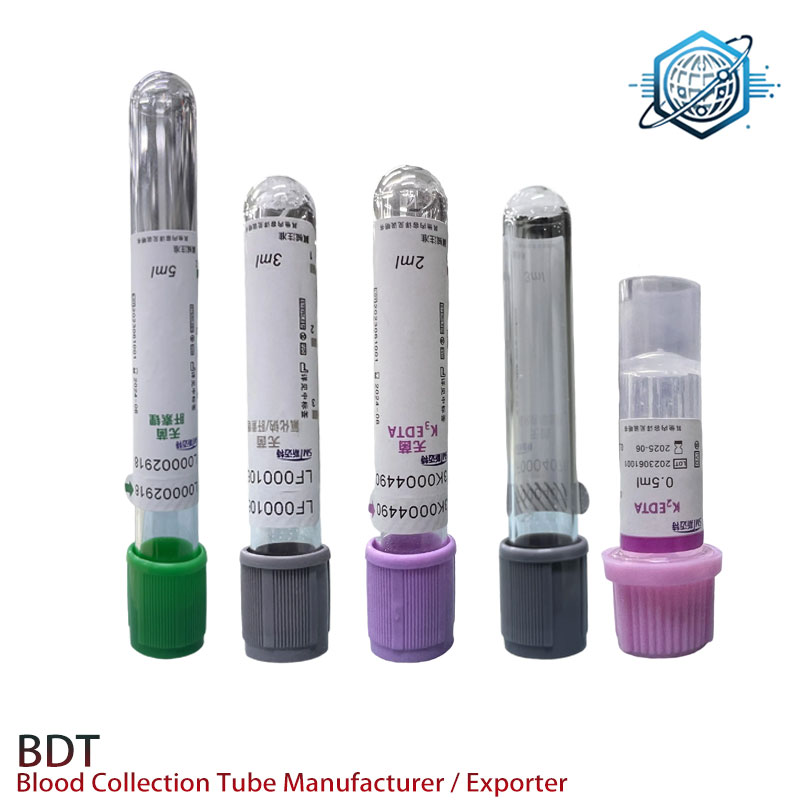
Figure 1: Illustration of various blood collection tubes, highlighting the importance of specialized designs.
Process Flow: Manufacturing of Gel Separator Blood Collection Tubes
The manufacturing of a separator gel blood collection tube is a highly controlled and precise process, ensuring the integrity and sterility required for medical diagnostics. The process typically involves several critical stages, adhering to stringent international standards such as ISO 13485 for medical devices.
1. Material Selection and Preparation
- Tube Material: Medical-grade Polyethylene Terephthalate (PET) is commonly used due to its clarity, chemical inertness, and gas barrier properties. Glass tubes are also utilized for specific applications requiring ultra-high barrier performance.
- Separator Gel: A thixotropic, inert, hydrophobic gel, typically a silicone-based polymer, is formulated to have a specific density (around 1.04 g/mL) allowing it to separate blood components effectively upon centrifugation.
- Anticoagulant/Additive: For plasma separation, anticoagulants like Lithium Heparin (e.g., in a lithium heparin tube with gel separator) are precisely measured and coated onto the inner wall. For serum separation, clot activators (e.g., silica particles) are applied.
- Stopper Material: High-quality butyl rubber or bromobutyl rubber provides an excellent seal and puncture resilience, minimizing evaporation and contamination.
2. Tube Forming and Processing
- Injection Molding/Drawing: PET tubes are typically formed via injection molding (for plastic tubes) or drawing (for glass tubes) to precise dimensions, ensuring compatibility with automated systems.
- Additive Spraying/Coating: The interior of the tube is coated with the chosen anticoagulant or clot activator using a high-precision spraying or coating technique. This ensures uniform distribution for optimal performance.
- Gel Dispensing: A specific volume of the separator gel is accurately dispensed into the bottom of each tube. This is a critical step, as incorrect gel volume can compromise separation efficiency.
- Drying/Curing: After additive and gel application, tubes undergo a drying or curing process to fix the coatings and prepare the gel for optimal performance.
3. Assembly and Sterilization
- Stopper Insertion: The pre-sterilized rubber stoppers are mechanically inserted into the tubes, creating a vacuum. The vacuum level is meticulously controlled to ensure accurate blood draw volumes (e.g., 5mL, 10mL).
- Labeling and Packaging: Tubes are labeled with product information, batch numbers, and expiry dates, then packed in sterile, sealed container111s.
- Sterilization: The final packed products typically undergo sterilization, commonly using electron beam irradiation (E-beam) or gamma irradiation, ensuring a sterility assurance level (SAL) of 10-6, compliant with ISO 11137.
4. Quality Control and Testing
- Vacuum Retention: Tested to ensure consistent draw volume.
- Sterility Testing: Batch-wise sterility testing is performed to confirm SAL.
- Separation Efficiency: Performance tests with fresh blood samples evaluate gel barrier formation and analyte stability.
- Material Biocompatibility: All materials conform to ISO 10993 standards.
This meticulous process ensures that each separator tube meets the highest standards of quality, reliability, and safety for critical diagnostic applications. The typical service life of such tubes, indicated by their shelf life, is usually 18-24 months from the manufacturing date, ensuring long-term usability in healthcare facilities. Target industries primarily include clinical diagnostics, research laboratories, pharmaceutical companies, and blood banks.
Technical Specifications and Product Parameters
The performance of a separator gel blood collection tube is defined by its precise technical specifications, which are crucial for ensuring consistent and reliable diagnostic outcomes. Below is a detailed table outlining key parameters for our Gel Separator-Heparin Sodium product, a type of lithium heparin tube with gel separator.
Product Specification Table: Gel Separator-Heparin Sodium Tube
| Parameter | Specification | Standard/Tolerance |
|---|---|---|
| Product Name | Gel Separator-Heparin Sodium Tube | BDTHP-GS-LHT |
| Tube Material | Medical-grade PET | ISO 6710 compliant |
| Additive | Lithium Heparin (12.5-30 IU/mL blood) | CLSI H1-A6 |
| Separator Gel Type | Thixotropic Polymer Gel | Density 1.04 ± 0.005 g/mL |
| Tube Dimensions | 13 x 75 mm, 13 x 100 mm, 16 x 100 mm | ± 0.2 mm |
| Draw Volume | 2 mL, 3 mL, 4 mL, 5 mL, 6 mL, 8 mL, 10 mL | ± 10% (CLSI H3-A6) |
| Cap Color | Green (ISO 6710) | Standard for Heparin Tubes |
| Centrifugation Speed | 1300-2000 RCF for 10-15 minutes | Optimal separation |
| Analyte Stability | Up to 48 hours for common analytes (refrigerated) | CLSI GP44-A4 |
| Sterility | Sterile, SAL 10-6 | ISO 11137 |
| Shelf Life | 18 months | Controlled storage conditions |
These specifications ensure that the blood green plasma separator tube delivers consistent performance in various clinical settings. Our adherence to international standards like ISO and CLSI guidelines underscores our commitment to quality and reliability in diagnostic tools.
Application Scenarios and Clinical Utility
The versatility of the separator gel blood collection tube makes it indispensable across a broad spectrum of medical diagnostic applications. Its primary function is to facilitate the collection, separation, and storage of plasma or serum samples for subsequent analysis.
- Clinical Chemistry: Widely used for routine biochemical tests such as glucose, electrolytes (Na, K, Cl), liver function tests (ALT, AST, ALP, bilirubin), kidney function tests (creatinine, BUN), lipid profiles (cholesterol, triglycerides), and cardiac markers. The stable barrier formed by the gel prevents cellular metabolism from altering analyte concentrations, which is critical for accurate results.
- Immunology and Serology: Essential for serological testing for infectious diseases (e.g., HIV, Hepatitis, Syphilis), autoantibody detection, and hormone assays (e.g., thyroid hormones, steroids). The clear plasma/serum obtained minimizes interference in immunoassay reactions.
- Therapeutic Drug Monitoring (TDM): For monitoring drug levels in patient's blood to optimize dosing and minimize toxicity. The consistent sample quality provided by the separator tube is vital for precise drug concentration measurements.
- Emergency Departments (ED): In critical care and emergency settings, rapid and reliable diagnostic results are paramount. The ability of the gel tube to quickly provide a clean plasma or serum sample after centrifugation aids in faster turnaround times for urgent tests.
- Research and Development: Researchers utilize these tubes for collecting and storing samples for biomarker discovery, drug development studies, and various clinical trials, where sample integrity over time is crucial.
The efficiency and reliability of these tubes in creating a stable barrier between plasma/serum and cellular components contribute significantly to preventing pre-analytical errors, thereby upholding the accuracy and trustworthiness of diagnostic reports. This is particularly evident in scenarios requiring prolonged sample storage before analysis.
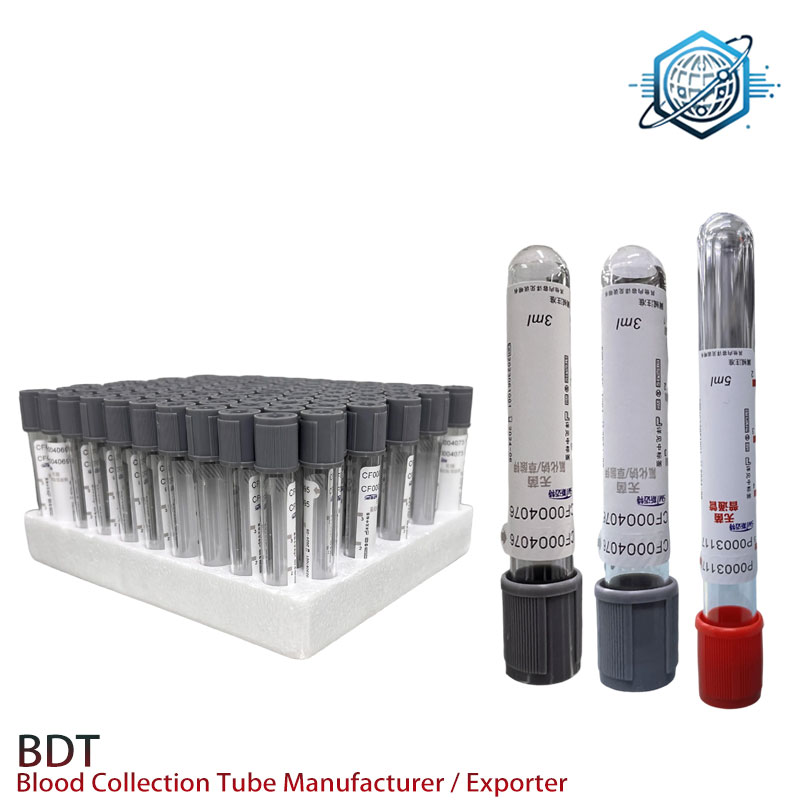
Figure 2: Comparative display of various blood collection tube types, emphasizing specialized functionalities.
Technical Advantages and Performance Excellence
The inherent design and material science behind the separator gel blood collection tube offer several distinct technical advantages over conventional plain tubes, significantly impacting laboratory efficiency and diagnostic accuracy.
- Optimal Sample Integrity: The thixotropic gel forms a physical barrier post-centrifugation, preventing contact between serum/plasma and blood cells. This minimizes cellular metabolism of analytes (e.g., glucose consumption by red blood cells), reduces analyte shifts (e.g., potassium leakage from cells), and prevents potential interference from cellular components in analytical assays. This is particularly crucial for tests where prolonged contact with cells can lead to erroneous results.
- Enhanced Analyte Stability: By isolating the plasma/serum, the gel significantly extends the stability of many analytes, allowing for delayed analysis without compromising accuracy. This is a critical advantage for samples transported over long distances or held overnight before processing.
- Reduced Risk of Hemolysis: The smooth, inert surface of the tube and the properties of the gel are designed to minimize shear stress during blood collection and centrifugation, thereby reducing the incidence of hemolysis, which can lead to sample rejection and re-draws.
- Streamlined Workflow: These tubes allow for direct centrifugation and often eliminate the need for manual plasma/serum transfer to secondary tubes. This reduces hands-on time, decreases the risk of sample mix-ups, and streamlines laboratory workflow, especially in high-throughput environments.
- Compatibility with Automated Systems: Designed with standard dimensions and cap colors (e.g., the green cap for a blood green plasma separator tube with heparin), these tubes are fully compatible with automated blood processing and analytical platforms, enhancing efficiency and reducing manual errors.
- Cost-Effectiveness: While the initial cost might be slightly higher than plain tubes, the reduction in re-draws, improved sample quality, extended analyte stability, and streamlined workflow lead to overall cost savings in laboratory operations.
These advantages collectively contribute to higher confidence in diagnostic results, improved patient safety, and optimized laboratory operations, making the gel separator tube a superior choice for a wide range of clinical analyses.
Vendor Comparison and Competitive Edge
While many manufacturers offer variations of the separator gel blood collection tube, key differentiators often emerge in gel formulation, tube material quality, additive consistency, and vacuum control. Here's a comparison highlighting key aspects where our Gel Separator-Heparin Sodium tubes offer a competitive edge.
Comparison Table: Gel Separator Tubes
| Feature | Our Product (BDTHP Gel Separator-Heparin Sodium) | Typical Market Offering |
|---|---|---|
| Gel Barrier Stability | Superior; stable barrier up to 48 hours for most analytes. | Good; barrier integrity may degrade over 24 hours. |
| Gel Formulation | Proprietary thixotropic gel with low interference, optimized density for efficient separation. | Standard silicone-based gel, variable quality. |
| Additive Coating Uniformity | Precision-sprayed lithium heparin ensuring homogeneous distribution (CV < 2%). | Standard coating, sometimes inconsistent. |
| Tube Material & Clarity | High-clarity, medical-grade PET with excellent gas barrier properties. | Medical-grade PET, clarity and barrier performance can vary. |
| Vacuum Precision | Automated vacuum control, ensuring ±10% draw volume consistency. | Manual or semi-automated control, higher variance. |
| Certifications | ISO 13485, CE Mark, FDA registered. | May vary, sometimes only basic compliance. |
| Compatibility | Optimized for broad compatibility with major automated analyzers. | Good, but sometimes specific analyzer limitations exist. |
Our dedication to superior materials and rigorous manufacturing processes ensures that our separator tube products consistently outperform, providing laboratories with the confidence they need in their diagnostic results.
Customized Solutions and Partnership Opportunities
Recognizing the diverse and evolving needs of global healthcare providers, we offer extensive customization options for our separator gel blood collection tube products. Our flexible manufacturing capabilities allow us to tailor solutions to specific laboratory requirements, clinical protocols, or research objectives.
- Custom Tube Dimensions & Draw Volumes: While standard sizes are available, we can manufacture tubes with specific lengths and diameters, and precise vacuum levels to achieve desired blood draw volumes, optimizing them for unique instrument platforms or patient populations (e.g., pediatric draws).
- Specialized Additive Formulations: Beyond standard lithium heparin, we can integrate other anticoagulants or clot activators, or adjust their concentrations, to meet the exact analytical needs of specialized tests. This includes combinations with preservatives for specific analytes.
- Custom Gel Properties: We can modify gel density, viscosity, and chemical composition to optimize separation characteristics for unique blood matrices or specific centrifugation protocols. This ensures optimal barrier formation and minimal interference for sensitive assays.
- Private Labeling and Packaging: For larger clients and distributors, we offer private labeling services, allowing them to market our high-quality tubes under their own brand. Customized packaging solutions, including specific tray configurations or sterile packs, are also available.
- OEM Partnerships: We welcome original equipment manufacturer (OEM) collaborations, providing our expertise in blood collection technology to integrate seamlessly into diagnostic instrument systems.
Our team of dedicated R&D engineers works closely with clients to understand their precise requirements, offering technical consultation and rapid prototyping to develop tailored solutions. This collaborative approach ensures that our custom tubes not only meet but exceed performance expectations.
Application Case Studies and Customer Success
Our separator gel blood collection tube products have been successfully implemented in numerous clinical and research settings globally, consistently demonstrating their value in improving sample quality and laboratory efficiency.
Case Study 1: Large Academic Medical Center – Enhanced Analyte Stability
A major academic medical center in Europe, facing challenges with analyte degradation in routine chemistry panels due to delayed sample processing, transitioned to our Gel Separator-Heparin Sodium tubes. Previously, approximately 5% of samples required re-draws due to elevated potassium or altered glucose levels after overnight storage. Following the implementation of our tubes, the center reported a reduction in re-draw rates related to sample integrity issues by over 80%. This improvement led to significant cost savings, reduced patient discomfort from repeat venipunctures, and enhanced diagnostic confidence for time-sensitive tests. The clear barrier provided by our high-performance gel effectively maintained plasma integrity for up to 48 hours, accommodating their varied sample processing schedules.
Case Study 2: Regional Reference Laboratory – Streamlined Workflow
A high-volume regional reference laboratory processing thousands of samples daily sought to optimize its pre-analytical phase. Their existing workflow involved manual aliquoting of plasma after centrifugation from plain heparin tubes. By adopting our lithium heparin tube with gel separator, they were able to eliminate the manual aliquoting step, directly transferring the primary tube to automated analyzers. This change resulted in a 30% reduction in pre-analytical turnaround time, decreased labor costs by 15%, and a measurable drop in sample handling errors. Laboratory staff reported improved morale due to reduced repetitive tasks and a cleaner, more efficient workstation.
Case Study 3: Global Pharmaceutical Company – Reliable Sample Archiving
A leading pharmaceutical company conducting a multi-center clinical trial required extremely stable plasma samples for long-term archiving and future biomarker analysis. They selected our specialized blood green plasma separator tube for its proven capability to maintain sample integrity over extended periods. Independent validation studies performed by the company confirmed that critical biomarkers remained stable for over one year when stored in our gel separator tubes at -20°C, significantly outperforming other commercially available tubes. This reliability was crucial for the successful completion of their trial and subsequent drug development efforts.
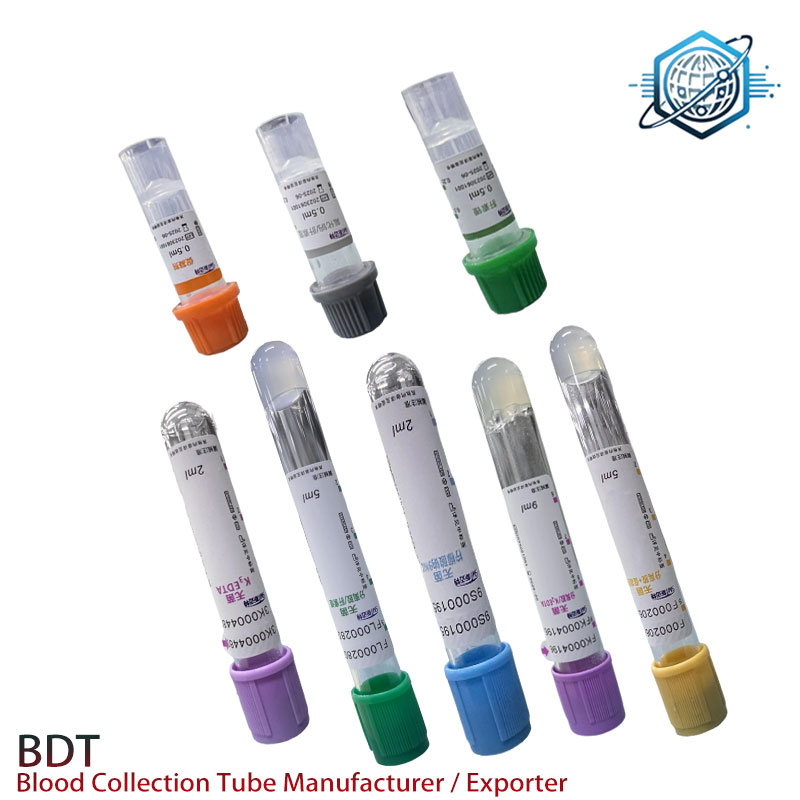
Figure 3: Detailed view of a plain tube with clot activator, illustrating the internal components common to advanced blood collection systems.
Frequently Asked Questions (FAQ)
- Q1: What is the primary advantage of a separator gel blood collection tube over a plain tube?
- A1: The primary advantage is the inert gel barrier that forms between the cellular components and the serum/plasma after centrifugation. This barrier prevents metabolic exchange and contamination, ensuring long-term analyte stability and reducing the need for immediate aliquoting, thereby improving sample integrity and laboratory workflow.
- Q2: How does a lithium heparin tube with gel separator work?
- A2: This tube contains lithium heparin as an anticoagulant, preventing blood coagulation. During centrifugation, the thixotropic gel moves upwards to form a stable physical barrier between the plasma (supernatant) and the cellular blood components (pellet). This allows for easy and clean separation of plasma for analysis.
- Q3: Are these tubes compatible with all automated analyzers?
- A3: Our tubes are designed and manufactured to meet ISO and CLSI standards for dimensions and properties, ensuring broad compatibility with most major automated clinical chemistry and immunoassay analyzers. However, specific instrument validation is always recommended to ensure optimal performance within your laboratory's specific setup.
- Q4: What is the shelf life and proper storage for these tubes?
- A4: Our Gel Separator-Heparin Sodium tubes have a typical shelf life of 18 months from the date of manufacture. They should be stored at room temperature (4-25°C) in their original packaging, away from direct sunlight and extreme temperatures, to maintain vacuum integrity and gel properties.
Logistics, Warranty, and Customer Support
Lead Time and Fulfillment
We maintain robust inventory levels for standard configurations of our separator gel blood collection tube. Typical lead times for standard orders range from 2-4 weeks, depending on order volume and destination. For custom orders or large-scale procurements, lead times will be communicated upon detailed request and quotation. Our efficient logistics network ensures timely and secure delivery worldwide. We utilize established and reputable shipping partners to guarantee product integrity during transit.
Warranty and Quality Assurance
All our products, including the Gel Separator-Heparin Sodium tubes, are manufactured under strict ISO 13485 certified quality management systems. We provide a comprehensive warranty against manufacturing defects for the entire stated shelf life of the product, provided storage and usage guidelines are followed. Our commitment to quality is underpinned by rigorous in-process and final product testing, adhering to international standards such as CLSI.
Dedicated Customer Support
Our dedicated customer support team is available to assist with product inquiries, technical specifications, order processing, and after-sales service. We offer multi-channel support including direct phone lines, email support, and an online portal for efficient communication. Technical specialists are on standby to provide expert guidance on product application, troubleshooting, and integration into existing laboratory workflows. Our goal is to ensure seamless operation and maximum satisfaction for all our clients globally.
Conclusion
The separator gel blood collection tube represents a cornerstone in modern clinical diagnostics, offering unparalleled advantages in sample integrity, analyte stability, and laboratory efficiency. Our Gel Separator-Heparin Sodium product embodies the pinnacle of this technology, engineered with precision and manufactured under the most stringent quality controls. By choosing our advanced blood collection solutions, laboratories and healthcare providers can enhance diagnostic accuracy, streamline operations, and ultimately improve patient care. We remain committed to innovation and excellence, continuously striving to meet the evolving demands of the global healthcare landscape.
References
- Clinical and Laboratory Standards Institute (CLSI). (2019). Collection of Diagnostic Venous Blood Specimens (GP41-A7). Wayne, PA: Clinical and Laboratory Standards Institute.
- Clinical and Laboratory Standards Institute (CLSI). (2018). Procedures for the Handling and Processing of Blood Specimens for Common Laboratory Tests (GP44-A4). Wayne, PA: Clinical and Laboratory Standards Institute.
- International Organization for Standardization (ISO). (2016). ISO 6710:2017 Single-use container111s for human venous blood specimen collection. Geneva, Switzerland: ISO.
- International Organization for Standardization (ISO). (2016). ISO 13485:2016 Medical devices — Quality management systems — Requirements for regulatory purposes. Geneva, Switzerland: ISO.
- World Health Organization (WHO). (2010). WHO Guidelines on Drawing Blood: Best Practices in Phlebotomy. Geneva, Switzerland: World Health Organization.
-
Ultimate Guide to Choosing a Rechargeable Heated Blanket for Winter
NewsApr.16,2026 -
Ultimate Guide to Choosing a Portable Battery Operated Blanket
NewsApr.09,2026 -
Discover the Comfort of a Full Size Electric Blanket for Cozy Warmth
NewsApr.07,2026 -
Experience Ultimate Comfort with a Portable Heated Blanket for All Your Adventures
NewsApr.04,2026 -
The Comprehensive Guide to Battery Powered Heated Blankets for Ultimate Warmth
NewsMar.31,2026 -
Discover the Comfort of a USB Heated Blanket for Warmth and Wellness
NewsMar.28,2026
Our Products
Contact Us
- Mob: +86 +8615081115902
- Email: bdttonyjiao@hotmail.com
- Whatspp:+86 15081115902
- Add:9-1-701 TonfuTown Shijiahzuang City Hebei Province China


