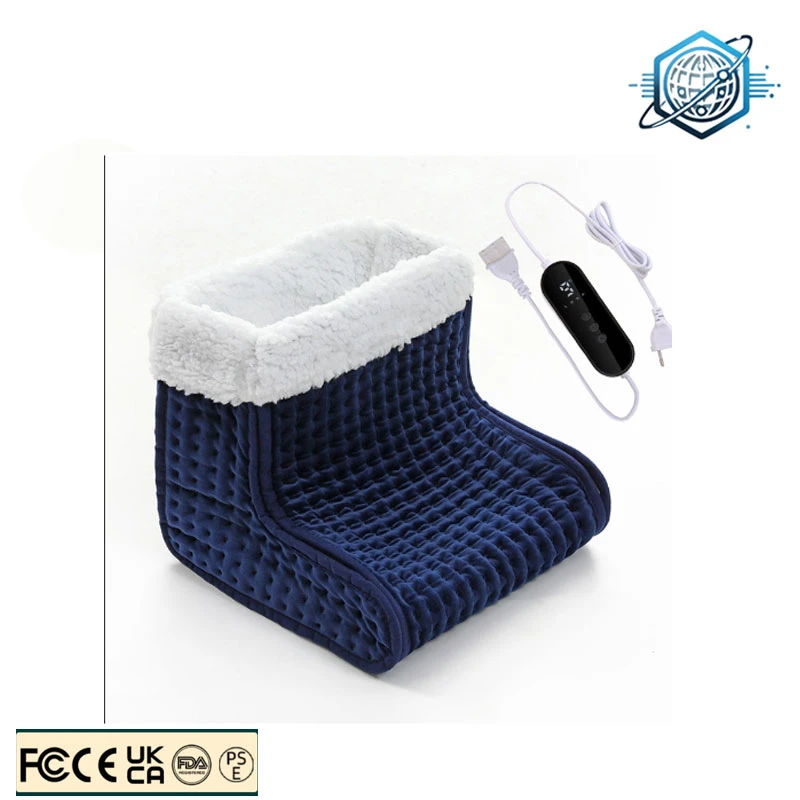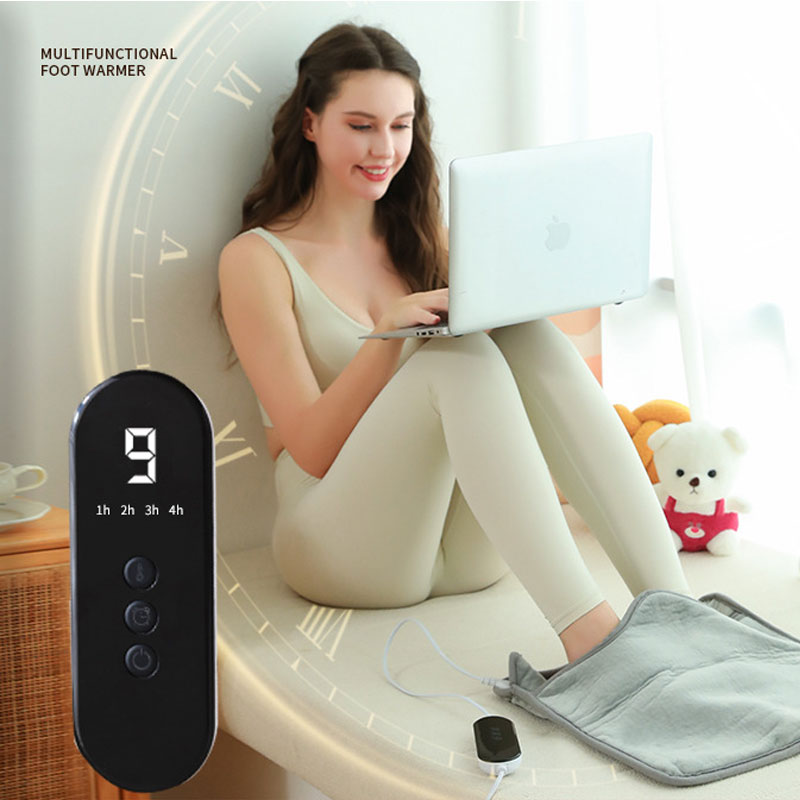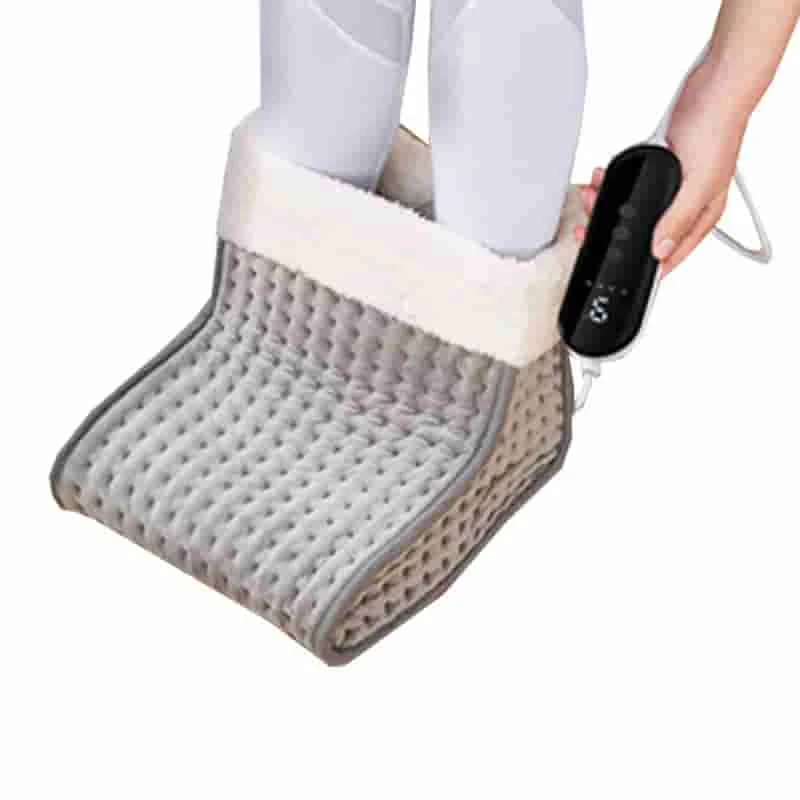
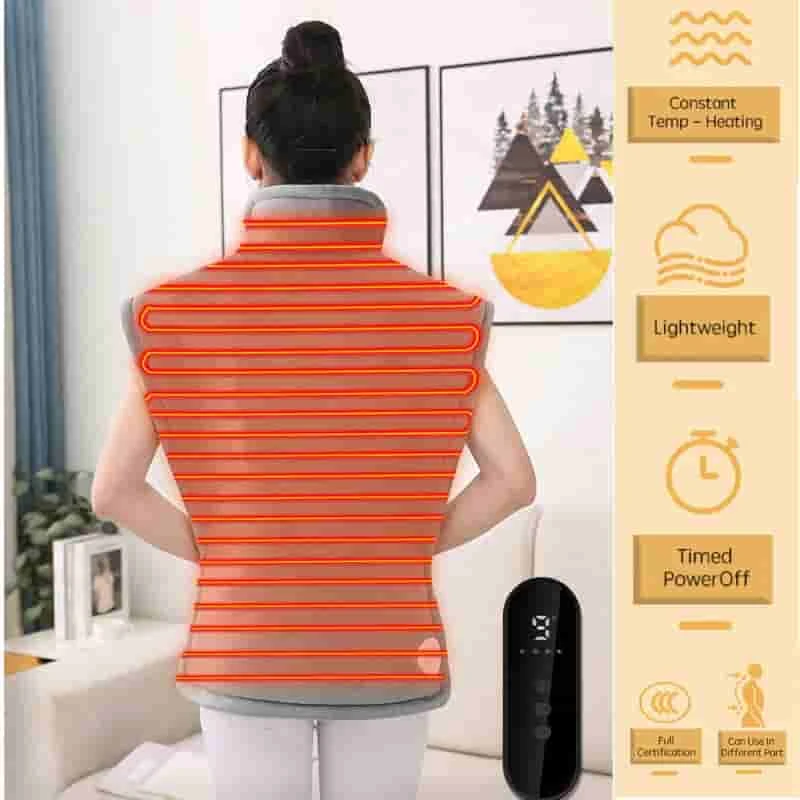
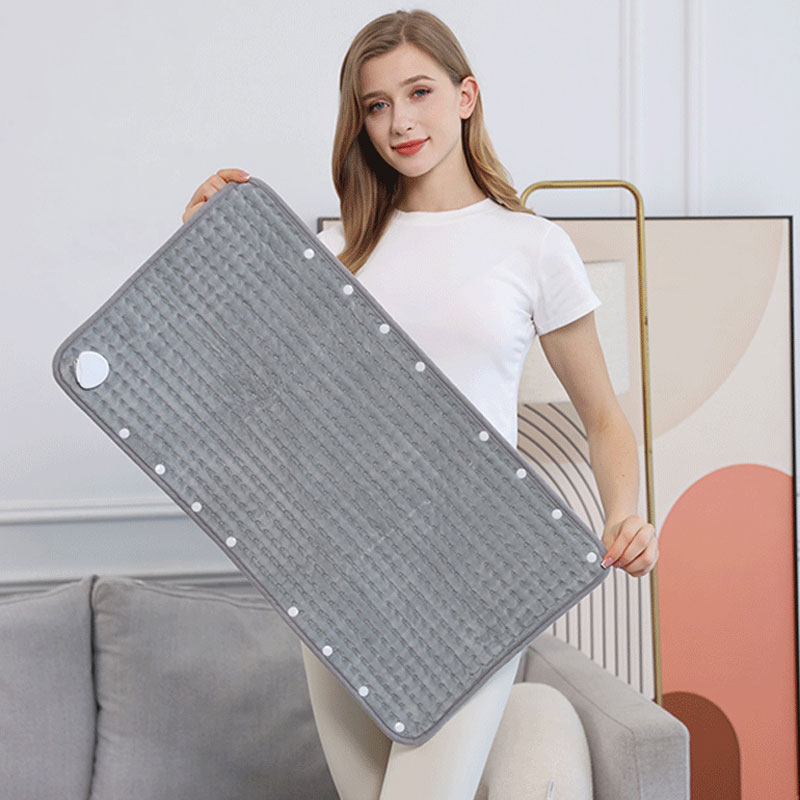
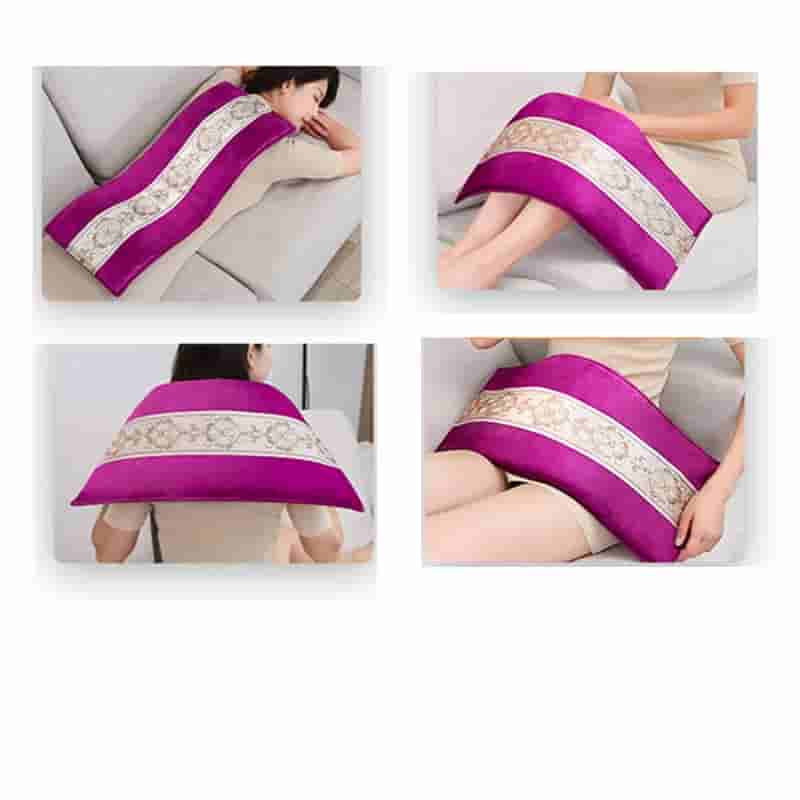
Chile's unique geography, stretching from the arid Atacama in the north to the alpine tundra of the south, creates a fragmented demand for medical devices. In the southern regions, the cold climate significantly drives the demand for body heating pad products for pain management and thermal regulation during winter months.
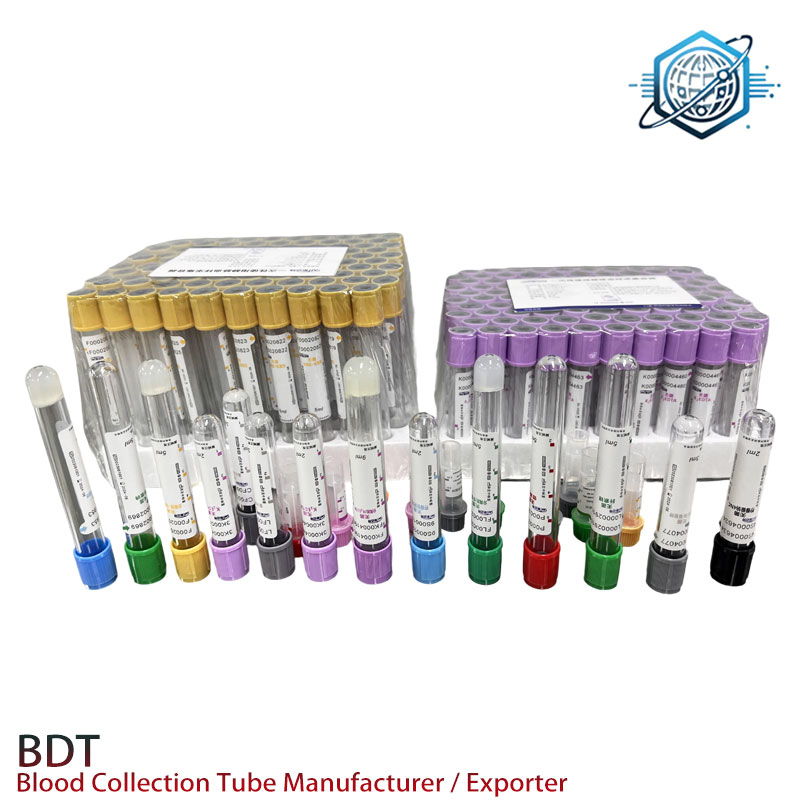
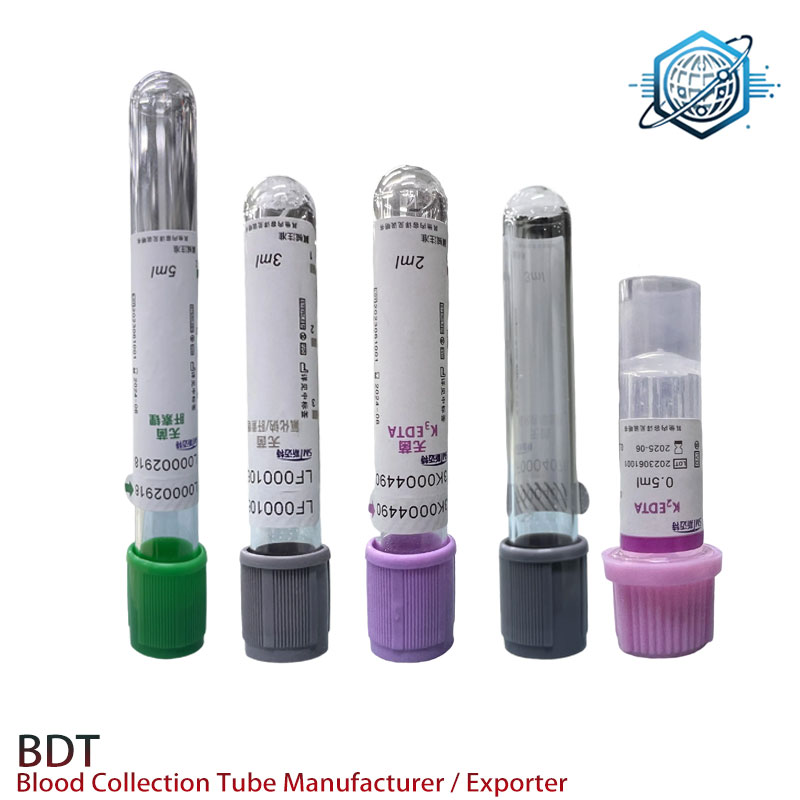
Economically, Chile has seen a surge in private healthcare investment, leading to a higher adoption rate of professional-grade home diagnostics. The integration of vacuum blood collection tubes in decentralized clinics has streamlined the process of patient monitoring, reducing the need for frequent travel to Santiago's central hubs.
However, the market faces challenges regarding the standardization of consumables. There is a growing transition toward higher-precision tools like the edta tube to ensure the integrity of hematological samples in remote provinces, balancing local accessibility with global medical standards.