When dealing with chronic muscle tension or acute joint pain, the method of heat delivery often determines the speed of recovery. Many users seeking a custom touch 2 moist electric heat pad are not just looking for warmth, but for the deeper penetration that moist heat provides compared to traditional dry heat options.
Moist heat therapy is widely recognized in the home medical device industry for its ability to penetrate deeper into the muscle tissue, promoting vasodilation and accelerating the removal of metabolic waste from stressed muscles. This specialized approach to thermotherapy is essential for those managing systemic stiffness or localized inflammation.
Understanding the technical specifications and the practical application of these devices allows consumers to make an informed choice between various heating modalities. This guide evaluates the mechanisms, use cases, and procurement factors associated with moist electric heat pads to ensure optimal therapeutic outcomes.

The Mechanism of Moist Heat vs Dry Heat Therapy

The fundamental difference between a custom touch 2 moist electric heat pad and a standard dry heating pad lies in the thermal conductivity of water. Water molecules transfer heat more efficiently than air, meaning moist heat can reach deeper tissues more rapidly without requiring an excessively high surface temperature that could risk skin burns.
Dry heat often evaporates moisture from the skin, which can lead to dehydration of the surface epidermis and a perceived "stinging" sensation if left too long. In contrast, moist heat maintains a humid environment that allows the warmth to seep into the fascia and muscle fibers, effectively reducing the viscosity of the synovial fluid in joints.
For users in the home medical device sector, this distinction is critical. The goal is not merely to warm the skin, but to induce a therapeutic response in the underlying musculoskeletal structure. Moist heat is therefore the preferred modality for treating deep-seated stiffness and chronic myogenic pain.
Core Technical Advantages of Moist Heating Elements
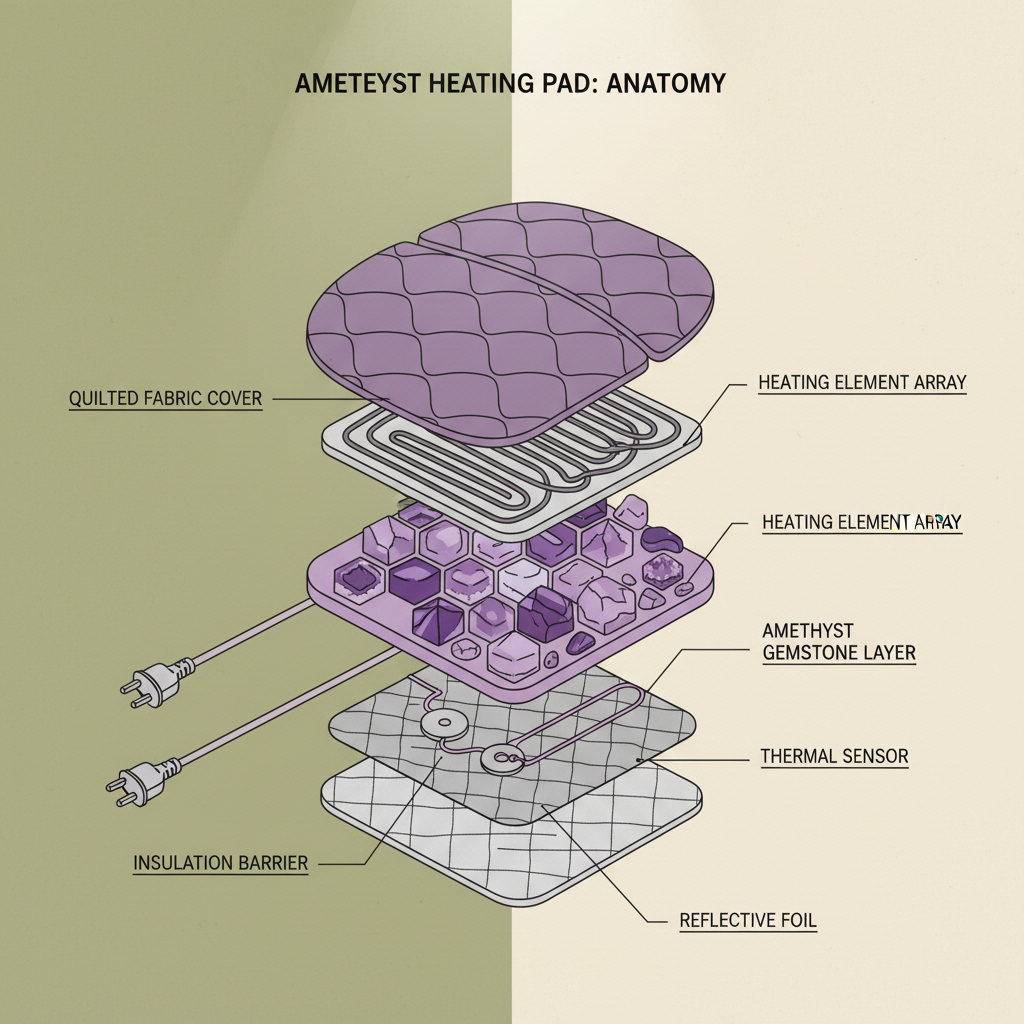
Modern moist heating pads utilize specialized absorbent materials and precision-controlled heating coils to ensure a uniform distribution of warmth. These devices are designed to operate within a specific temperature window that maximizes blood flow without causing thermal stress to the skin.
From a manufacturing perspective, the integration of biocompatible fabrics is essential. High-quality pads use medical-grade plastics and breathable textiles that can withstand repeated moisture cycles without degrading the internal electrical components, ensuring long-term safety and reliability.
Furthermore, the inclusion of multi-level temperature settings allows users to customize the intensity based on their pain threshold and the specific area of the body being treated. This customization is vital for preventing the "rebound effect" where overheating leads to increased inflammation.
Clinical Application Scenarios for Home Thermotherapy
The application of a moist electric heat pad extends across various physiological needs, from sports recovery to geriatric care. In sports medicine, these devices are frequently used post-exercise to relax hypertonic muscles and prevent the onset of delayed onset muscle soreness (DOMS).
For elderly populations, moist heat is particularly effective for managing osteoarthritis. By increasing the elasticity of connective tissues, these pads help reduce morning stiffness in the waist, neck, and shoulders, thereby improving the overall mobility and quality of life for the user.
Additionally, the versatility of heating products—ranging from foot warmers to waist pads—allows for targeted therapy. A waist-specific pad, for instance, can address lower back pain by increasing blood circulation to the lumbar region, which facilitates the healing of strained ligaments.
Comparative Performance and Thermal Penetration Metrics
When evaluating the performance of thermotherapy devices, the key metric is the depth of thermal penetration and the time required to reach a therapeutic temperature. Moist heat systems typically exhibit a faster ramp-up time in deep tissue compared to dry systems.
The following data illustrates the relative efficiency of moist heat versus industry-standard dry heat across five key physiological indicators. These values represent qualitative performance benchmarks based on thermal conductivity standards.
custom touch 2 moist electric heat pad Performance Metrics
As indicated, moist heat provides superior performance in deep tissue penetration and muscle relaxation. While dry heat is sufficient for superficial warmth, it fails to match the efficacy of moist heat in reducing deep-tissue stiffness, making the custom touch 2 approach more suitable for medical-grade home care.
Safety Protocols and Procurement Considerations for Users
Procuring a medical-grade heating device requires a careful evaluation of safety certifications and material quality. Users must prioritize devices that include automatic shut-off timers to prevent prolonged exposure, which can lead to thermal burns, especially in patients with reduced skin sensitivity.
When selecting a supplier, consider their experience in OEM and ODM services. Companies like Shijiazhuang BDT Trading Co., Ltd. emphasize strict quality control and the use of biocompatible materials, which are essential for products that come into direct contact with the skin for extended periods.
Furthermore, check for the ease of maintenance. Since moist heat pads involve water, the fabric must be durable and the electrical seals must be airtight to prevent leakage and short-circuiting, highlighting the importance of choosing a manufacturer with specialized medical device expertise.
Future Trends in Smart Thermoregulated Medical Pads
The evolution of home medical devices is moving toward "smart thermoregulation." Future iterations of moist heat pads are likely to incorporate sensors that monitor skin temperature in real-time, automatically adjusting the heat output to maintain a therapeutic window without manual intervention.
There is also a growing trend toward portable, USB-powered heating solutions. By utilizing energy-efficient heating elements, manufacturers can offer convenience for users who need pain relief while traveling or working, expanding the application of moist heat from the bedroom to the office and outdoor environments.
Additionally, the integration of new biocompatible materials may further enhance the moisture-retention capabilities of these pads, reducing the frequency of water replenishment while maintaining the high thermal conductivity required for deep tissue penetration.
Selection Matrix for Home Electric Heat Therapy
Choosing the right heating modality depends on the specific nature of the pain and the user's lifestyle. While moist heat is superior for deep muscle issues, dry heat may be more convenient for simple warmth. The following matrix assists in the decision-making process.
Evaluating these factors allows a procurement officer or a home user to align the product specifications with the intended therapeutic outcome, ensuring the highest return on investment in terms of health benefits.
| Therapy Type | Primary Use Case | Penetration Depth | User Convenience |
|---|---|---|---|
| Moist Electric Pad | Chronic Muscle Stiffness | Deep Tissue | Moderate (Requires Water) |
| Dry Electric Pad | Superficial Chills | Surface Level | High (Plug and Play) |
| USB Heated Blanket | Portable Travel Warmth | Moderate | Very High (Portable) |
| Salt Heating Pad | Localized Joint Pain | Moderate-Deep | Low (Requires Heating) |
| Waist Heating Pad | Lumbar Strain Recovery | Deep Tissue | Moderate (Wearable) |
| Pet Heating Pad | Animal Thermal Comfort | Surface Level | High (Low Temp) |
Ultimately, for those seeking medical-grade relief for musculoskeletal pain, the moist heat option remains the gold standard due to its physiological impact on blood flow and tissue elasticity. Users can find a comprehensive range of these solutions through www.bdtheatingpads.com.
Frequently Asked Questions
Conclusion
The selection of a moist electric heat pad represents a strategic choice in home health management. By prioritizing thermal penetration and material safety, users can effectively manage chronic pain and improve their physical mobility without the need for constant clinical visits.
As the industry shifts toward smarter, more portable solutions, the core value of moist thermotherapy remains constant: the ability to deliver deep, soothing warmth that promotes healing. For those evaluating these technologies, professional guidance and high-quality manufacturing standards, such as those available via www.bdtheatingpads.com, are essential for a safe and effective experience.