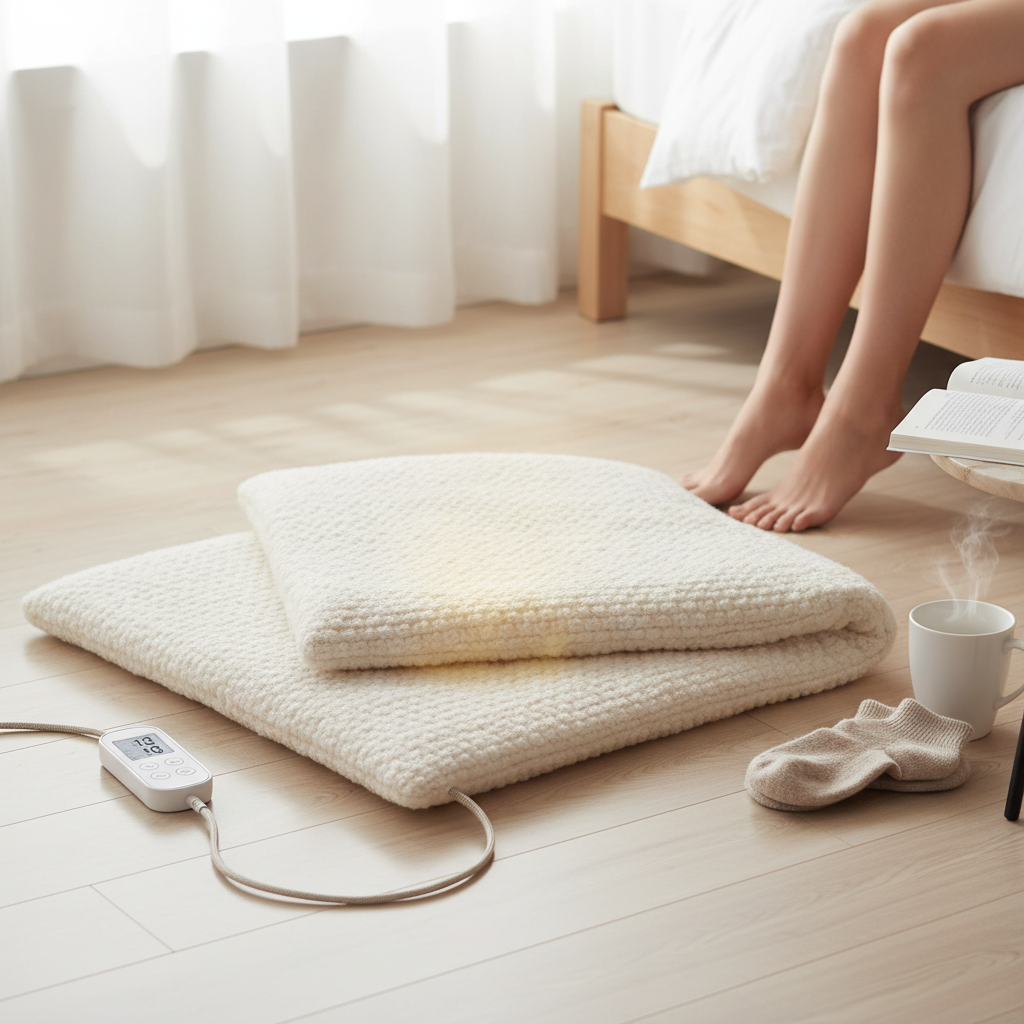
Understanding the electric heat pad price involves more than just comparing numbers; it requires an analysis of material quality, heating technology, and safety certifications. Whether you are sourcing for medical relief or consumer comfort, the cost typically reflects the precision of temperature control and the durability of the heating elements used in the manufacturing process.
In the home medical device industry, pricing is often driven by the complexity of the product's application—ranging from simple USB-powered portable blankets for travel to high-grade medical heating pads designed for muscle recovery and blood circulation improvement. For procurement managers, balancing cost-efficiency with safety standards is the primary challenge in sourcing reliable heating solutions.
This guide provides a comprehensive breakdown of how pricing is structured in the heating pad market, the technical factors that influence value, and a comparison of different product categories to help you make an informed purchasing decision based on specific utility and budget requirements.

1Market Drivers of Electric Heat Pad Pricing

The price of electric heating products is predominantly influenced by the quality of the internal heating elements and the safety mechanisms integrated into the circuitry. Medical-grade pads, which prioritize consistent temperature distribution to avoid burns, typically command a premium over basic consumer-grade versions. The shift toward USB-powered devices has also introduced a new pricing tier focused on portability and low energy consumption.
Furthermore, the materials used for the outer fabric—such as hypoallergenic medical plastics or plush textiles—affect both the manufacturing cost and the retail price. Products designed for professional medical environments require biocompatible materials to prevent skin irritation during prolonged use.
Supply chain factors in Northern China, where many leading manufacturers are located, also play a role. Proximity to logistics hubs in Shijiazhuang and Beijing allows for reduced shipping costs, which can be passed down to the buyer in bulk procurement scenarios.
2Core Technical Features Influencing Cost
Advanced temperature control systems are a primary cost driver. Simple on/off switches are inexpensive, but digital controllers with multiple heat settings and auto-shutoff timers require more complex PCBs and sensors. These features are essential for reducing the risk of overheating, especially in products intended for elderly users or those with reduced sensitivity.
The heating element's construction also varies. Carbon fiber heating wires are more flexible and durable than traditional nickel-chrome wires, allowing the pad to be folded without damaging the internal circuit. This durability is a key selling point for portable USB blankets used in camping or automotive settings.
Additionally, the integration of OEM and ODM services allows companies to customize the wattage and size of the pads. Customization usually involves initial tooling costs, which are amortized over the total volume of the order, affecting the per-unit electric heat pad price.
3Application Scenarios and Budget Allocation
Different applications demand different investment levels. For corporate giveaways, lightweight USB blankets are ideal due to their branding potential and perceived utility for travelers. In these cases, the budget is focused on portability and aesthetic appeal rather than high-intensity therapeutic heat.
Conversely, professional medical settings focus on therapeutic outcomes, such as relieving chronic pain or improving blood circulation. These applications require consistent, high-wattage heating pads for the back, waist, or neck, where the price is justified by the product's efficacy in a clinical or home-care environment.
For fleet vehicle operators, the priority is reliability and ease of use. USB-heated blankets that plug directly into vehicle ports offer a cost-effective way to improve driver comfort in cold climates without requiring expensive cabin modifications.
4Performance Metrics and Value Analysis
Evaluating value requires looking at heat-up time, temperature stability, and energy efficiency. A higher-priced pad typically reaches the target temperature faster and maintains it with less fluctuation, which is critical for medical applications where precise heat is needed to relax muscles.
Energy efficiency is particularly important for USB-powered devices. Higher-quality components minimize power loss, allowing the blanket to operate longer on a standard power bank, thereby increasing the product's utility for outdoor enthusiasts and campers.
electric heat pad price Performance Metrics
When analyzing the chart, it becomes evident that while basic pads are affordable, the jump in performance—specifically in stability and safety—is most pronounced in medical-grade and specialized USB portable categories, justifying the price increase.
5Procurement Strategies for Bulk Sourcing
For importers and distributors, the key to optimizing the electric heat pad price is leveraging scale. Ordering in bulk allows manufacturers to optimize production cycles and reduce waste, leading to more competitive pricing. It is essential to verify the factory's quality control measures to ensure that low costs do not lead to high failure rates.
Choosing a supplier with integrated R&D and production capabilities, such as those in Shijiazhuang, reduces the communication gap and speeds up the ODM process. This efficiency reduces the lead time from design to delivery, improving the overall ROI for the distributor.
Furthermore, negotiating terms based on annual volume rather than single orders can lead to more stable pricing, protecting the buyer from raw material price fluctuations in the plastics and textile markets.
6Future Trends in Heating Technology
The industry is moving toward "smart" heating pads that utilize AI-driven temperature adjustment. These devices can sense the user's body temperature and adjust the heat output in real-time, preventing burns and optimizing energy use. While this technology increases the initial price, it offers significant long-term value in safety and user experience.
Another trend is the use of graphene heating elements. Graphene provides faster heat conduction and higher energy efficiency than traditional wires, allowing for thinner, more flexible pads that provide a more uniform heat distribution across the entire surface area.
Sustainable manufacturing is also becoming a priority. The use of recycled medical-grade plastics and eco-friendly textiles is beginning to influence pricing, as companies invest in "green" production lines to meet international environmental standards.
7Product Selection and Price Comparison
Selecting the right product involves matching the technical specifications to the intended use case. A low-cost USB blanket is sufficient for a corporate gift, but a high-specification waist heating pad is necessary for therapeutic pain relief. The following table compares the different categories available in the current market.
When reviewing these options, consider the total cost of ownership, including the lifespan of the product and the energy costs associated with its operation. Higher-quality pads typically have a longer life cycle, reducing the frequency of replacement.
| Product Category | Primary Use | Price Level | Key Feature |
|---|---|---|---|
| USB Electric Blanket | Travel/Camping | Low to Mid | Portability |
| Medical Heat Pad | Pain Relief | High | Temp Precision |
| Pet Heating Pad | Animal Care | Low | Safety Timer |
| Waist/Neck Pad | Muscle Tension | Mid | Ergonomic Fit |
| Foot Warmer | Cold Weather | Low to Mid | Rapid Heating |
| Salt Heating Pad | Natural Therapy | Mid | Heat Retention |
Ultimately, the most cost-effective choice is one that meets all safety requirements and provides the specific therapeutic or comfort level required by the end-user without paying for unnecessary features.
Frequently Asked Questions
Conclusion
Determining the right electric heat pad price requires a balance between the intended application—whether it be medical therapy, portable comfort, or corporate gifting—and the technical specifications of the device. Investing in higher-quality components and safety certifications may increase the initial cost but ensures long-term reliability and user safety.
For those seeking professional-grade heating solutions or bulk procurement options, evaluating suppliers with integrated R&D and production capabilities is key. Readers evaluating suitable solutions can review the available product information at www.bdtheatingpads.com.