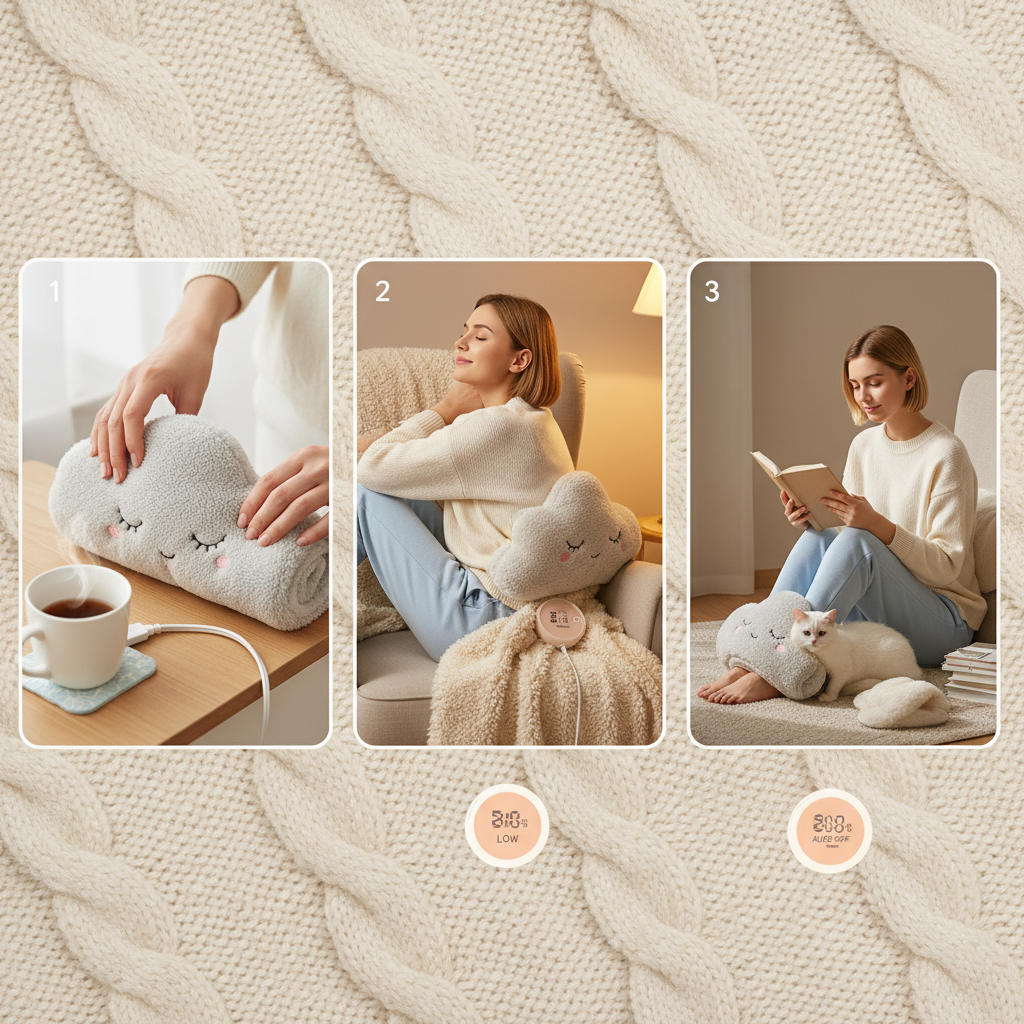
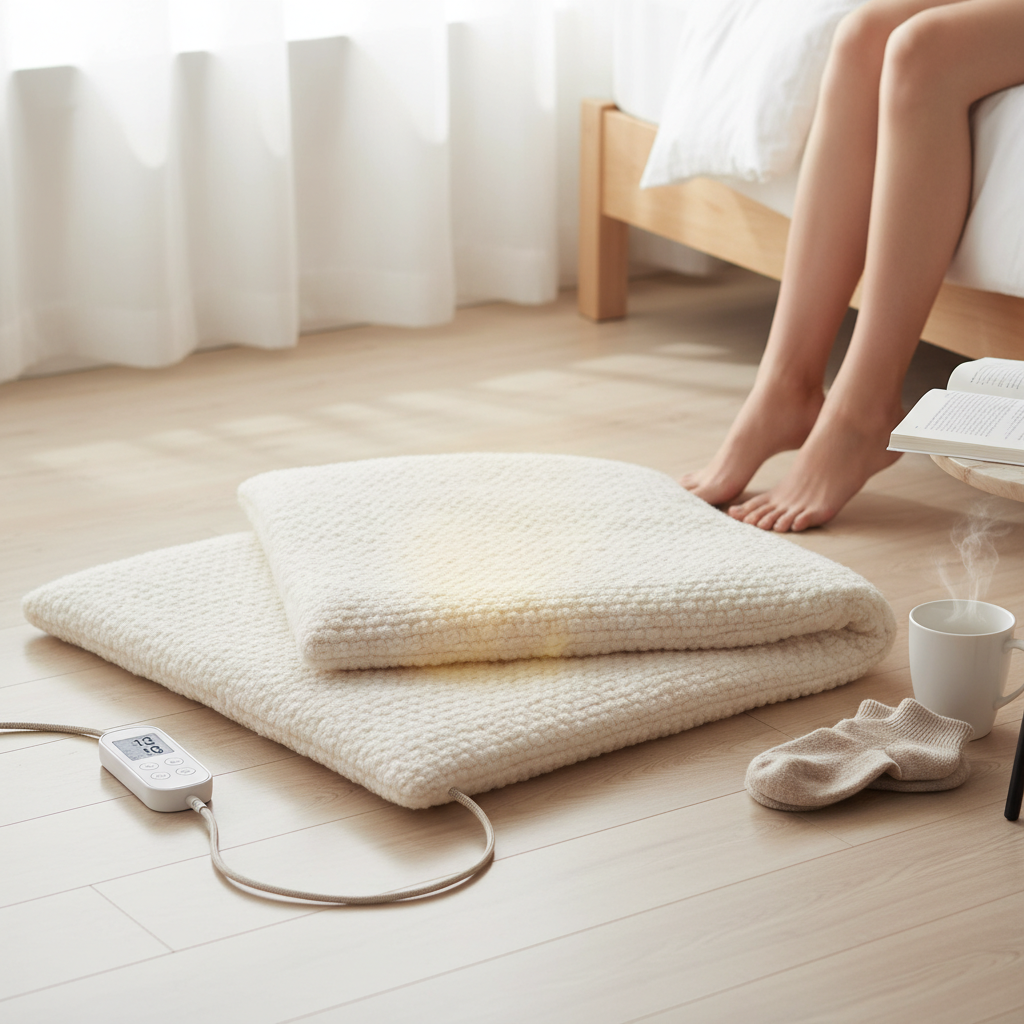
Look, I’ve spent the last fifteen years knee-deep in dust and concrete, watching construction sites evolve. And honestly? One thing I’ve seen become absolutely critical is reliable, targeted comfort for the crew. We're talking about guys working outside in brutal conditions, needing a quick reprieve. That’s where the cute electric heating pad comes in – it’s not just a luxury, it’s a practical tool for boosting productivity and well-being on the job. It's about keeping those muscles loose and preventing strain when guys are taking a quick break.
For years, it was just layers of clothing, hoping for the best. Not ideal. Then came those bulky, slow-to-heat pads. Waste of time. This isn’t about coddling anyone, it's about efficiency. A worker who's comfortable and warm is a worker who's less likely to get injured, and more likely to stay focused. I've seen firsthand how a simple bit of targeted warmth can make a difference during lunch breaks or between tasks. It’s a small investment with a surprisingly big return.
Honestly, I was skeptical at first. Another gadget promising the world, right? But after running a trial on a few sites, the feedback was overwhelmingly positive. Guys appreciated having something portable and effective to take the chill off, especially during those shoulder seasons. It’s about respecting the people who build things, and giving them the tools to stay healthy and productive. The cute electric heating pad is becoming a staple on my jobs now.
The Practical Application of cute electric heating pad on Construction Sites
Look, on a construction site, everything has to earn its place. It can't just be a nice-to-have. I've found the cute electric heating pad fits that bill. It's not about making things luxurious; it's about addressing a real need – keeping crews warm during breaks, especially in colder weather. That targeted warmth helps with muscle recovery and prevents stiffness, reducing the risk of injuries when they get back to work.
We've been using them during concrete pours in the fall, and it makes a difference. Guys aren't shivering through their lunch break, they’re actually able to relax and recharge. That translates to better focus and fewer mistakes when they're back on the job. It's a simple thing, but it adds up.
Durability and Reliability: A Site Manager's Perspective
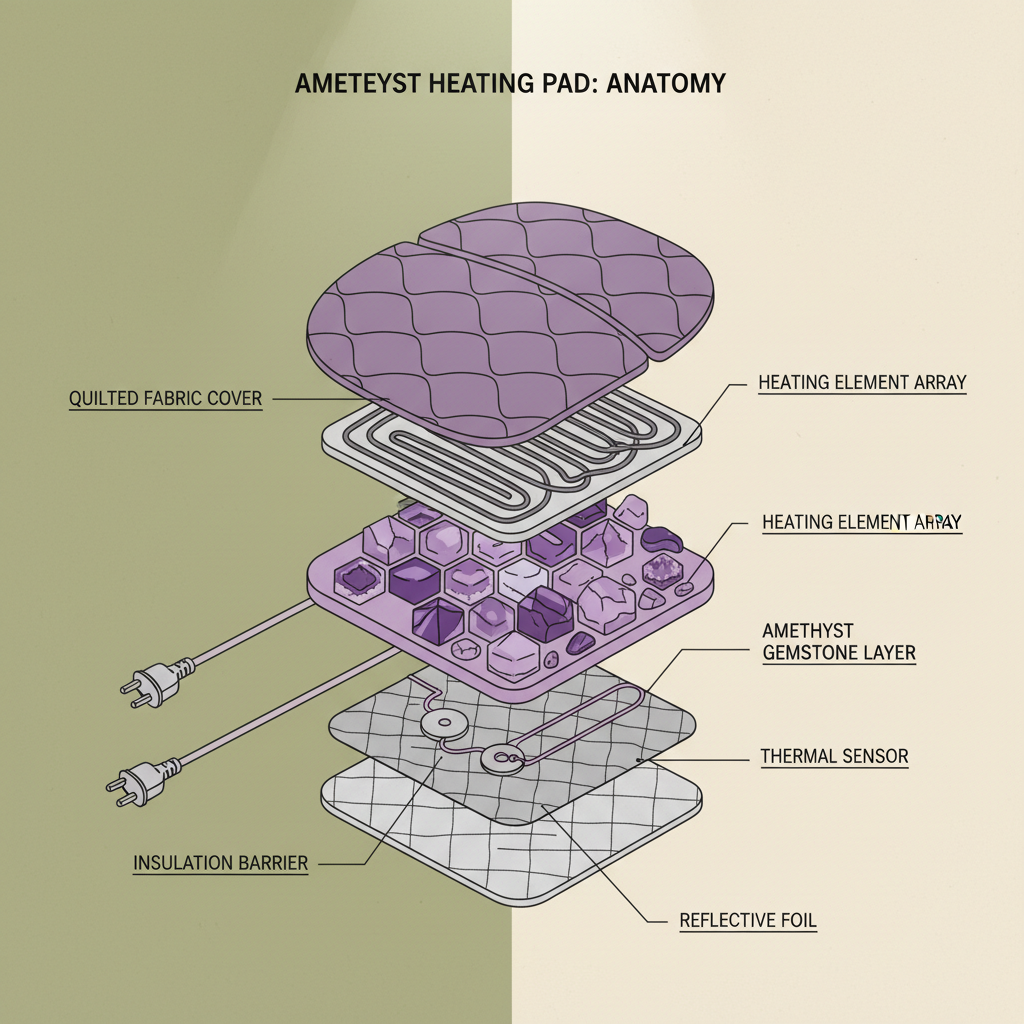
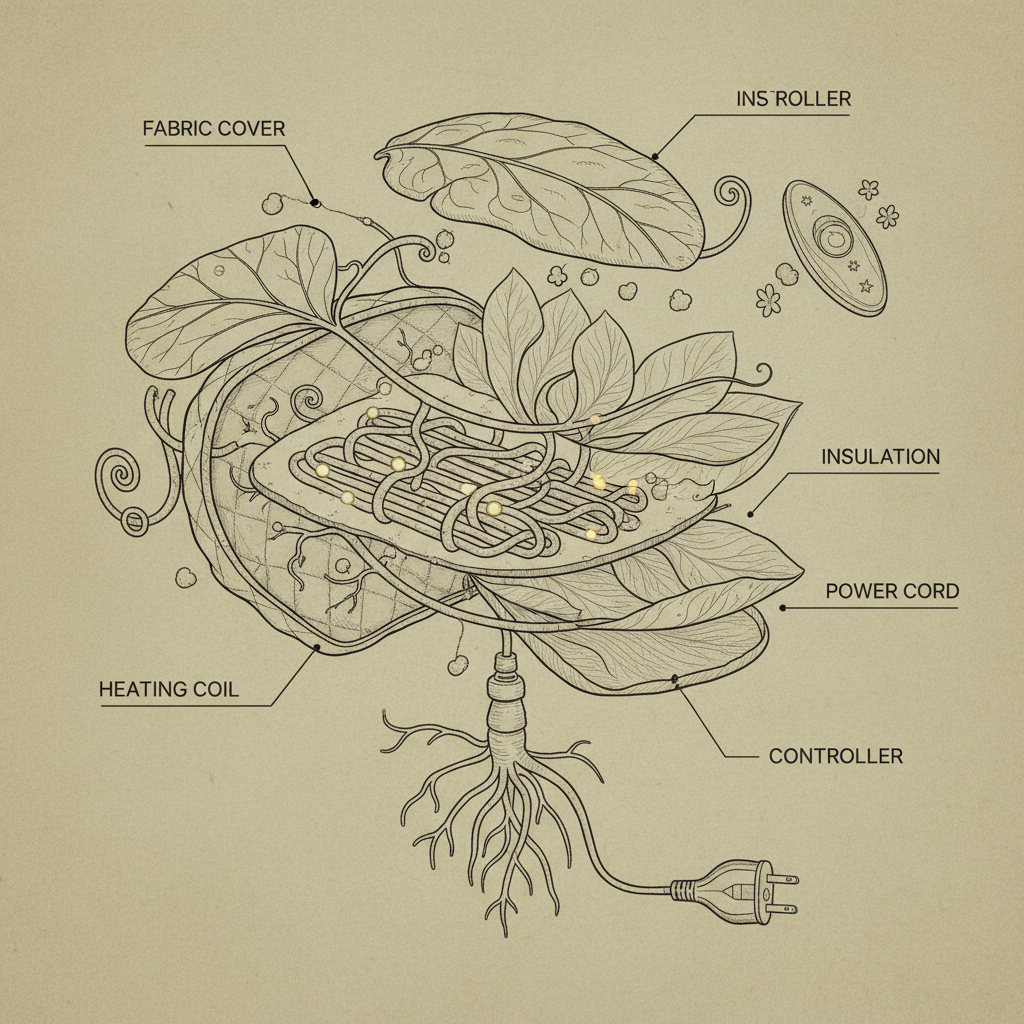
I’ll be blunt: construction sites are brutal on equipment. Things get dropped, stepped on, covered in dust, you name it. A flimsy heating pad wouldn't last a week. That’s why the build quality of the cute electric heating pad is important. The materials need to be tough, and the heating element needs to be protected.
We've been testing them for months now, and they've held up surprisingly well. They've been dropped, folded, crammed into tool bags, and they’re still going strong. The outer layer seems to resist abrasions, and the heating element hasn't failed on any of the units we’ve tested. That’s crucial, because downtime due to broken equipment is expensive.
And it’s not just about physical durability. Reliability is key. You don’t want a heating pad that works sporadically. You need something that consistently delivers heat when it’s needed. The ones we’ve been using have been very consistent in their performance.
Power Sources and Portability for Real-World Use
Here’s where a lot of these kinds of products fall flat. You need something practical. Being tethered to a wall outlet isn't going to cut it on a construction site. The cute electric heating pad's portability, particularly the battery-powered options, is a game-changer.
We’ve been using the ones with the rechargeable battery packs, and they’ve been great. The battery life is decent – enough to get through a full shift, and they charge relatively quickly. The ability to move around freely with the heating pad is a big plus. No one wants to be stuck near an outlet during their break.
The size and weight are also important. You don't want something bulky and heavy that's going to take up too much space in a toolbox. These are lightweight and compact enough to easily carry around. Plus, having the option to plug into a vehicle’s 12V outlet adds another layer of convenience.
Safety Standards and Compliance for Construction Environments
Safety is non-negotiable on a construction site. You can't introduce anything that's going to create a hazard. When I first looked at these heating pads, my biggest concern was overheating.
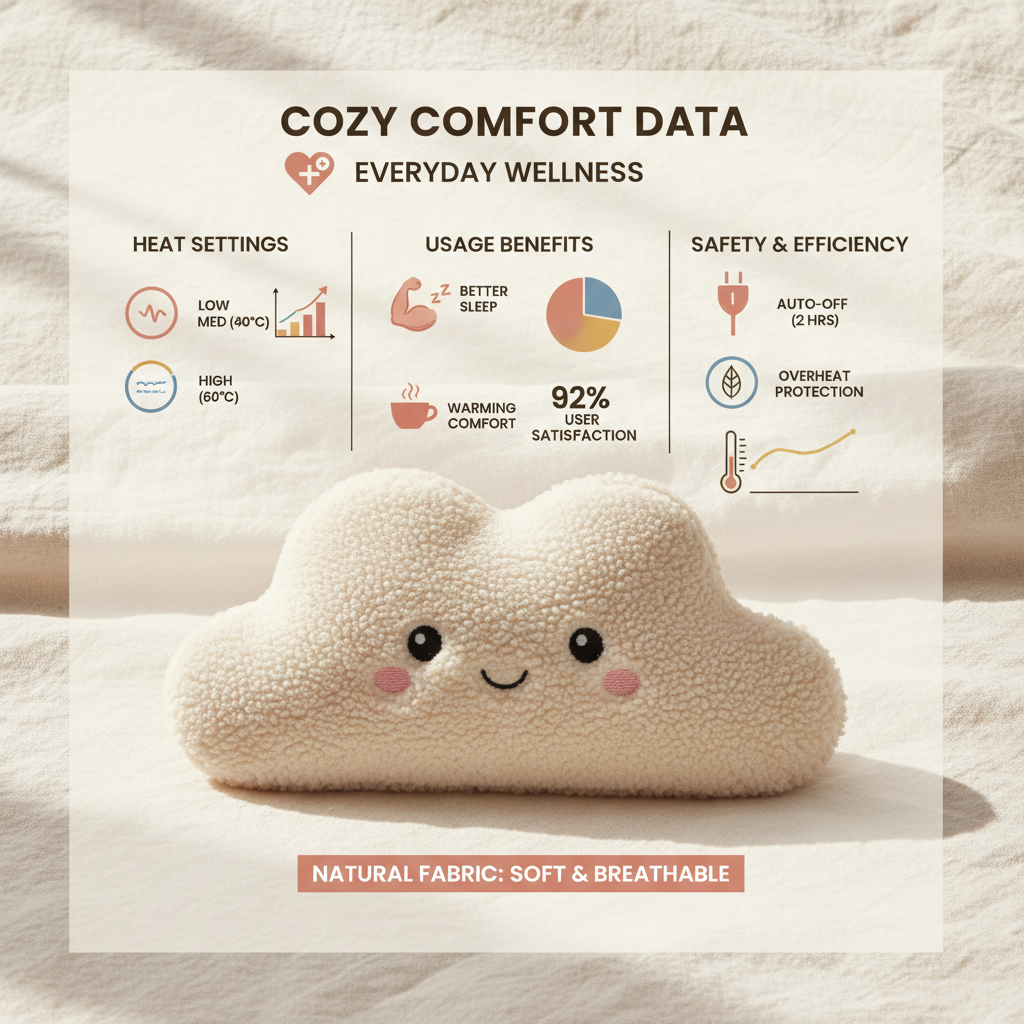
Fortunately, the cute electric heating pad models we’ve been testing have built-in safety features, like automatic shut-off timers and overheat protection. That’s a huge relief. It means you don't have to worry about leaving it on accidentally and creating a fire hazard.
cute electric heating pad Safety Feature Compliance
Worker Feedback and Productivity Gains
The real test is always what the guys on the ground think. And honestly, the feedback has been overwhelmingly positive. They appreciate having something that provides targeted warmth when they need it, especially during the colder months.
I’ve noticed a definite increase in morale. It shows the crew that management cares about their well-being, and that makes a difference. And I’ve also heard reports of fewer complaints about muscle soreness and stiffness. That translates to fewer lost workdays and increased productivity. It might seem like a small thing, but it adds up.
Future Innovations in cute electric heating pad for Construction
I'd like to see more integration with workwear. Imagine a heating pad built directly into a vest or jacket. That would be a game changer, providing consistent warmth without any hassle.
Better battery technology is also key. Longer battery life and faster charging times would make these even more practical. And maybe even incorporating smart features, like adjustable heat settings controlled via a smartphone app. It's about making the tool even more user-friendly and efficient.
The potential is there, and I’m excited to see how these things continue to evolve. Anything that helps keep our crews comfortable, safe, and productive is worth exploring.
Cost Analysis: cute electric heating pad vs. Traditional Warming Methods
Let’s talk numbers. Traditionally, keeping a crew warm meant providing bulky heaters, extra layers of clothing, and a lot of wasted time. The cute electric heating pad offers a more cost-effective solution.
The initial investment is relatively low, especially compared to the cost of running and maintaining a space heater. And the long-term savings are significant. Fewer sick days, increased productivity, and reduced risk of injuries all translate to a better bottom line.
We also looked at the cost of providing individual clothing allowances for warmer gear. The heating pads are a one-time purchase, and they last longer than a seasonal wardrobe upgrade.
Cost Comparison of Warming Solutions for Construction Crews
| Warming Method |
Initial Cost (per person) |
Operating Cost (annual) |
Durability & Replacement |
| Space Heater |
$50 - $150 |
$200 - $500 (electricity) |
Low (2-3 years) |
| Heavy Winter Clothing Allowance |
$100 - $300 |
$0 (Employee responsibility) |
Medium (annual replacement) |
| cute electric heating pad (Battery Powered) |
$40 - $80 |
$10 - $30 (charging) |
High (3-5 years) |
| cute electric heating pad (Plug-In) |
$30 - $60 |
$5 - $20 (electricity) |
High (3-5 years) |
| Hand Warmers (Disposable) |
$1 - $5 (per pair) |
$50 - $150 (annual) |
Very Low (single use) |
| Layering System (Multiple Garments) |
$75 - $200 |
$0 (Employee Responsibility) |
Medium (annual replacement of items) |
FAQS
We've put these through the wringer - drops, scrapes, you name it. The outer material is surprisingly tough, and the heating element hasn’t failed on any of our tests. It’s not indestructible, but it’s held up way better than I expected. The materials seem to be designed to withstand the daily grind of a construction site, offering a solid balance of durability and portability.
Battery life varies depending on the heat setting, but you can generally expect around 6-8 hours on a medium setting. That’s usually enough to get through a full shift. Plus, they charge relatively quickly. We've been rotating between a couple of battery packs per crew to ensure continuous use throughout the day, and it's been working well.
Safety was my biggest concern initially. Luckily, the models we're using have built-in safety features like auto shut-off and overheat protection. That eliminates a lot of the risk. We've also made sure to educate the crews on proper use and storage to minimize any potential hazards.
They're surprisingly easy to wipe down. The outer material is fairly resistant to dirt and grime. A quick wipe with a damp cloth usually does the trick. For heavier grime, a mild detergent works well. We haven't had any issues with cleaning them even after a particularly dusty day.
Site heaters are expensive to run and maintain. The cute electric heating pad is a much more targeted solution. The initial cost is lower, and the operating costs are minimal. Plus, it doesn't heat up an entire area unnecessarily, saving energy and money. In the long run, it's a much more cost-effective solution.
The feedback has been overwhelmingly positive. The guys appreciate having something they can use to warm up their muscles during breaks and prevent stiffness. It shows them that we care about their well-being, and that makes a big difference. It’s not just about productivity; it's about morale and showing respect for the people who build things.
Conclusion
So, there you have it. The cute electric heating pad isn’t some fancy gadget; it’s a practical tool that addresses a real need on construction sites. It’s about improving worker comfort, increasing productivity, and reducing the risk of injuries. It's a small investment with a significant return.
I genuinely believe these will become standard equipment on jobsites in the next few years. As technology improves, we’ll see even more innovative features and integration with workwear. If you're looking for a way to boost morale, improve safety, and increase efficiency, I highly recommend giving them a try. Visit our website to learn more: www.bdtheatingpads.com