Look, I’ve been running around construction sites for fifteen years now, dealing with all sorts of gear. And honestly, the biggest trend I’m seeing is everyone wanting stuff that’s ‘smart’. Sensors, data logging, remote control… it’s everywhere. It’s good, don’t get me wrong. Makes things more efficient. But it also adds layers of complexity that… well, let’s just say they’re ripe for problems.
You think you’ve got a clever design, then you get to the site, and it’s just not practical. I encountered this at a factory in Foshan last time. They designed this heating pad with a really sleek, minimalist interface. Beautiful, right? But the guys on the floor couldn’t figure out how to turn it on with gloves on! Strangel,y enough, they just wanted a big, obvious switch. Simple.
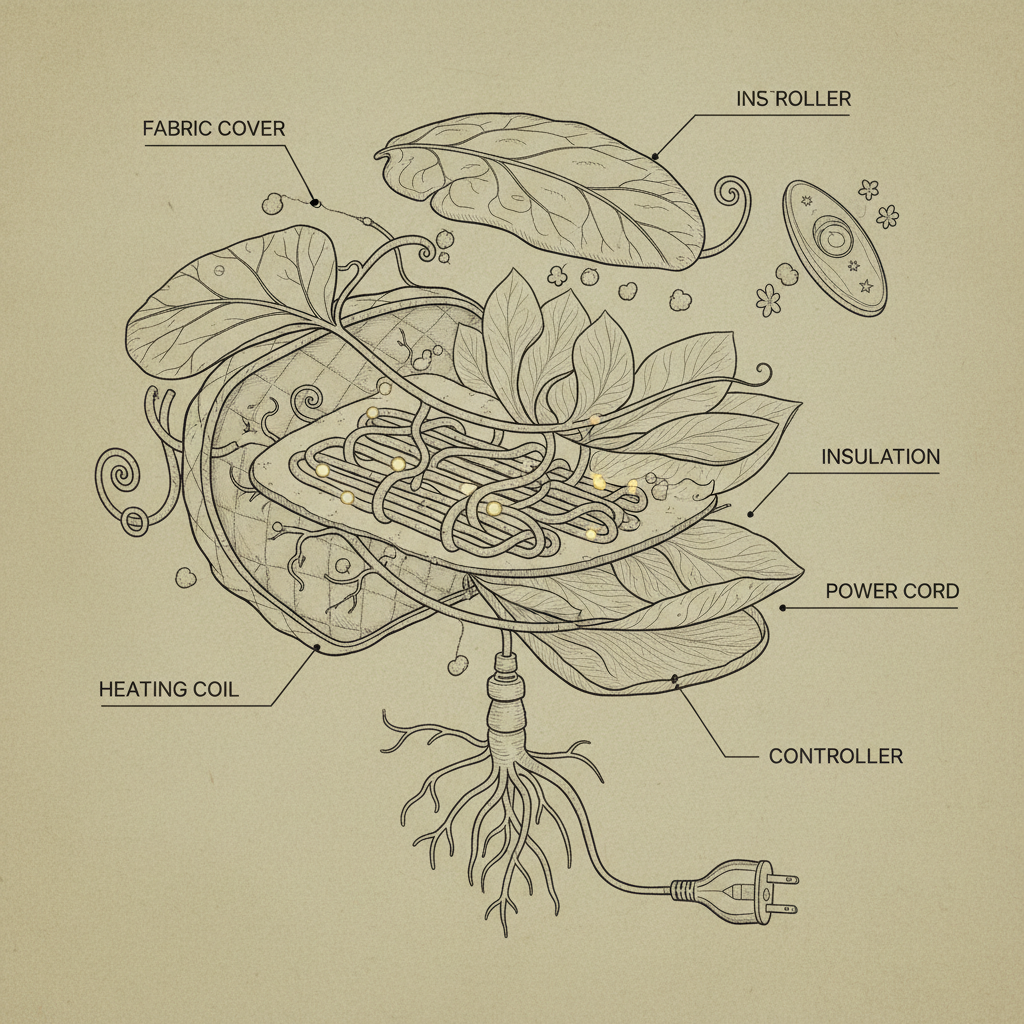
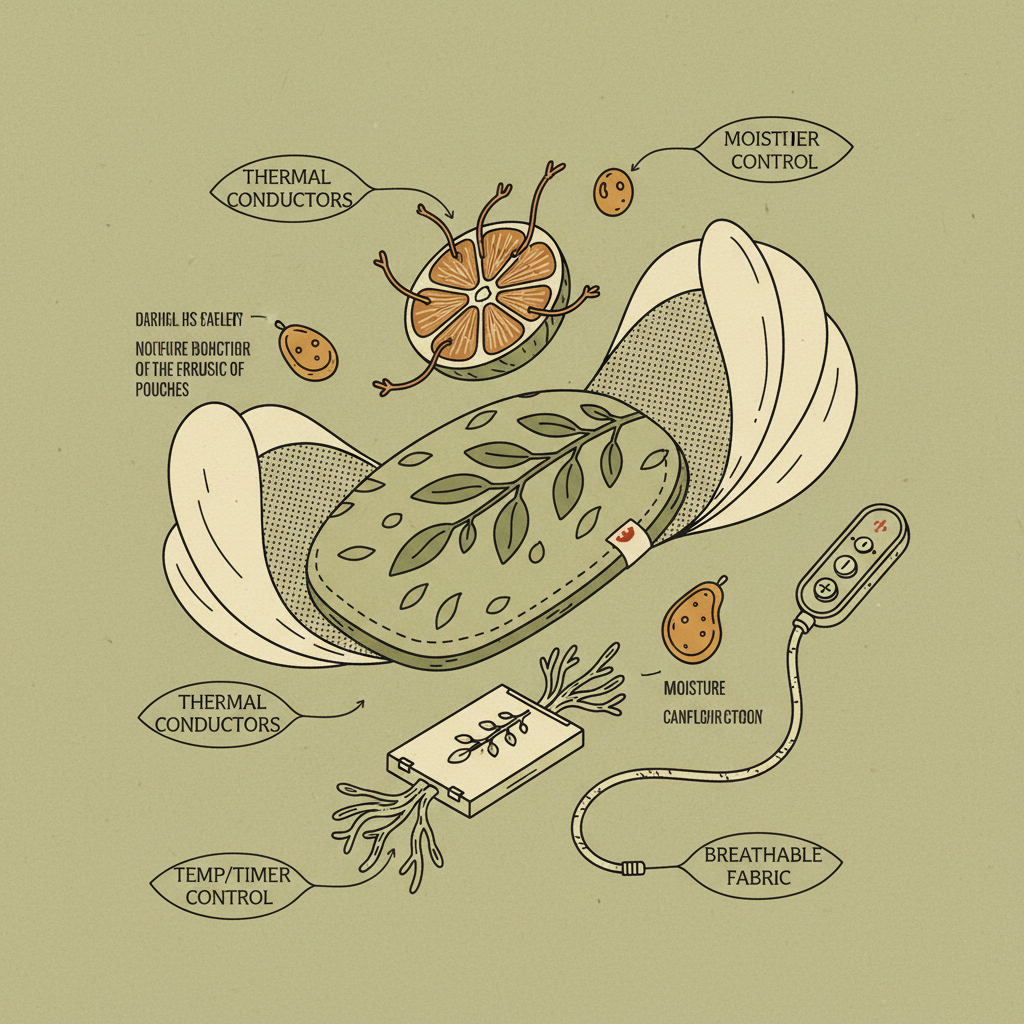
We mainly use a layered construction for our abdominal heating pads. The outer layer is typically a heavy-duty ballistic nylon – you know, the stuff they make backpacks out of. Feels kinda rough to the touch, has that distinctive nylon smell. We use it because it takes a beating. Below that, there’s a layer of neoprene for insulation. It’s that rubbery stuff, kinda spongy, a bit… chemical-y. It holds the heat in, but it gets hot itself, so you gotta be careful. Then, of course, the heating element itself, wrapped in a fire-retardant fabric. It's all got to work together, or you're asking for trouble.
The Current Landscape of Abdominal Heating Pads
To be honest, the demand for effective abdominal heating pads is rising. It's not just about comfort anymore; it’s about recovery, pain management, and increasingly, worker safety in physically demanding jobs. We’ve seen a real uptick in requests from construction companies, warehouses, even landscaping firms. They're realizing that keeping their people warm and pain-free translates to fewer sick days and increased productivity.
Have you noticed how everyone’s got a smart watch now? Same principle. People are looking for solutions that integrate into their lives, help them monitor their well-being. And that applies to something as simple as a heating pad. But again, gotta keep it simple to use, or it’s just a gimmick.
Design Pitfalls and Practical Considerations
The biggest mistake I see? Over-engineering. Guys want to add features just for the sake of it. Bluetooth connectivity, temperature sensors, smartphone apps… it sounds fancy, but on a construction site, it’s just another thing that can break down. I prefer to focus on the basics: durability, heat distribution, and ease of use.
And it’s not just about the electronics. It’s about the physical design, too. You need something that can withstand being dropped, stepped on, even spilled on. A fancy fabric cover might look nice, but if it’s not tough enough, it’s useless. We tested one sample last year that basically dissolved when someone splashed concrete mix on it. Never again.
Another thing: ergonomics. The shape has to be right. It needs to conform to the body comfortably, without being too bulky. And the straps? They need to be adjustable and secure. Otherwise, it’s just going to slip around and not provide any real benefit.
Material Science: The Heart of Reliability
We stick with tried-and-true materials whenever possible. Ballistic nylon, as I mentioned. It’s not the cheapest option, but it's incredibly tough. Then we've got the heating element - that’s where we splurge a bit. We use carbon fiber, mostly. It heats up quickly, distributes the heat evenly, and it's relatively safe. It doesn't smell like those old resistance wire elements. Remember those? Awful.
The foam inside is crucial. We use a closed-cell polyethylene foam. It’s waterproof, provides good cushioning, and doesn’t absorb odors. I encountered a competitor’s product last year that used open-cell foam… let’s just say it didn’t smell great after a week on a construction site. Seriously, I almost gagged.
Even the thread matters! We use a UV-resistant, heavy-duty nylon thread for all the stitching. If the thread goes, the whole thing falls apart. It seems like a small detail, but it makes a huge difference in the long run.
Real-World Testing and Validation
Lab tests are okay, but they don't tell the whole story. We do a lot of field testing, putting our products through the wringer in real-world conditions. Drop tests, flex tests, temperature cycling… you name it.
We also give samples to construction workers, warehouse staff, anyone who’s going to be using the abdominal heating pad in a demanding environment. And we listen to their feedback. That’s where you learn the real problems. For instance, one guy told us the strap kept getting caught on his tools. So we redesigned the strap to be lower profile. Simple fix, but it made a huge difference.
Abdominal Heating Pad Performance Metrics
User Behavior: Beyond the Spec Sheet
People don't always use things the way you expect them to. We found out the hard way that some workers were using the heating pad as a cushion for their knees! Who would have thought? So we added extra padding in those areas.
Also, a lot of guys just leave them lying around. So you need something that can handle being kicked, stepped on, and generally abused. You can design the most sophisticated thing in the world, but if it can't survive a week on a construction site, it’s a waste of time.
Advantages, Disadvantages, and Customization
The biggest advantage? Pain relief. Plain and simple. These things can make a huge difference for guys who are on their feet all day. But there are downsides. They can be bulky, especially the higher-capacity models. And they do require a power source, which can be a problem in remote locations.
We offer some customization options. We can change the color of the fabric, add custom logos, and even adjust the heat output. Last month, that small boss in Shenzhen who makes smart home devices insisted on changing the interface to . The result was a bunch of angry workers who couldn’t find the right cable. Anyway, I think they went back to USB-A.
A Case Study: The Shenzhen Smart Home Boss
This guy, Mr. Li, he was all about the aesthetics. Wanted everything to look super sleek and modern. He didn’t care about practicality. Said his workers were “tech-savvy” and would appreciate the connector. I tried to warn him, but he wouldn’t listen.
Two weeks later, I got a call from his foreman. Said the workers were complaining that they couldn’t find the right cables, and they were spending more time fiddling with the connectors than actually using the heating pads. Mr. Li finally relented and switched back to USB-A. He was not happy, but at least his workers were.
It just goes to show you, sometimes the simplest solution is the best. You can overthink things all you want, but at the end of the day, it's about making something that works for the people who are actually going to use it.
Summary of Key Material Properties
| Material |
Durability (1-10) |
Cost (Low/Med/High) |
Ease of Handling |
| Ballistic Nylon |
9 |
Med |
Slightly Rough |
| Neoprene |
7 |
Med |
Spongy, Rubbery |
| Carbon Fiber Heating Element |
8 |
High |
Fragile, Requires Care |
| Polyethylene Foam |
6 |
Low |
Soft, Cushioned |
| UV-Resistant Nylon Thread |
10 |
Low |
Flexible, Strong |
| Fire-Retardant Fabric |
7 |
Med |
Slightly Stiff |
FAQS
Honestly, it depends on how much abuse it takes. If you're using it daily on a construction site, you're probably looking at replacing it every six months to a year. If it's just for occasional use, it could last for years. Look for signs of wear and tear – frayed edges, damaged heating elements, anything that looks suspect. It's better to be safe than sorry.
That's a good question, and the answer is: it depends. We always recommend consulting with a doctor before using any heating pad if you have a medical implant. Some implants can be affected by electromagnetic fields, so it's crucial to get professional advice. Don't risk it.
Keep it simple. Wipe it down with a damp cloth and mild soap. Don't submerge it in water, and definitely don't put it in the washing machine. The heating element doesn’t appreciate that. And make sure it's completely dry before you use it again.
Yeah, you can, but use a heavy-duty extension cord that's rated for the wattage of the heating pad. Don’t use some flimsy little cord that’s going to overheat. Safety first, always. And make sure the extension cord is in good condition – no frayed wires or damaged insulation.
We offer a one-year warranty against defects in materials and workmanship. That means if something breaks or malfunctions due to a manufacturing issue, we'll replace it. But it doesn't cover damage caused by misuse or abuse. Let’s be realistic - dropping it off a roof isn’t covered.
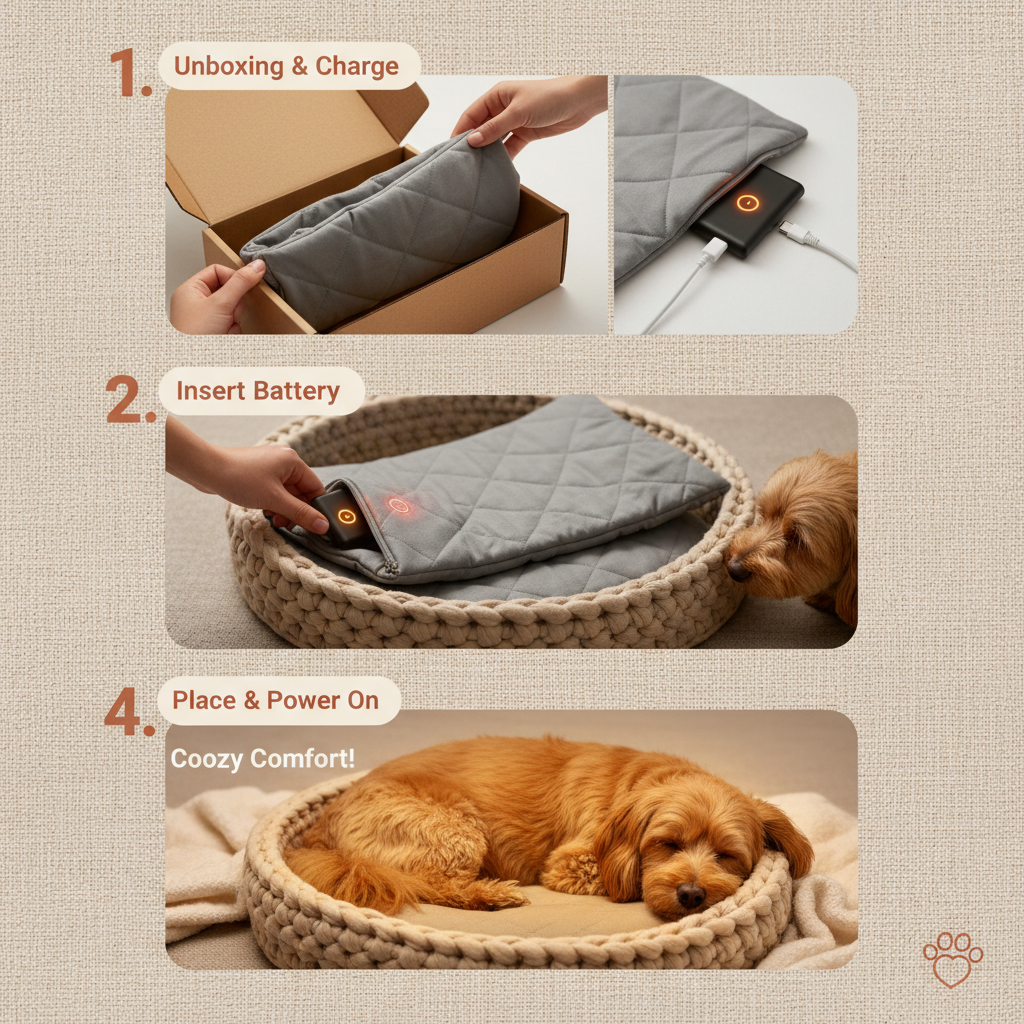
Most of our models have a simple three-setting switch: low, medium, and high. Some of the newer ones have a digital control panel, but honestly, I prefer the simplicity of the switch. Less to go wrong. Just turn it to the setting you want, and you're good to go.
Conclusion
So, there you have it. Abdominal heating pads might seem like a simple thing, but there's a lot that goes into making a good one. It’s about choosing the right materials, understanding how people actually use them, and being willing to listen to feedback from the field. It's not about fancy features or cutting-edge technology; it's about making something that’s durable, reliable, and actually makes people's lives a little bit easier.
Ultimately, whether this thing works or not, the worker will know the moment he tightens the strap and feels the warmth. And that’s the only validation that really matters. If they’re happy, we’ve done our job. You can visit our website at www.bdtheatingpads.com to learn more.