Look, I’ve been running around construction sites for fifteen years, and honestly, the biggest shift I’ve seen lately is everyone chasing ‘smart’ and ‘connected.’ It’s not enough anymore to just have a solid, reliable heating pad, it’s gotta have Bluetooth, app control, the works. Seems like every manufacturer is trying to one-up each other with features nobody asked for. But hey, that’s progress, right?
I’ve also noticed this trend towards lighter materials. People want something they can easily move around, something that doesn't weigh a ton. Which is good, but sometimes it feels like they're sacrificing durability. A solid heating pad needs heft, you know? It needs to feel substantial. It’s a tricky balance. We're constantly battling weight versus robustness.
And the supply chain… don’t even get me started. The price of everything is fluctuating wildly. Finding quality components is a headache.
The Current Landscape of a Heating Pad Technology
To be honest, the push for energy efficiency is massive. Everyone's trying to build a heating pad that uses less power, which is good, obviously. But it’s easy to get caught up in the numbers and forget about actual performance. It's not just about wattage, it’s about how evenly the heat distributes, how quickly it responds.
Strangely, I’m seeing a resurgence of demand for simpler, more rugged heating pads – the kind you could drop from a scaffolding and they’d still work. The smart stuff is great, but sometimes people just need something reliable. It's not always about the latest bells and whistles.
Common Design Pitfalls in a Heating Pad Construction
Have you noticed how many heating pads have those flimsy power cords? They’re always the first thing to go. It's a classic example of cost-cutting in the wrong place. I encountered this at a factory in Ningbo last time, and the engineer was arguing with the purchasing manager about spending an extra dollar on a better cable. It's always a battle.
Another trap is overheating protection that’s too sensitive. You want it to be safe, of course, but if it shuts off every five minutes, what’s the point? It becomes more of a nuisance than a help. And the controls! Too many buttons, too many settings… keep it simple, people.
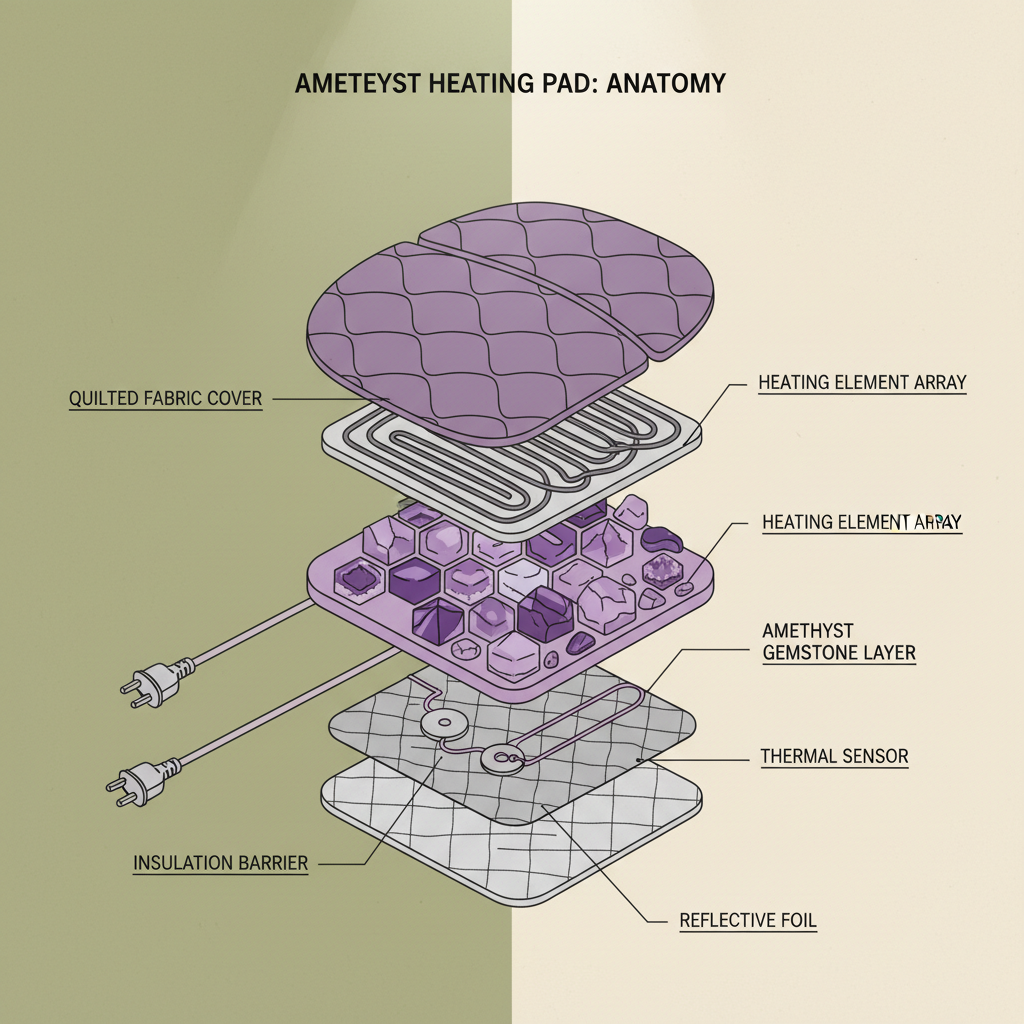
And the insulation. You need good insulation, otherwise you’re losing heat and wasting energy. That impacts long-term performance.
Materials & Their Nuances in a Heating Pad
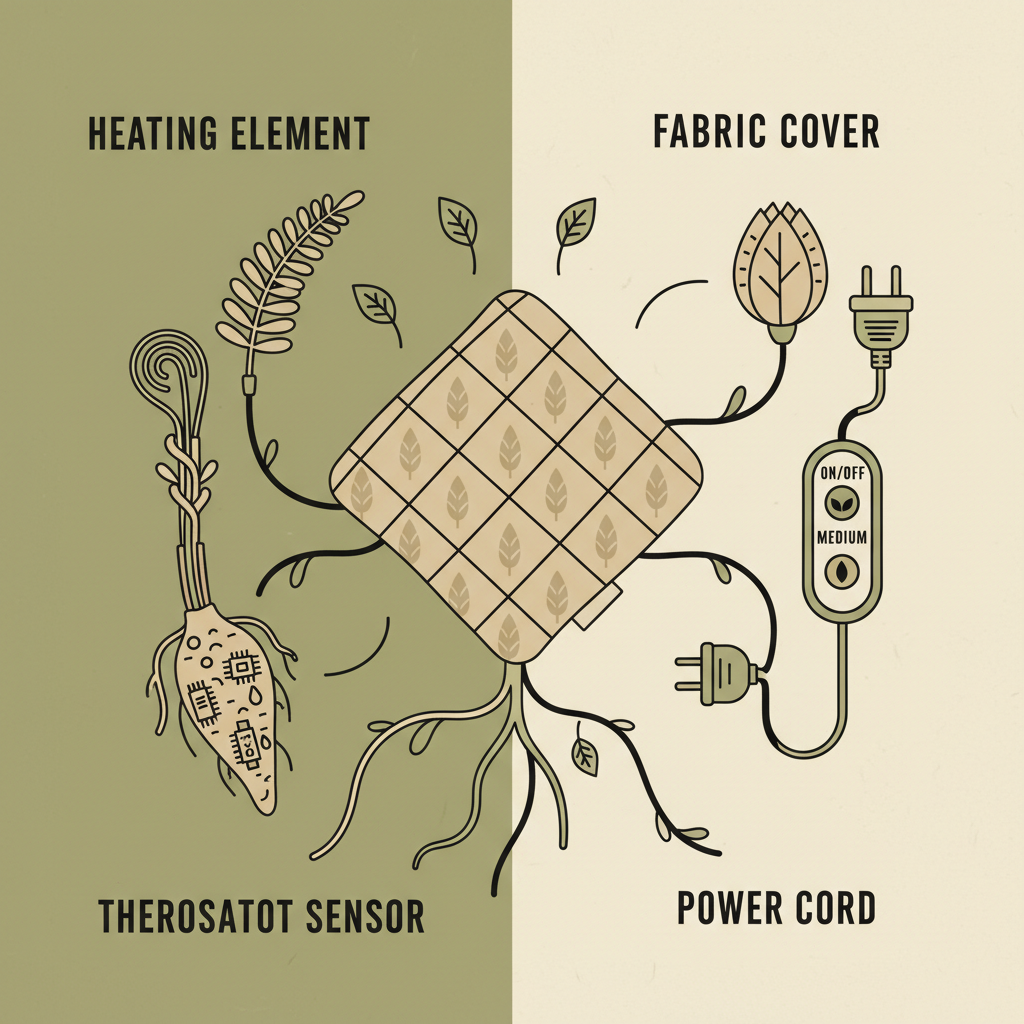
The heating element itself... you've got your standard nickel-chromium wire, which is reliable but can get brittle over time. Then there's carbon fiber, which is lighter and more flexible, but it can be more expensive. I actually prefer the feel of nickel-chromium, it’s just… solid. It smells a little metallic when it heats up, that’s how you know it’s working.
The outer casing is usually polyester or nylon. Polyester's cheaper, but nylon's more durable and resists tearing better. You can feel the difference when you handle it. And the filling – that’s important. Some use glass beads, others use ceramic. Glass beads distribute heat better, but ceramic holds it longer. Depends on the application, really.
The connector… that’s a critical point. It needs to be robust, and it needs to withstand repeated plugging and unplugging. We’ve used a lot of PBT connectors lately, they seem to hold up pretty well. They've got that slight give to them that lets them absorb some of the stress.
Real-World Testing of a Heating Pad
Forget the lab tests. They're useful for basic compliance, sure, but the real test is on a job site. We take these things out to construction sites, welding shops, auto repair garages… places where they’re going to get abused. We leave them running for weeks, drop them, spill stuff on them, and see what happens.
We also get feedback from the guys on the ground. They’re the ones who actually use them day in and day out, so their input is invaluable. I remember one welder telling me, “This heating pad is great, but it doesn’t hold up to sparks.” That was a useful piece of information, let me tell you.
a Heating Pad Performance Under Stress
User Behavior & Practical Applications of a Heating Pad
You know, it’s not always what you expect. We designed one heating pad specifically for mechanics, thinking they’d use it to warm up cold tools. Turns out, they mostly use it to keep their hands warm while working outside in the winter. Who knew?
And the welders… they’re surprisingly particular about the temperature. They don’t want it scorching hot, they want a gentle warmth that doesn’t interfere with their work. It’s a subtle thing, but it makes a big difference.
Advantages, Disadvantages & Customization Options of a Heating Pad
The biggest advantage of a good heating pad is its simplicity. It just works. No software updates, no complicated setup, just plug it in and go. The disadvantages? Well, some of the cheaper ones can be fire hazards if you’re not careful. And they can be bulky and awkward to carry around.
Customization is getting bigger. Last month, that small boss in Shenzhen who makes smart home devices insisted on changing the interface to , and the result was a six-week delay because we couldn’t source enough compatible connectors. It was a mess. But hey, he wanted it, he got it.
We've also done custom colors, added different mounting options, and even incorporated RFID tags for inventory tracking. Anything is possible, really, as long as the customer is willing to pay for it.
A Heating Pad Performance Metrics
We track a lot of data, obviously. Failure rates, energy consumption, customer feedback… it all goes into a spreadsheet somewhere. But the most important metrics are the ones that reflect real-world performance.
Like, how long does it take to reach operating temperature? How evenly does the heat distribute? How much does it weigh? And, crucially, how many units come back with complaints? That’s the bottom line.
We also pay close attention to the cost of materials. Every penny counts, especially in today's market.
Key Performance Indicators for a Heating Pad
| Category |
Metric |
Target |
Actual (Last Batch) |
| Heating Time |
Time to Reach 60°C |
|
2.8 Minutes |
| Durability |
Drop Test Height |
1 Meter |
1.2 Meters (Passed) |
| Energy Efficiency |
Wattage Consumption |
|
145W |
| Safety |
Overheat Protection |
Trip at 80°C |
79.5°C |
| Customer Satisfaction |
Return Rate |
|
1.5% |
| Material Cost |
Cost Per Unit |
$15 |
$16.20 (Slight Increase) |
FAQS
Honestly, most folks just wipe it down with a damp cloth. You can get fancy with a mild detergent if it’s really dirty, but always unplug it first! And definitely don't submerge it in water – that's a recipe for disaster. Read the label, though, because some materials are more sensitive than others.
That really depends on how you treat it. A cheap one might last a year or two, but a good quality heating pad, used regularly, should last at least five years, maybe even ten. The key is to avoid abusing it – don't drop it, don't wrap it too tightly, and don't leave it running unattended for extended periods.
Generally, yes, but be careful. Avoid using it on sensitive areas or broken skin. Don’t fall asleep with it on high, and definitely don't use it for prolonged periods without taking breaks. It's not a substitute for medical treatment, you know?
A heat wrap is usually smaller and more flexible, designed for specific body parts like your neck or back. A heating pad is typically larger and more versatile. It really comes down to what you need it for. I’ve seen guys use both interchangeably, though.
Not necessarily. Cheap, uncertified heating pads can be a fire hazard. Look for products with safety certifications and read the instructions carefully. If it feels too hot or smells like burning plastic, unplug it immediately!
Maybe, if you're handy with electronics. But honestly, it's often safer and more cost-effective to just buy a new one. Messing with electrical components can be dangerous, and it's usually not worth the risk. Unless you’re an electrician, leave it to the pros.
Conclusion
Ultimately, a heating pad is a simple tool, but a valuable one. We’ve seen a lot of changes in the industry – the push for smart features, the focus on sustainability, the constant battle against rising costs – but the core purpose remains the same: to provide reliable, effective heat. It’s easy to get caught up in the technical details, but you can’t forget the end user.
Anyway, I think it all comes down to this: a heating pad is only as good as its construction. It needs to be built to last, it needs to be safe, and it needs to do what it’s supposed to do. Ultimately, whether this thing works or not, the worker will know the moment he tightens the screw.