The modern vehicle is increasingly becoming a haven of comfort, and a key component of that comfort is effective heating. A car heating pad provides a targeted and efficient solution for warmth, particularly in colder climates or for individuals seeking relief from muscle aches during their commute. Understanding the technology, applications, and benefits of these devices is crucial for both consumers and automotive professionals.
The global market for automotive comfort solutions is booming, driven by increasing disposable incomes and a growing demand for enhanced in-car experiences. From heated seats to steering wheel warmers, the desire for personalized comfort is undeniable. The car heating pad represents a versatile addition to this market, offering a cost-effective and easily integrated solution for individual warmth and therapeutic benefits.
Addressing the challenges of cold weather driving and providing localized comfort, the car heating pad is becoming increasingly popular. Its portability and ease of use make it an attractive option for a wide range of users, including drivers, passengers, and even those with medical conditions that benefit from localized heat therapy.
Introduction to Car Heating Pads
Car heating pads are becoming increasingly popular accessories for vehicle owners, offering a convenient and comfortable solution for combating cold weather and soothing muscle discomfort. These pads provide localized warmth, enhancing the overall driving experience, and catering to a wide range of needs.
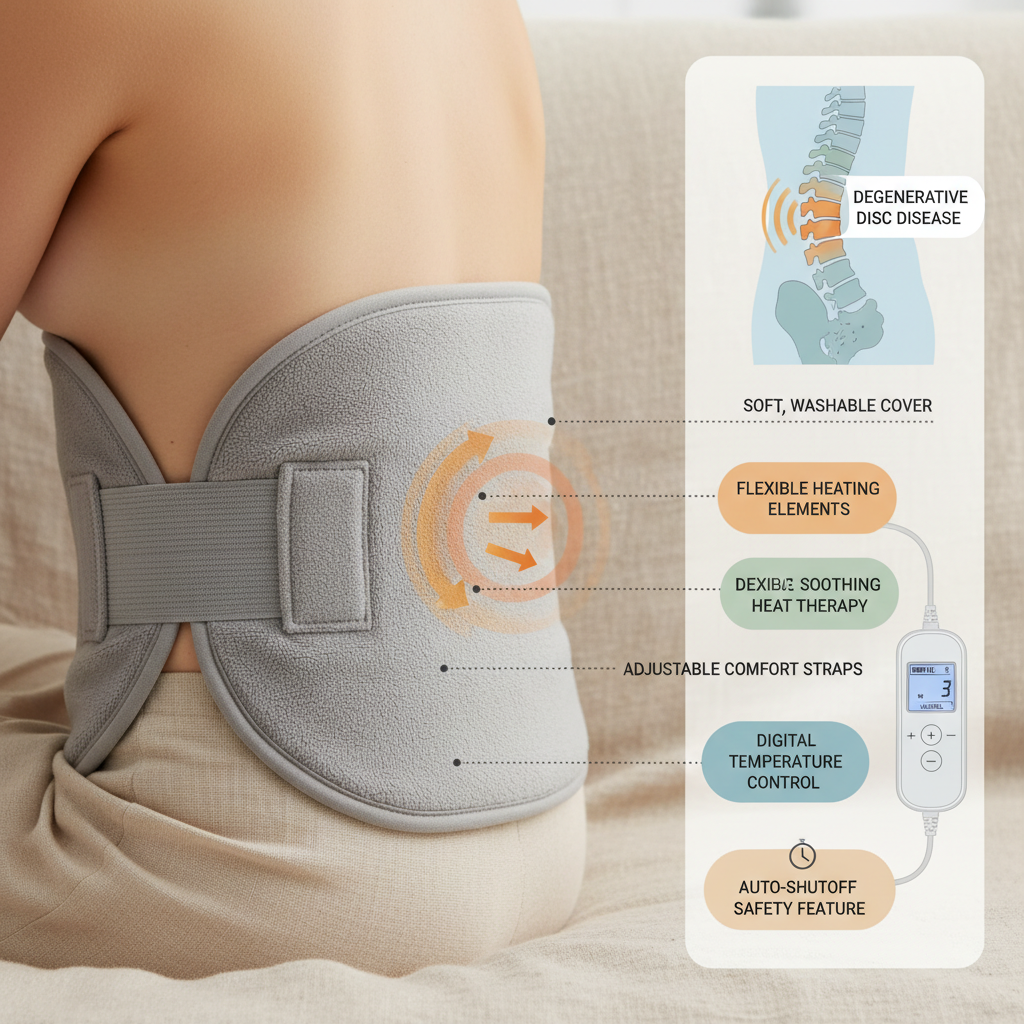
Beyond simple comfort, car heating pads can offer therapeutic benefits, helping to alleviate muscle tension and stiffness. This makes them particularly appealing to individuals who spend extended periods driving or who suffer from chronic pain conditions. Understanding the different types, features, and safety considerations associated with these products is essential for making an informed purchase.
Defining Car Heating Pads
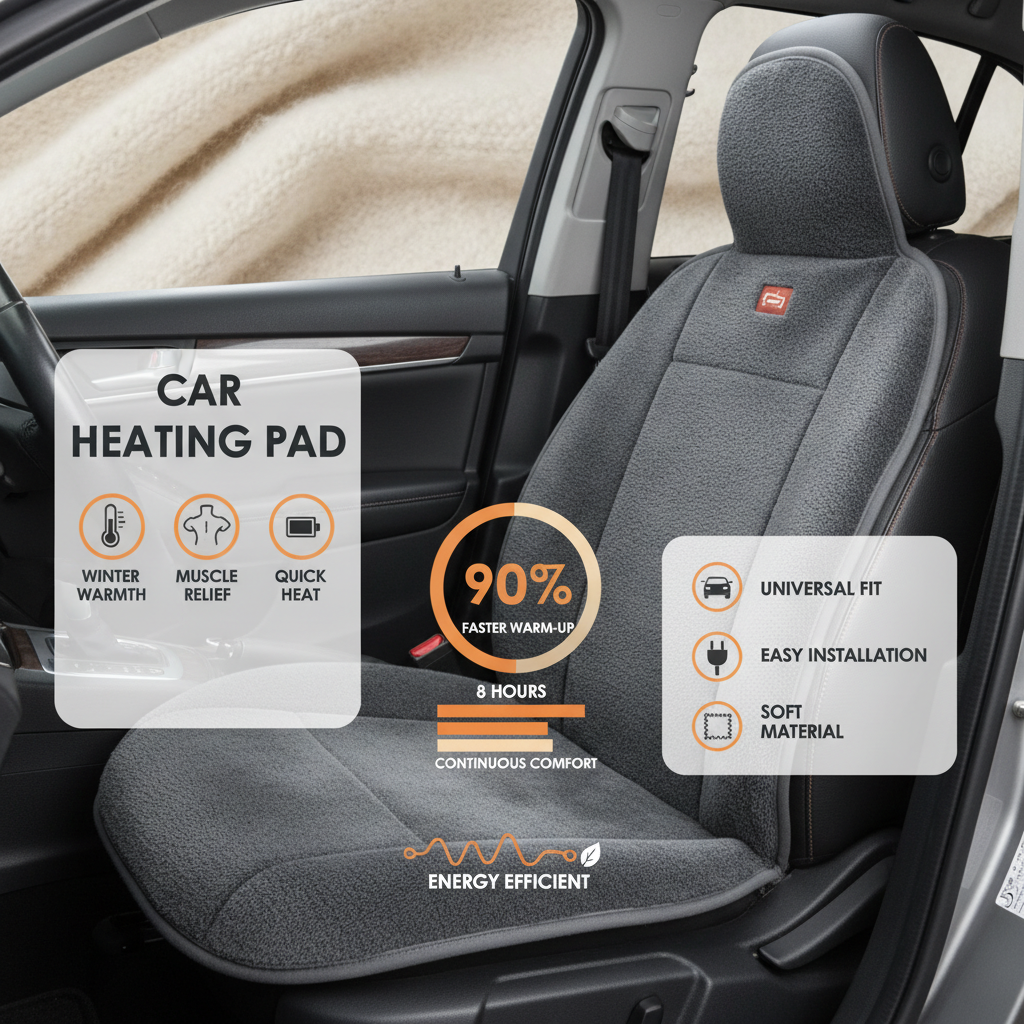
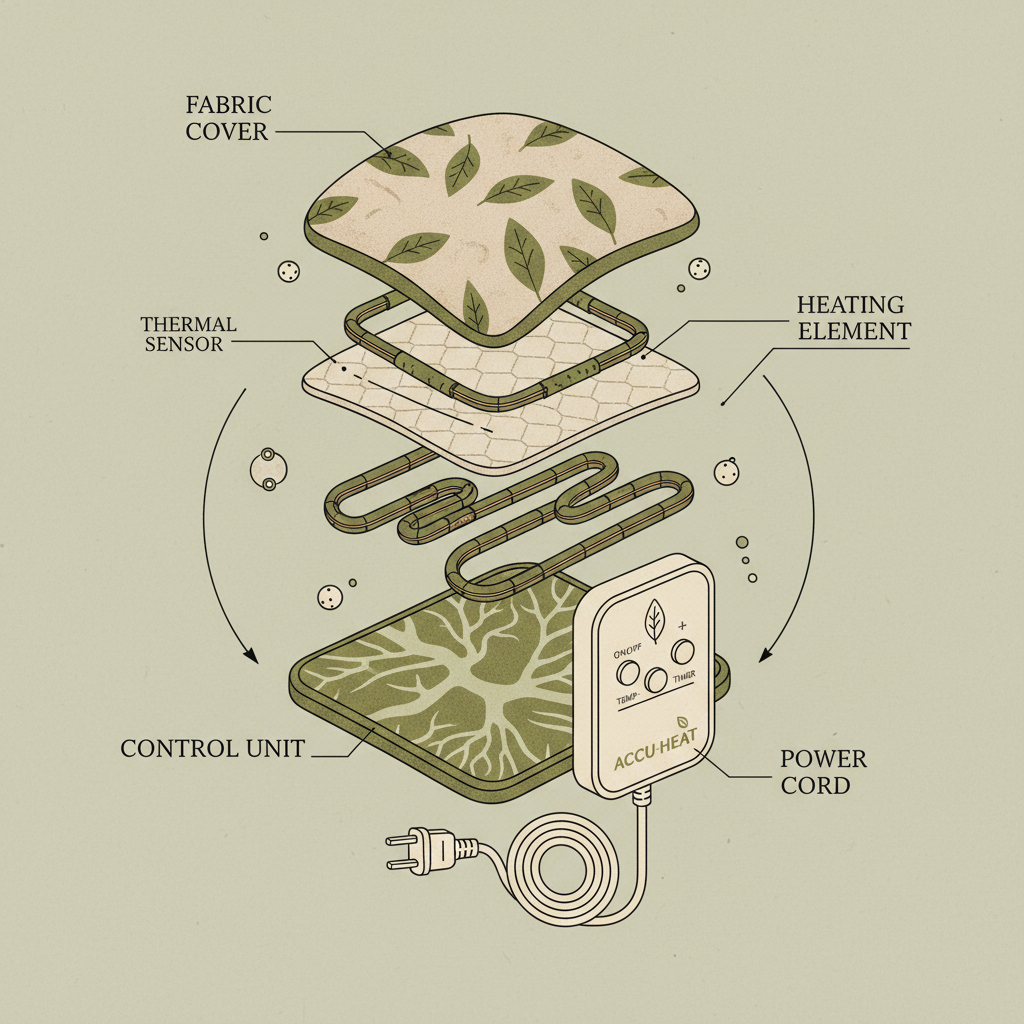
A car heating pad is essentially an electrically powered pad designed to provide warmth to a specific area within a vehicle, typically the seat or backrest. They operate by converting electrical energy into heat through internal heating elements, offering a localized and adjustable source of warmth.
Unlike built-in heated seats, car heating pads are typically portable and can be easily moved between vehicles. This flexibility makes them a versatile option for drivers who share vehicles or frequently rent cars. They connect to the car’s 12V power outlet (cigarette lighter) and are generally controlled by a simple on/off switch or adjustable heat settings.
The evolution of car heating pads reflects a broader trend towards personalized comfort in the automotive industry. They address a practical need – providing warmth in cold weather – while also offering potential therapeutic benefits. Their connection to modern industry lies in the growing demand for aftermarket automotive accessories and the increasing focus on driver and passenger well-being.
Key Factors of Car Heating Pads
Durability is a critical factor, as a car heating pad will be subjected to regular use and potential wear and tear. Materials used in construction, such as the heating element and outer fabric, significantly impact the product’s lifespan. Higher-quality materials translate to a longer-lasting and more reliable product.
Safety is paramount. Features such as overheat protection, automatic shut-off timers, and robust wiring are essential to prevent potential hazards. A well-designed car heating pad should meet stringent safety standards and be certified by relevant regulatory bodies.
Heat Level Adjustability allows users to customize the warmth to their preference. Multiple heat settings ensure comfort in varying weather conditions and for individuals with different sensitivity levels. A simple and intuitive control mechanism is also important for ease of use.
Global Applications of Car Heating Pads
The application of car heating pads is widespread across regions experiencing cold winters, such as North America, Europe, and parts of Asia. They are particularly popular among commuters, long-haul drivers, and individuals living in areas with harsh weather conditions.
In post-disaster relief operations, car heating pads can provide much-needed warmth and comfort to those displaced from their homes. They can be used in emergency vehicles or provided to individuals in temporary shelters.
Furthermore, industries requiring significant time spent in vehicles, such as delivery services, trucking, and taxi companies, find car heating pads valuable for enhancing driver comfort and reducing fatigue, ultimately improving productivity and safety.
Car Heating Pad Feature Importance Ratings
Advantages and Long-Term Value
The cost-effectiveness of a car heating pad is a significant advantage. Compared to the expense of installing and maintaining a factory-installed heated seat system, a portable heating pad offers a much more affordable solution for individual comfort.
From a sustainability perspective, a well-constructed car heating pad with a long lifespan reduces the need for frequent replacements, minimizing waste. Choosing products made with eco-friendly materials further enhances their sustainability profile.
Future Trends in Car Heating Pad Technology
Future car heating pad designs are likely to integrate smart technology, such as smartphone connectivity and customizable heating profiles. This will allow users to remotely control the pad, schedule heating sessions, and personalize their comfort levels.
Furthermore, the use of advanced materials, such as graphene, could lead to heating pads that are more energy-efficient, lightweight, and durable. Research into innovative heating elements that distribute heat more evenly and respond more quickly to temperature adjustments is also ongoing.
The integration with vehicle systems is another potential trend. Future vehicles might have designated ports or interfaces for seamlessly connecting and controlling aftermarket heating pads, offering a more integrated and user-friendly experience.
Challenges and Solutions for Car Heating Pads
One common challenge is ensuring consistent heat distribution across the entire pad. Poorly designed heating elements can create hot spots or areas that remain cold. Solutions involve utilizing more advanced heating element designs and incorporating heat-dissipating materials.
Another concern is the potential for overheating and electrical hazards. Implementing robust safety features, such as automatic shut-off timers and overheat protection circuits, is crucial. Regular quality control testing and adherence to safety standards are also essential.
Durability remains a challenge, as frequent use and exposure to vehicle vibrations can lead to wear and tear. Using high-quality materials and reinforcing key stress points can significantly improve the longevity of a car heating pad.
Summary of Challenges and Solutions for Car Heating Pads
| Challenge |
Impact on User Experience |
Potential Solution |
Implementation Cost (1-10) |
| Uneven Heat Distribution |
Discomfort, Reduced Therapeutic Benefit |
Advanced Heating Element Design |
6 |
| Overheating Risk |
Safety Hazard, Potential Damage |
Automatic Shut-Off, Overheat Protection |
5 |
| Limited Durability |
Frequent Replacements, Increased Cost |
High-Quality Materials, Reinforced Construction |
7 |
| Power Consumption |
Battery Drain, Energy Waste |
Energy-Efficient Heating Elements |
4 |
| Inconsistent Controls |
Difficult to Adjust, User Frustration |
Intuitive Control Panel, Digital Settings |
5 |
| Portability Limitations |
Inconvenient for Travel |
Compact Design, Carry Bag |
3 |
FAQS
When choosing a car heating pad, prioritize safety features like overheat protection, which automatically shuts off the pad if it gets too hot. An automatic shut-off timer is also crucial to prevent battery drain and reduce the risk of overheating when the vehicle is parked. Look for pads with robust wiring and certifications from recognized safety organizations. Avoid products with frayed cords or damaged components.
The warm-up time for a car heating pad varies depending on the model and its wattage. Generally, you can expect it to take between 2 to 5 minutes to feel noticeable warmth. Higher wattage pads tend to heat up faster. The efficiency also depends on the ambient temperature and the car's electrical system. Always allow the pad to reach its full temperature before relying on it for comfort.
Most car heating pads are designed to fit standard vehicle seats. However, it's always best to check the product specifications for compatibility. Consider the seat’s shape, size, and whether it has side airbags. Some pads may not be suitable for seats with integrated side airbags or seats with unusual contours. Ensure the pad does not interfere with the seat’s safety features.
Car heating pads typically consume between 15 to 60 watts of power. While this is relatively low, prolonged use, especially when the engine is off, can potentially drain your car battery. It is recommended to use the pad while the engine is running to prevent battery depletion. Many pads feature an automatic shut-off timer to mitigate this risk.
The lifespan of a car heating pad depends on the quality of materials and frequency of use. A well-made pad, with proper care, can last anywhere from 2 to 5 years. Factors like exposure to extreme temperatures, rough handling, and regular wear and tear can affect its longevity. Proper storage during off-season months can help extend its lifespan.
Individuals with medical conditions such as diabetes or circulatory problems should consult with their doctor before using a car heating pad. Reduced sensation or impaired circulation can increase the risk of burns. If approved by a healthcare professional, it’s crucial to use the pad on the lowest heat setting and limit exposure to prevent potential complications. Regularly check the skin for any signs of redness or irritation.
Conclusion
In conclusion, the car heating pad offers a convenient, affordable, and versatile solution for enhancing driving comfort and potentially providing therapeutic benefits. From improved warmth in cold weather to localized pain relief, these devices address a range of needs for drivers and passengers alike. Understanding the key factors – durability, safety, and heat adjustability – is crucial for making an informed purchase and maximizing the value of this automotive accessory.
Looking ahead, advancements in materials and technology promise even more sophisticated car heating pad options, with features like smart connectivity and personalized heating profiles. As demand for enhanced in-car comfort continues to grow, the car heating pad is poised to become an increasingly essential accessory for vehicle owners. Visit our website at www.bdtheatingpads.com to explore our range of products and experience the difference.