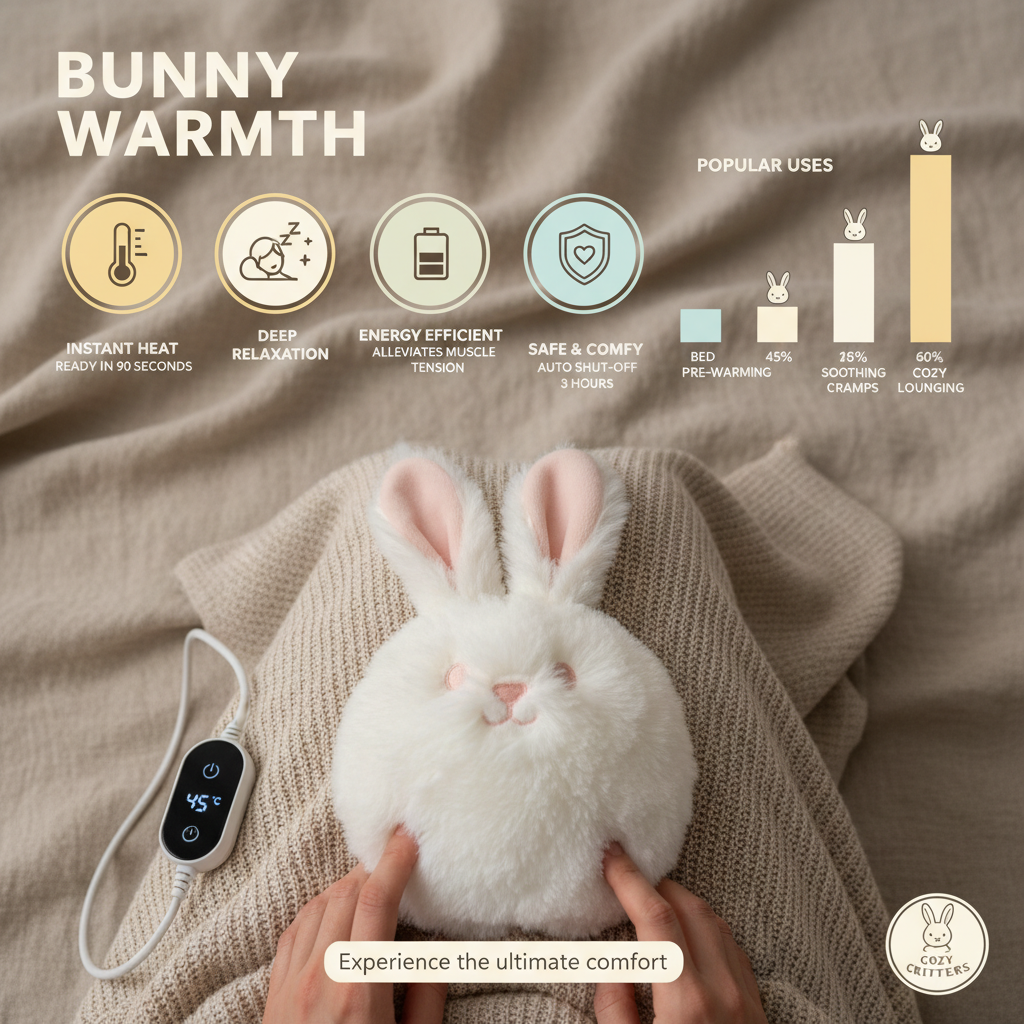
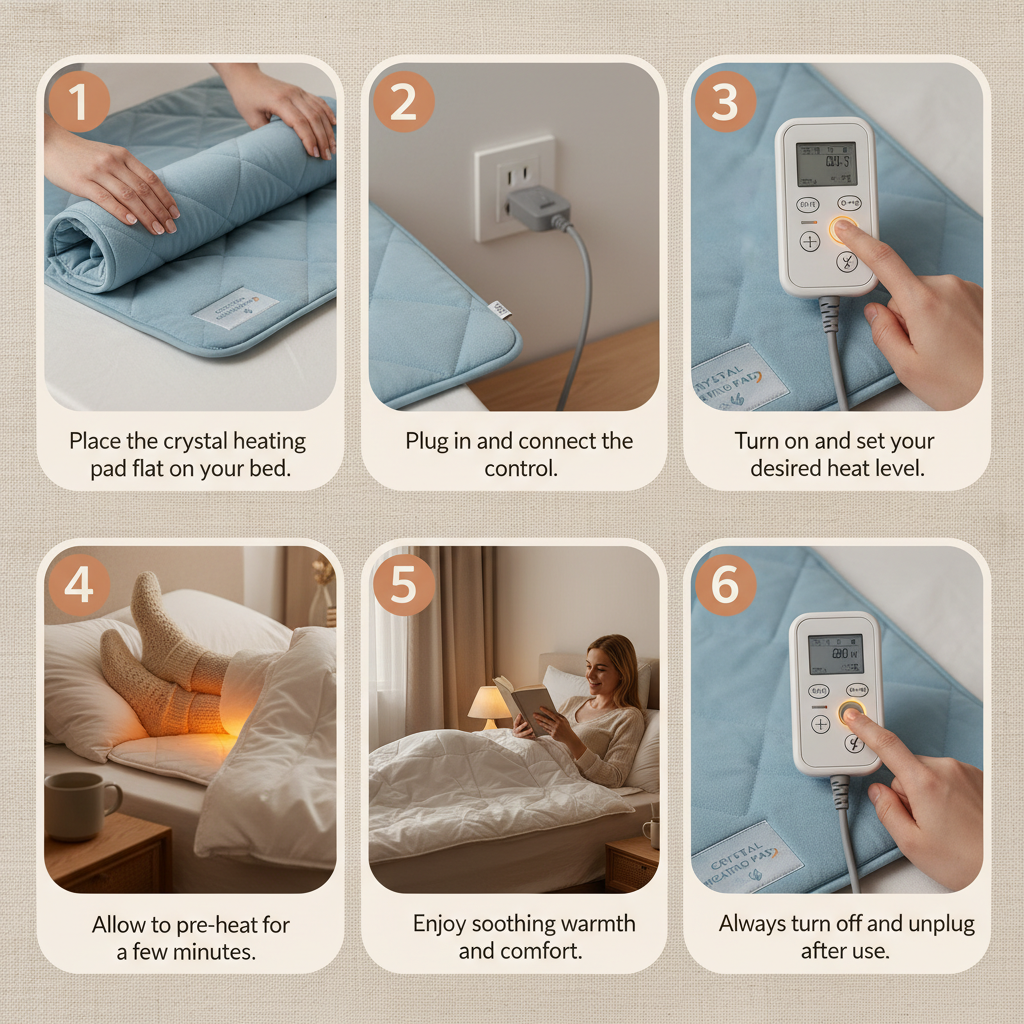
The increasing demand for effective and safe warming solutions for small animals, particularly rabbits, has driven the development of the bunny heating pad. These pads provide consistent, low-level heat, mimicking a rabbit’s natural body temperature, which is crucial for their wellbeing, especially for young, sick, or elderly rabbits. They represent a significant improvement over traditional heating methods, offering a safer and more controlled environment.
The global pet care market is experiencing substantial growth, fueled by the humanization of pets and increased disposable income. Within this market, the demand for specialized health and comfort products, like the bunny heating pad, is rising rapidly. This is partly due to a greater awareness of animal welfare and the recognition of the specific thermal needs of different species.
The bunny heating pad addresses a vital need: preventing hypothermia and providing comfort to rabbits in various situations, from post-surgery recovery to outdoor housing in colder climates. It moves beyond simply providing warmth and offers a targeted solution designed for a sensitive animal, improving their quality of life and supporting optimal health.
The Significance of Bunny Heating Pads
The bunny heating pad isn't merely a comfort item; it's a preventative health measure. Rabbits are highly susceptible to hypothermia, particularly those recovering from illness or surgery. Maintaining a stable body temperature is critical for their immune system function and overall recovery. Utilizing a dedicated heating pad ensures a safe and consistent warmth source, unlike potentially hazardous alternatives like hot water bottles or human heating pads.
Furthermore, providing appropriate warmth helps conserve a rabbit’s energy. When a rabbit is cold, it expends significant energy simply trying to stay warm, leaving less energy for essential functions like eating, digesting, and fighting off illness. A bunny heating pad assists in reducing this energy expenditure, supporting a healthier and more comfortable life.
Defining the Bunny Heating Pad
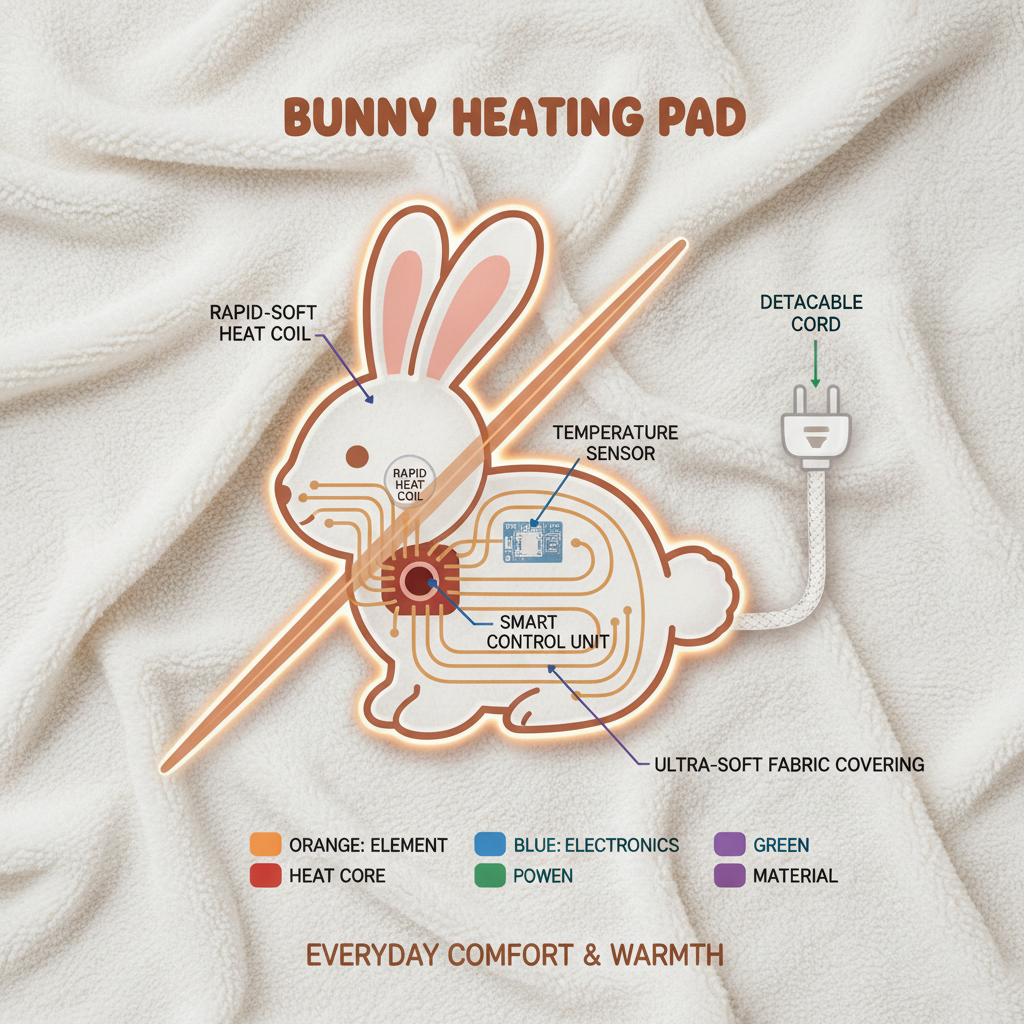
A bunny heating pad is a specifically designed warming device intended to provide gentle, consistent heat for rabbits. Unlike general-purpose heating pads, these are often constructed with safety features tailored to a rabbit's needs. This includes low and consistent temperature settings, protective covers to prevent chewing, and often, materials that are durable and easy to clean.
The core function extends beyond simple warmth; it addresses a crucial physiological need. Rabbits maintain a higher normal body temperature than humans (around 101-102.5°F). Maintaining this temperature is vital for proper metabolic function. A bunny heating pad helps bridge the gap when ambient temperatures are insufficient, ensuring the rabbit remains within its optimal thermal range.
In the modern pet care industry, the bunny heating pad represents a specialized solution catering to the evolving understanding of animal welfare and comfort. It embodies a shift towards providing targeted care based on species-specific needs, rather than applying generalized human-centric approaches.
Key Factors Influencing Bunny Heating Pad Effectiveness
Several core components contribute to the effectiveness of a bunny heating pad. First and foremost is Temperature Control. A safe and effective pad must offer adjustable and consistent low-level heat, preventing overheating or burns. Secondly, Material Safety is paramount – the pad's construction should utilize non-toxic materials, resistant to chewing and scratching.
Another crucial aspect is Durability. Rabbits can be destructive, so a robustly constructed pad is essential for longevity. Ease of Cleaning is also key; rabbit environments require frequent cleaning, and the pad should be easily sanitized to maintain hygiene. Finally, Size and Shape matter; a pad appropriately sized for the rabbit's enclosure and body allows for comfortable positioning. Cord Safety is often overlooked, but a chew-resistant cord is vital for preventing electrical hazards.
These factors directly impact practical application. For example, a heating pad with poor temperature control poses a serious risk to the rabbit's health. Similarly, a pad constructed from easily chewed materials creates a potential hazard. A durable, easy-to-clean pad, conversely, simplifies maintenance and reduces the risk of bacterial contamination, ensuring a hygienic and safe environment for the rabbit.
These considerations aren't merely technical specifications; they represent a commitment to animal welfare. A well-designed bunny heating pad prioritizes the rabbit’s safety, comfort, and long-term health.
Practical Applications of Bunny Heating Pads
The applications of a bunny heating pad extend far beyond simply keeping a rabbit warm during winter. One critical use case is Post-Surgical Recovery. Following surgery, rabbits often experience a drop in body temperature and require a stable, warm environment to aid healing. Another application is Supporting Sick Rabbits. Illness often compromises a rabbit's ability to regulate its body temperature, making a heating pad essential for their comfort and recovery.
Furthermore, they are beneficial for Young or Elderly Rabbits. These rabbits are less capable of maintaining their body temperature independently and require additional warmth. They are also invaluable for Outdoor Housing. In colder climates, a bunny heating pad can provide essential warmth in outdoor hutches, ensuring the rabbit's wellbeing. Lastly, providing comfort during Transport; during travel a bunny heating pad can help maintain a rabbit’s temperature and minimize stress.
Bunny Heating Pad Feature Importance
Global Applications and Use Cases
The need for bunny heating pad solutions isn't confined to any single region. In countries with colder climates, like Canada and Scandinavian nations, these pads are frequently used to provide essential warmth to rabbits housed outdoors during winter. Similarly, in regions prone to power outages, a heating pad can offer a lifeline during emergencies.
Veterinary clinics and animal shelters worldwide utilize bunny heating pads as standard equipment for post-operative care and for treating sick or injured rabbits. Rabbit breeders also rely on these pads to maintain optimal temperatures for newborn kits, ensuring their survival and healthy development. Furthermore, rescue organizations often include heating pads in care packages for rabbits awaiting adoption, ensuring their comfort and wellbeing during transitions.
In post-disaster relief operations where animals are displaced, providing appropriate thermal support is crucial. Bunny heating pads can be a valuable asset in these situations, offering a lightweight and portable solution for maintaining rabbit body temperature.
Advantages and Long-Term Value
The advantages of using a dedicated bunny heating pad are numerous. Firstly, they offer a significantly higher level of safety compared to makeshift heating solutions. Precise temperature control minimizes the risk of burns, and durable construction reduces the chance of electrical hazards. Secondly, they provide improved comfort and wellbeing for the rabbit, reducing stress and promoting overall health.
From a long-term perspective, investing in a quality bunny heating pad is cost-effective. It can prevent costly veterinary bills associated with hypothermia or complications from illness. The durability of a well-made pad also ensures longevity, minimizing the need for frequent replacements.
Future Trends and Innovations
The future of bunny heating pad technology is likely to see integration with smart home systems, allowing for remote temperature monitoring and control. We can also expect advancements in material science, resulting in more durable, chew-resistant, and energy-efficient pads.
Furthermore, the increasing emphasis on sustainability will drive the development of eco-friendly heating pad materials and energy sources. Integration with renewable energy, such as solar power, could significantly reduce the environmental impact of these devices. Digital temperature sensors and automated controls will enhance precision and safety.
The drive for increased animal welfare will also likely spur innovations in pad design, such as ergonomic shapes and integrated features that promote natural rabbit behavior.
Challenges & Solutions
One of the main challenges with bunny heating pads is ensuring rabbit safety. Despite safety features, rabbits may still chew on cords or overheat if temperature controls fail. A potential solution is utilizing fully enclosed, chew-proof heating elements and incorporating multiple redundant safety mechanisms. Another challenge is the cost, which can be prohibitive for some rabbit owners.
Addressing this requires promoting affordable, high-quality options and offering educational resources on the long-term benefits of investing in a reliable heating pad. Ensuring ease of cleaning presents another hurdle. Materials that are both durable and easily sanitized are crucial, and designs that allow for removable, washable covers can address this.
Finally, a challenge lies in educating rabbit owners about the appropriate use and maintenance of heating pads. Clear instructions, readily available support, and regular safety reminders can help mitigate risks and maximize the benefits of this valuable tool.
Bunny Heating Pad Performance Comparison
| Material Durability |
Temperature Control Precision |
Ease of Cleaning |
Safety Features |
| 8/10 (Good resistance to minor chewing) |
7/10 (Stable temperature, minor fluctuations) |
9/10 (Easy to wipe down, removable cover) |
8/10 (Overheat protection, chew-resistant cord) |
| 6/10 (Moderate chew resistance) |
8/10 (Precise temperature control) |
7/10 (Requires careful cleaning) |
7/10 (Basic overheat protection) |
| 9/10 (Excellent chew resistance) |
9/10 (Very precise temperature control) |
10/10 (Machine washable cover) |
9/10 (Multiple safety features) |
| 7/10 (Average durability) |
6/10 (Some temperature fluctuations) |
6/10 (Difficult to clean thoroughly) |
6/10 (Basic overheat protection) |
| 5/10 (Low chew resistance) |
5/10 (Inconsistent temperature) |
5/10 (Very difficult to clean) |
5/10 (Limited safety features) |
| 8/10 (Good durability) |
7/10 (Reliable temperature control) |
8/10 (Easy to wipe clean) |
7/10 (Overheat protection, durable cord) |
FAQS
Generally, a low setting is best, aiming for a temperature between 95-100°F (35-38°C). Always supervise your rabbit initially to ensure they don't overheat. The goal isn’t to make the pad hot, but to provide gentle warmth. Consider placing a layer of fabric between the pad and your rabbit for added comfort and temperature moderation. A bunny heating pad designed with precise temperature control is essential for safety.
Leaving a heating pad on overnight requires caution. Choose a pad with automatic shut-off features and overheat protection. Ensure the rabbit has the ability to move away from the heat source if they become too warm. A quality bunny heating pad will have built-in safety mechanisms, but constant supervision is still recommended, especially during initial use. It's best to start with shorter periods and gradually increase duration if your rabbit tolerates it well.
Prioritize non-toxic materials that are durable and easy to clean. Look for pads with chew-resistant covers and cords to prevent electrical hazards. Avoid materials that can easily be ingested by your rabbit. A pad with a waterproof or water-resistant cover is also beneficial for easy cleaning and hygiene. The construction should be robust enough to withstand your rabbit’s natural behaviors.
Clean the bunny heating pad regularly, ideally at least once a week, or more frequently if it becomes soiled. Remove any rabbit fur or debris. Wipe down the surface with a mild, non-toxic cleaner. If the pad has a removable cover, follow the manufacturer's instructions for washing. Maintaining a clean pad is crucial for preventing bacterial growth and ensuring your rabbit’s health.
Using a human heating pad for a rabbit is generally not recommended. Human heating pads often get too hot and lack the precise temperature control needed for a rabbit's sensitive skin. They also typically don't have the chew-resistant features necessary to prevent electrical hazards. It's best to invest in a bunny heating pad specifically designed for their needs, as it prioritizes their safety and comfort.
If your rabbit is ignoring the heating pad, try placing it under a favorite blanket or in a familiar spot in their enclosure. You can also try lightly scenting the pad with some of your rabbit’s own scent. Ensure the temperature isn’t too high, as rabbits may avoid it if it’s uncomfortable. Start with very short periods of use and gradually increase the time to allow your rabbit to acclimate.
Conclusion
In conclusion, the bunny heating pad represents a significant advancement in rabbit care. By providing a safe, consistent, and controlled source of warmth, these pads address a crucial physiological need, improving the wellbeing of rabbits in various situations, from post-surgery recovery to simply providing comfort during colder months. The benefits extend beyond comfort, encompassing improved health, reduced stress, and a better quality of life for our furry companions.
Investing in a high-quality bunny heating pad is a proactive step towards responsible pet ownership. As technology continues to evolve, we can anticipate even more innovative and sustainable solutions in this field, further enhancing the lives of rabbits worldwide. By understanding the importance of thermal regulation and providing the appropriate support, we can ensure these sensitive animals thrive. Visit our website at www.bdtheatingpads.com to learn more.