The gentle warmth of a buckwheat heating pad offers a time-honored remedy for soothing aches, relieving stress, and promoting overall well-being. Beyond a simple comfort item, these pads represent a sustainable and natural approach to heat therapy, deeply rooted in tradition yet increasingly relevant in a modern world seeking holistic health solutions. Understanding the principles and benefits of buckwheat heating pads allows individuals to harness their potential for therapeutic relief and a more natural lifestyle.
Globally, the demand for natural and non-pharmacological pain management techniques is on the rise, driven by increasing awareness of the potential side effects of conventional medications and a growing interest in alternative therapies. Buckwheat, a pseudocereal, boasts properties that make it exceptionally suitable for heat retention, offering a safe and effective alternative to electric heating pads or hot water bottles. The World Health Organization emphasizes the importance of self-care and preventative health measures, aligning perfectly with the convenient and accessible nature of a buckwheat heating pad.
The increasing prevalence of chronic pain conditions – affecting an estimated 20% of adults worldwide, according to the International Association for the Study of Pain – underscores the need for accessible and affordable pain relief options. Buckwheat heating pads provide a versatile solution, capable of addressing a wide range of discomforts, from muscle soreness to menstrual cramps, making them an increasingly popular choice across diverse populations.
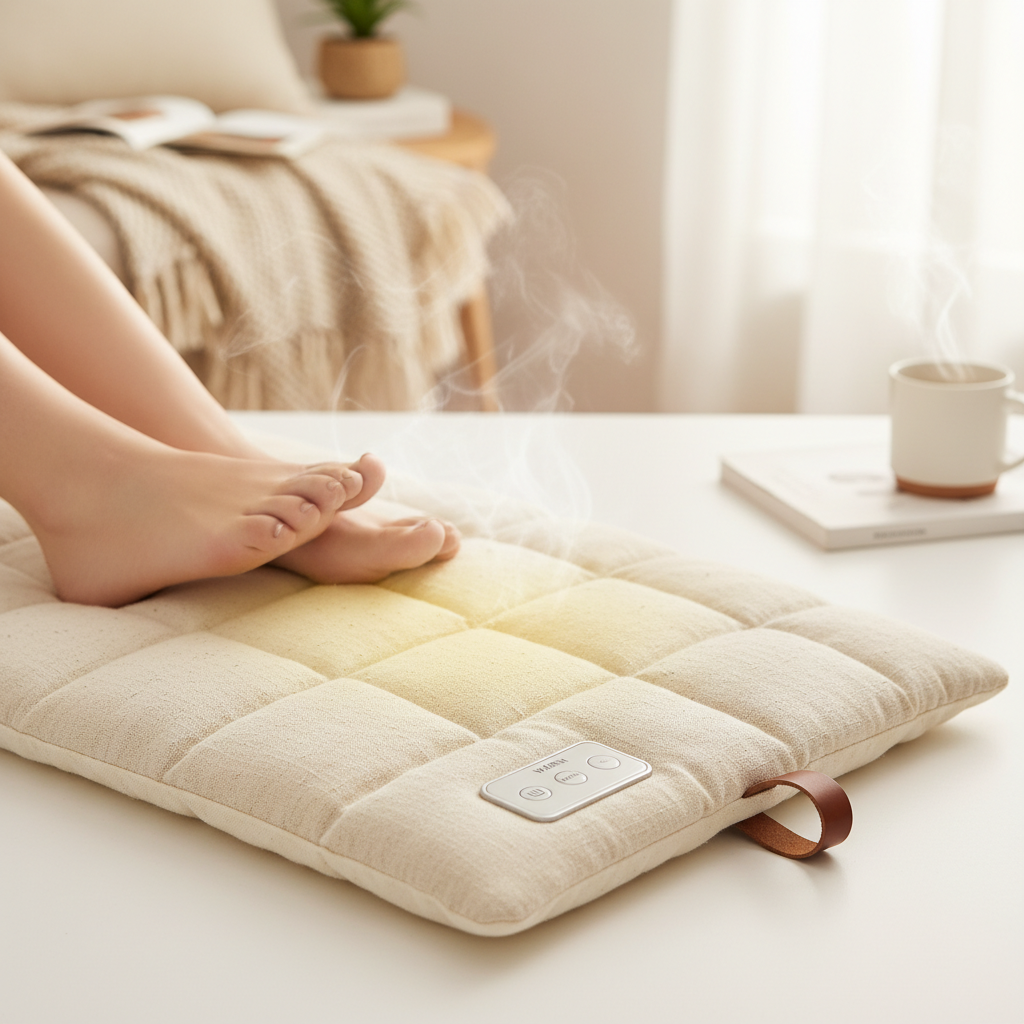
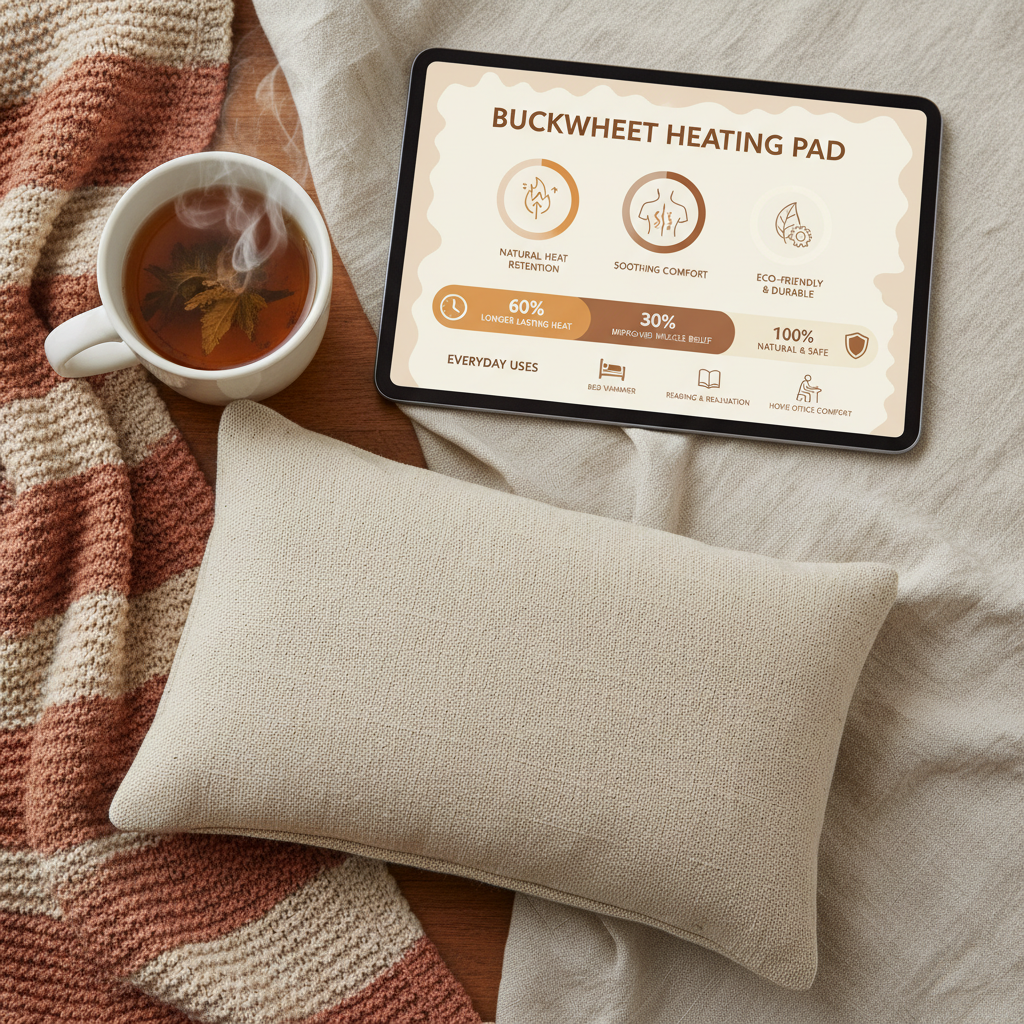
At the heart of a buckwheat heating pad lies the remarkable ability of buckwheat hulls to retain heat exceptionally well. Unlike other materials, the unique structure of these hulls allows for airflow, preventing the pad from becoming too hot and ensuring a comfortable, consistent warmth. This makes them ideal for targeted pain relief and relaxation.
Furthermore, buckwheat hulls are a naturally sustainable resource. As a byproduct of buckwheat grain production, utilizing the hulls reduces waste and promotes environmentally conscious practices. Choosing a buckwheat heating pad is thus a step towards a more eco-friendly lifestyle without compromising on therapeutic benefits.
Buckwheat heating pads offer a natural, drug-free alternative to electric heating pads. While electric pads provide instant heat, buckwheat pads retain warmth for an extended period without the risk of EMF exposure or potential electrical hazards. They’re also more portable and don’t require an outlet, making them ideal for travel or situations where electricity isn't readily available. Furthermore, buckwheat heating pads conform better to the body and offer gentle, soothing warmth, unlike the sometimes harsh heat of electric versions.
To heat your buckwheat heating pad, place it in a microwave for 1-3 minutes, starting with a shorter time and adding 30-second intervals until desired warmth is reached. Alternatively, you can heat it in a conventional oven at 300°F (150°C) for 15-20 minutes. Always ensure the pad isn’t too hot before applying it to the skin. It's crucial to follow the manufacturer’s instructions for heating times and temperatures to prevent overheating or damage to the pad.
A properly heated buckwheat heating pad can retain warmth for 30-60 minutes, depending on the ambient temperature and the amount of heat initially applied. The buckwheat hulls' natural insulating properties allow them to slowly release heat, providing sustained relief for an extended period. This makes them perfect for relaxation, pain management, or keeping warm on chilly evenings.
Buckwheat heating pads are generally safe for most ages, but caution should be exercised with infants, young children, and individuals with reduced sensitivity to heat. Always test the temperature on a small area of skin before applying the pad extensively. Never leave a heating pad unattended with a young child. It is also important to consult with a healthcare professional if you have any concerns about using a heating pad, especially if you have underlying medical conditions.
Cleaning a buckwheat heating pad is relatively simple. The outer fabric can usually be spot cleaned with a damp cloth and mild detergent. Avoid getting the buckwheat hulls wet, as this can damage them. If the hulls need refreshing, you can place the pad in direct sunlight for a few hours to help deodorize and revitalize them. Proper care will extend the life and effectiveness of your heating pad.
The buckwheat used in high-quality heating pads like those from bdtheatingpads.com is typically sourced from reputable farms that prioritize sustainable and ethical practices. Look for pads made with buckwheat grown without harmful pesticides or chemicals. Responsible sourcing ensures that the production of your heating pad supports environmental stewardship and fair labor practices, contributing to a more sustainable supply chain.
In conclusion, the buckwheat heating pad represents a harmonious blend of tradition, sustainability, and therapeutic efficacy. From its origins in ancient practices to its modern applications in pain management and wellness, it remains a remarkably versatile and valuable tool for promoting health and well-being. Its unique attributes – heat retention, conformability, sustainability, and portability – set it apart from conventional heating methods, making it a preferred choice for individuals seeking natural and accessible relief.
Looking ahead, continued innovation in materials and technology will further enhance the benefits of buckwheat heating pads, while a growing emphasis on sustainability will solidify their position as an eco-conscious choice. We encourage you to explore the transformative potential of this time-honored remedy and experience the soothing comfort and holistic benefits that a buckwheat heating pad can provide. Visit our website: www.bdtheatingpads.com to learn more and find the perfect pad for your needs.

Our Products
Contact Us