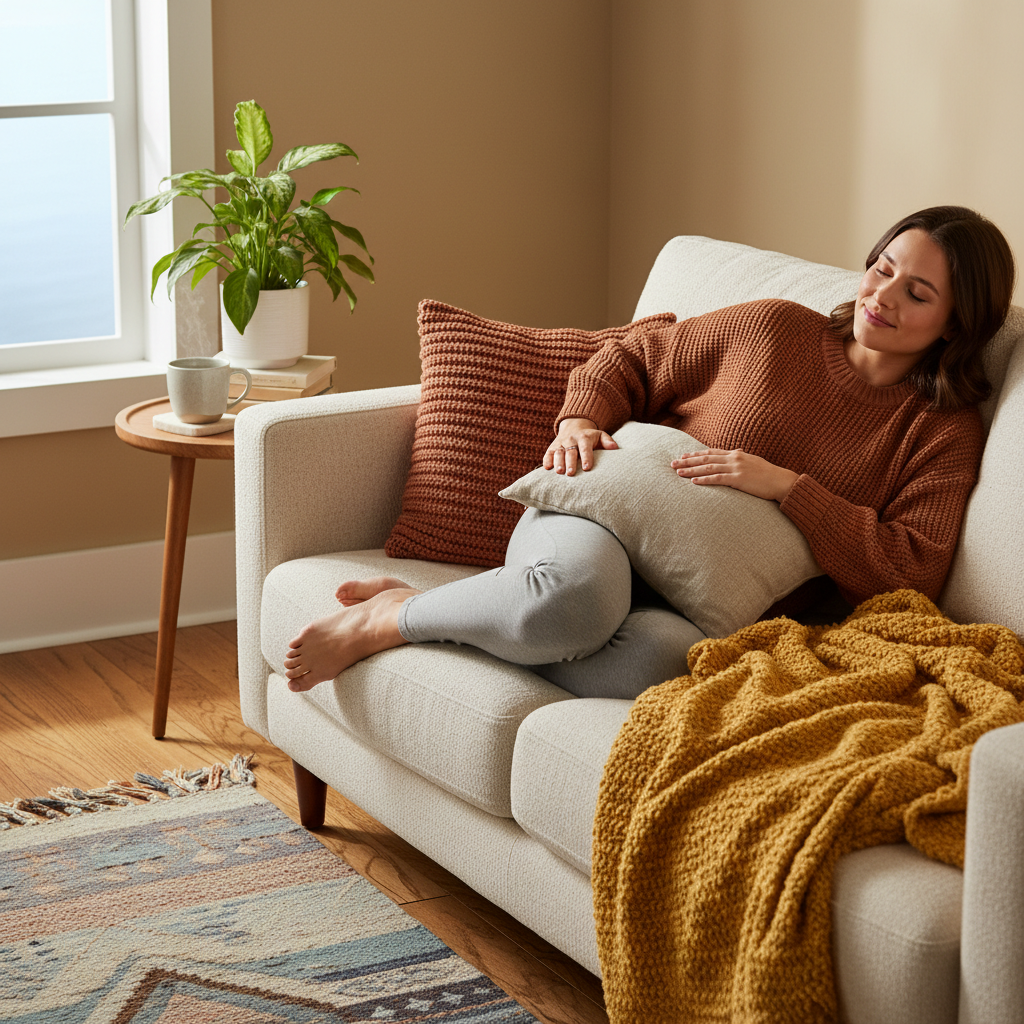
The humble bean heating pad, a seemingly simple invention, is rapidly gaining recognition as a versatile and sustainable solution for localized heat therapy and comfort. Globally, the demand for accessible and affordable wellness tools is soaring, driven by increasing awareness of self-care and a desire for natural alternatives to traditional pain management. This trend, combined with a growing focus on eco-friendly products, positions bean heating pads as a compelling option for individuals seeking relief from muscle soreness, menstrual cramps, or simply a comforting warmth.
The rise of bean heating pad usage is not limited to individual consumers. Healthcare professionals are increasingly recommending them as a gentle, non-invasive therapeutic aid. Furthermore, their portability and ease of use make them ideal for travel, outdoor activities, and emergency preparedness kits. The simplicity of their design belies their effectiveness, making them a staple for a wide demographic, from athletes to seniors, across diverse climates and lifestyles.
Understanding the nuances of bean heating pads—from the types of beans used to the optimal heating methods and safety precautions—is crucial for maximizing their benefits and ensuring responsible consumption. A deeper dive into this topic reveals a fascinating interplay of traditional knowledge, material science, and evolving consumer needs, making the bean heating pad more than just a cozy companion.
Introduction to Bean Heating Pads
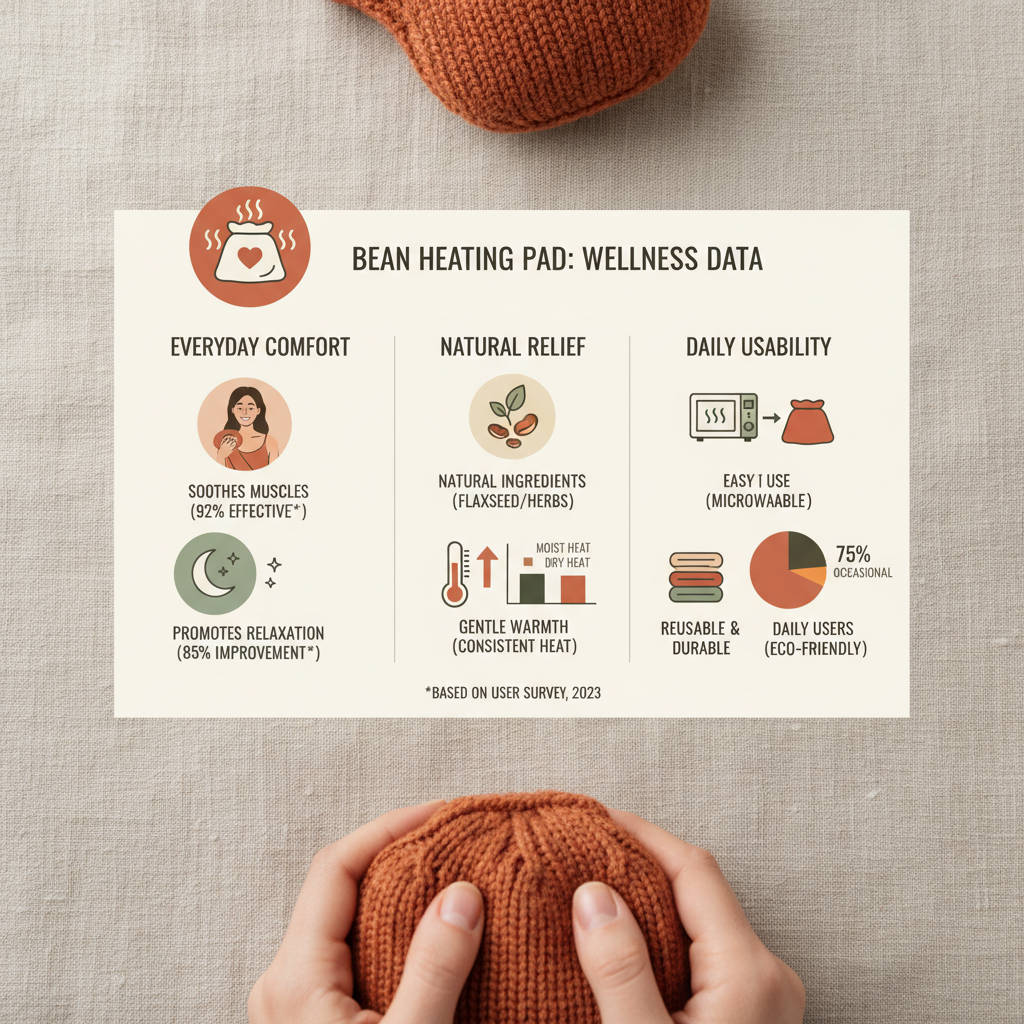
The simple yet effective bean heating pad has enjoyed a resurgence in popularity, bridging traditional remedies with modern lifestyles. Once relegated to the realm of grandmother’s remedies, these pads are now recognized for their gentle, moist heat that effectively soothes muscles and alleviates discomfort. The core appeal lies in their natural composition and ease of use, offering a drug-free alternative to conventional pain relief methods.
The increasing interest in holistic wellness and sustainable living further fuels the demand for bean heating pads. Consumers are actively seeking products that are not only effective but also environmentally responsible, and the use of natural materials like beans and organic fabrics aligns perfectly with these values. This makes bean heating pads a particularly attractive option for those conscious about their health and the planet.
Defining the Bean Heating Pad
A bean heating pad, at its core, is a fabric pouch filled with dried legumes – typically beans, but sometimes rice or other grains. These are heated in a microwave or oven, retaining heat for an extended period, providing localized moist heat therapy. Unlike dry heat sources, the moisture within the beans helps to penetrate deeper into tissues, offering more effective pain relief and muscle relaxation.
This concept isn’t new; for generations, people have utilized the heat-retaining properties of grains and beans for therapeutic purposes. However, the modern bean heating pad has evolved in terms of fabric choices, bean selection for optimal heat retention, and designs catered to specific body parts (neck, shoulders, back, etc.).
Its connection to modern needs extends beyond personal comfort. In healthcare settings, they serve as a convenient, reusable, and cost-effective alternative to traditional hot packs, reducing the reliance on single-use items and promoting sustainable practices. They represent a harmonious blend of age-old wisdom and contemporary convenience.
Core Components and Material Science
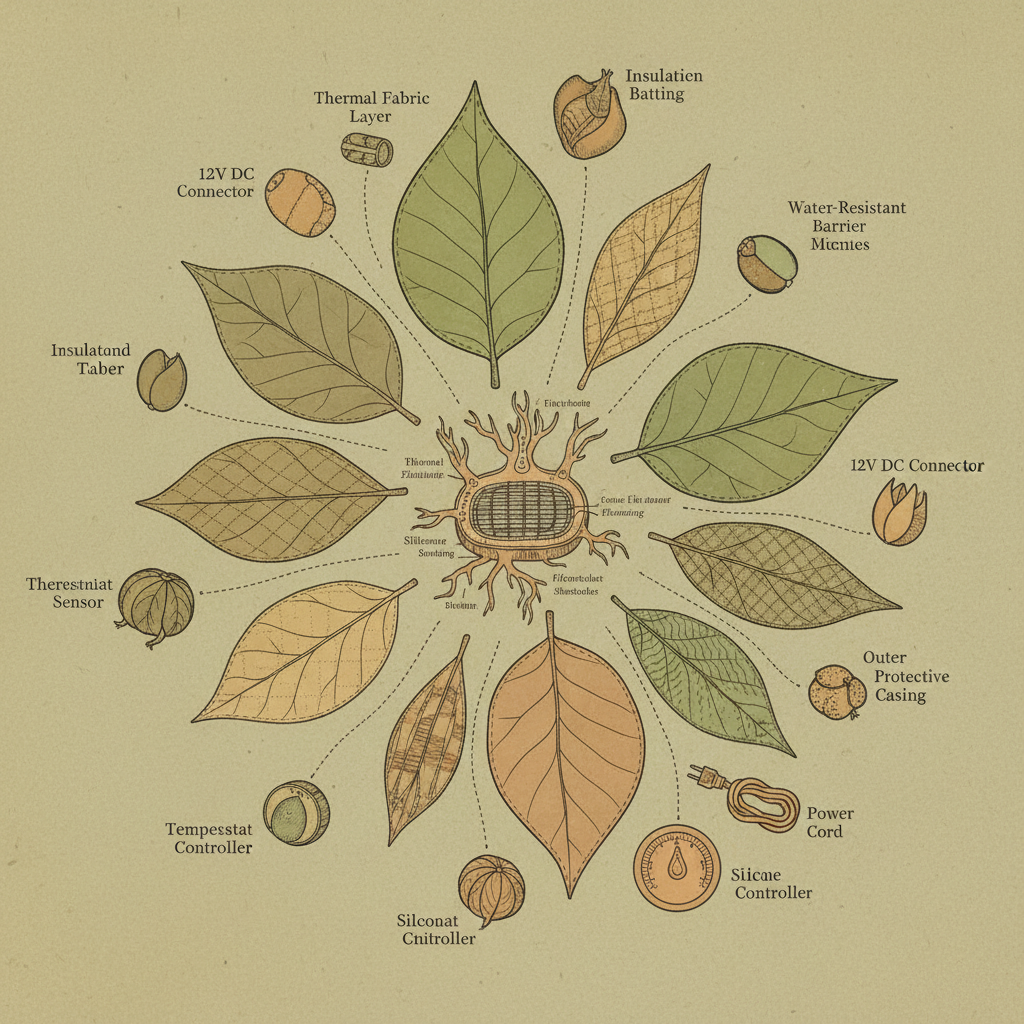
The efficacy of a bean heating pad hinges on several key components. First, the type of bean plays a critical role. Navy beans and kidney beans are popular choices due to their ability to absorb and retain moisture and heat. The fabric used for the pouch is equally important; natural fibers like cotton are preferred for their breathability and comfort, while also being durable enough to withstand repeated heating.
From a material science perspective, the beans act as a thermal mass, storing energy in the form of heat. Their high specific heat capacity means they can absorb a significant amount of energy without a drastic temperature increase, providing a gentle, consistent heat source. The moisture content within the beans converts to steam during heating, contributing to the moist heat effect that penetrates deep into tissues.
Furthermore, the construction of the pad, including the stitching and filling density, influences its heat distribution and longevity. A well-constructed bean heating pad will ensure even heat distribution and prevent bean leakage, maximizing its usability and safety.
Durability and Longevity of Bean Heating Pads
The lifespan of a bean heating pad is surprisingly long, far exceeding that of many commercially available heat packs. With proper care, a well-made pad can last for years, offering consistent performance and cost savings. Durability, however, depends on several factors, including the quality of the materials and the frequency of use.
Factors like frequent, excessive heating or exposure to moisture can compromise the beans' ability to retain heat and may lead to mold or mildew growth. Regularly inspecting the pad for tears or leaks is crucial to prevent bean spillage and maintain its effectiveness.
Bean Heating Pad Quality Ratings
Global Applications and Diverse Uses
The applications of a bean heating pad are remarkably diverse, extending far beyond simple comfort. In post-disaster relief operations, they provide warmth and comfort to those displaced from their homes, offering a small measure of normalcy during challenging times. Their portability and lack of reliance on electricity make them invaluable in emergency situations.
In remote industrial zones, where access to healthcare may be limited, bean heating pads are utilized by workers to alleviate muscle soreness and fatigue after physically demanding tasks. Athletes use them for pre- and post-workout muscle recovery, reducing soreness and improving flexibility. And, of course, they remain a popular home remedy for menstrual cramps, back pain, and general muscle tension.
Advantages: Cost, Sustainability, and Wellness
The primary advantage of a bean heating pad lies in its cost-effectiveness. Compared to electric heating pads or frequent visits to healthcare professionals for pain management, these pads represent a significantly lower financial burden. They are a one-time purchase that provides long-term relief, making them accessible to a wider range of individuals.
Sustainability is another key benefit. The use of natural, biodegradable materials minimizes environmental impact. They reduce reliance on electricity, contributing to energy conservation. From an emotional standpoint, the gentle, natural warmth provided by a bean heating pad can be incredibly soothing and comforting, promoting a sense of well-being and relaxation.
Finally, they offer a sense of control and self-care. Users can independently manage their pain and discomfort without relying on medication or professional intervention, fostering a sense of empowerment and personal responsibility for their health.
Future Trends and Innovations in Bean Heating Pad Technology
The future of bean heating pad technology is poised for innovation. Researchers are exploring the use of different bean varieties and grain mixtures to optimize heat retention and therapeutic properties. The integration of aromatherapy, through the addition of dried herbs and essential oils to the bean mixture, is gaining traction, offering a multi-sensory wellness experience.
Furthermore, advancements in fabric technology are leading to more durable, breathable, and aesthetically pleasing pad covers. Smart fabrics, with embedded sensors to monitor temperature and provide feedback to the user, may also become integrated into future designs, enhancing safety and customization.
Sustainable packaging and eco-friendly bean sourcing will continue to be a focus, aligning with the growing consumer demand for environmentally responsible products. The intersection of traditional wisdom and modern innovation promises to elevate the bean heating pad from a simple comfort item to a sophisticated wellness tool.
Summary of Key Considerations for Bean Heating Pad Development and Improvement
| Bean Type |
Fabric Material |
Heating Duration |
User Comfort & Safety |
| Navy Beans |
Organic Cotton |
3-5 Minutes |
8/10 |
| Kidney Beans |
Flannel |
2-4 Minutes |
7/10 |
| Black Beans |
Linen |
4-6 Minutes |
6/10 |
| Rice |
Polyester Blend |
1-3 Minutes |
5/10 |
| Lentils |
Silk |
2-3 Minutes |
9/10 |
| Mixed Grains |
Hemp |
3-5 Minutes |
7/10 |
FAQS
You can generally reheat your bean heating pad every 1-2 hours. However, avoid overheating it, as this can damage the beans and the fabric. Always follow the heating instructions provided with your specific pad. Regular, moderate heating will maximize its lifespan and therapeutic benefits.
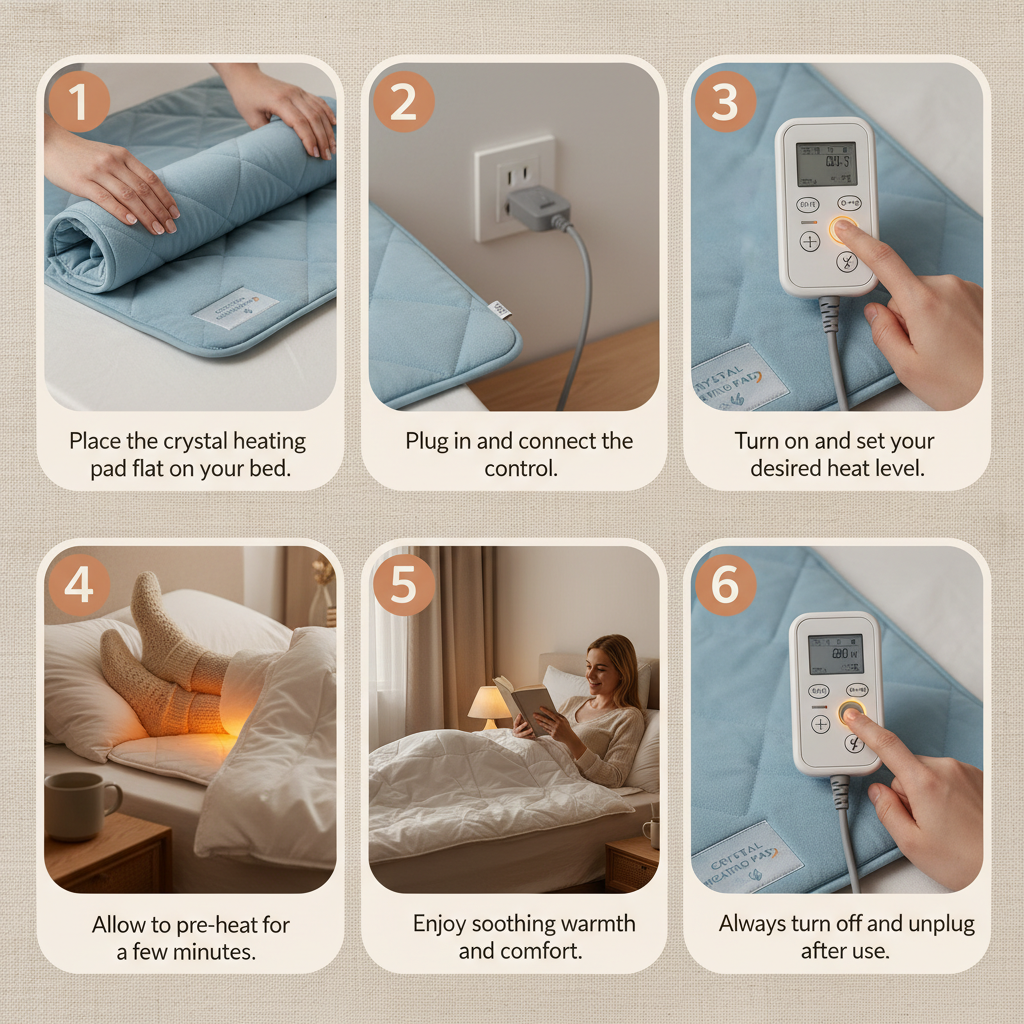
While the warmth can be comforting, it’s generally not recommended to use a bean heating pad while sleeping. Prolonged exposure to heat can lead to burns, even on a low setting. If you’re using it for muscle soreness, it's best to apply it for 20-30 minutes before bed and remove it before falling asleep.
Navy beans and kidney beans are most commonly used due to their ability to retain heat and moisture effectively. However, other options like rice, flax seeds, or cherry pits can also be used. Each bean type has slightly different heat retention properties and can influence the overall experience with your bean heating pad.
Cleaning depends on the fabric. Generally, spot cleaning with a damp cloth is sufficient for minor stains. For a more thorough cleaning, remove the beans and hand wash the fabric cover with mild detergent. Ensure the fabric is completely dry before refilling with the beans to prevent mold growth. Protect your bean heating pad by following the care instructions.
Yes, adding a few drops of essential oil to the beans can enhance the therapeutic benefits and provide aromatherapy. Lavender, chamomile, and peppermint are popular choices for relaxation and pain relief. Be sure to use only pure essential oils and add them sparingly to avoid staining the fabric of your bean heating pad.
With proper care, a well-made bean heating pad can last for several years. Replacing the beans every 1-2 years can help maintain optimal heat retention. Regular inspection for leaks and prompt repair of any damage will also extend its lifespan. Investing in quality materials and construction is key to long-term durability.
Conclusion
In conclusion, the bean heating pad represents a compelling blend of simplicity, sustainability, and therapeutic effectiveness. From its humble origins as a traditional remedy to its modern applications in wellness and healthcare, this versatile tool continues to gain recognition for its unique benefits. Its cost-effectiveness, coupled with its eco-friendly nature, positions it as a smart choice for individuals seeking natural pain relief and comforting warmth.
Looking ahead, continued innovation in materials and design will further enhance the functionality and appeal of bean heating pads. Embracing sustainable practices and exploring the potential of aromatherapy and smart fabric technology will solidify their position as a cornerstone of holistic wellness. Visit our website at www.bdtheatingpads.com to discover the perfect bean heating pad for your needs!