The bean bag heating pad microwavable has become an increasingly popular solution for localized heat therapy, offering convenience and comfort to individuals seeking relief from muscle aches, stiffness, and other discomforts. Its portability and ease of use make it an ideal option for both home and on-the-go applications. Understanding the nuances of these heating pads – from material composition to heating methods – is crucial for maximizing their benefits and ensuring safe usage.
Globally, the demand for accessible and effective pain management solutions is consistently rising, driven by factors like an aging population, increased participation in sports and fitness activities, and a growing awareness of self-care practices. The bean bag heating pad microwavable caters directly to this demand, providing a drug-free alternative for pain relief that's often preferred by those seeking natural remedies. Market research indicates a significant growth trajectory for this product category over the next decade.
The growing interest in holistic wellness and the desire for non-invasive pain relief methods contribute significantly to the widespread adoption of bean bag heating pad microwavable. They represent a cost-effective and readily available solution, making them accessible to a broad demographic. This is particularly important in areas with limited access to healthcare facilities or for individuals seeking preventative care measures.
Introduction to bean bag heating pad microwavable
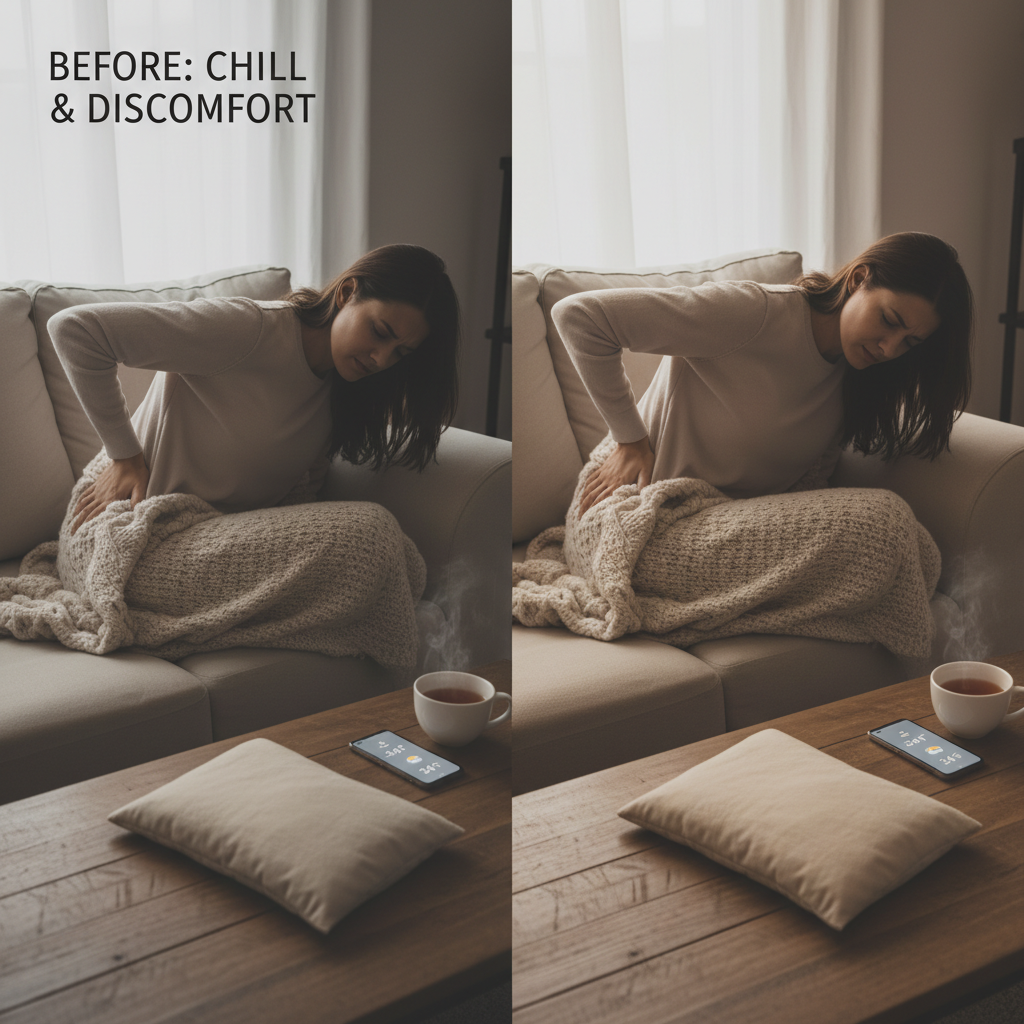
The simplicity of a bean bag heating pad microwavable lies in its ability to deliver targeted heat to alleviate discomfort. Unlike traditional heating methods that may require electricity or water, microwavable bean bag heating pads offer a self-contained, portable solution. This convenience makes them particularly useful for individuals experiencing chronic pain, muscle strains, or temporary soreness.
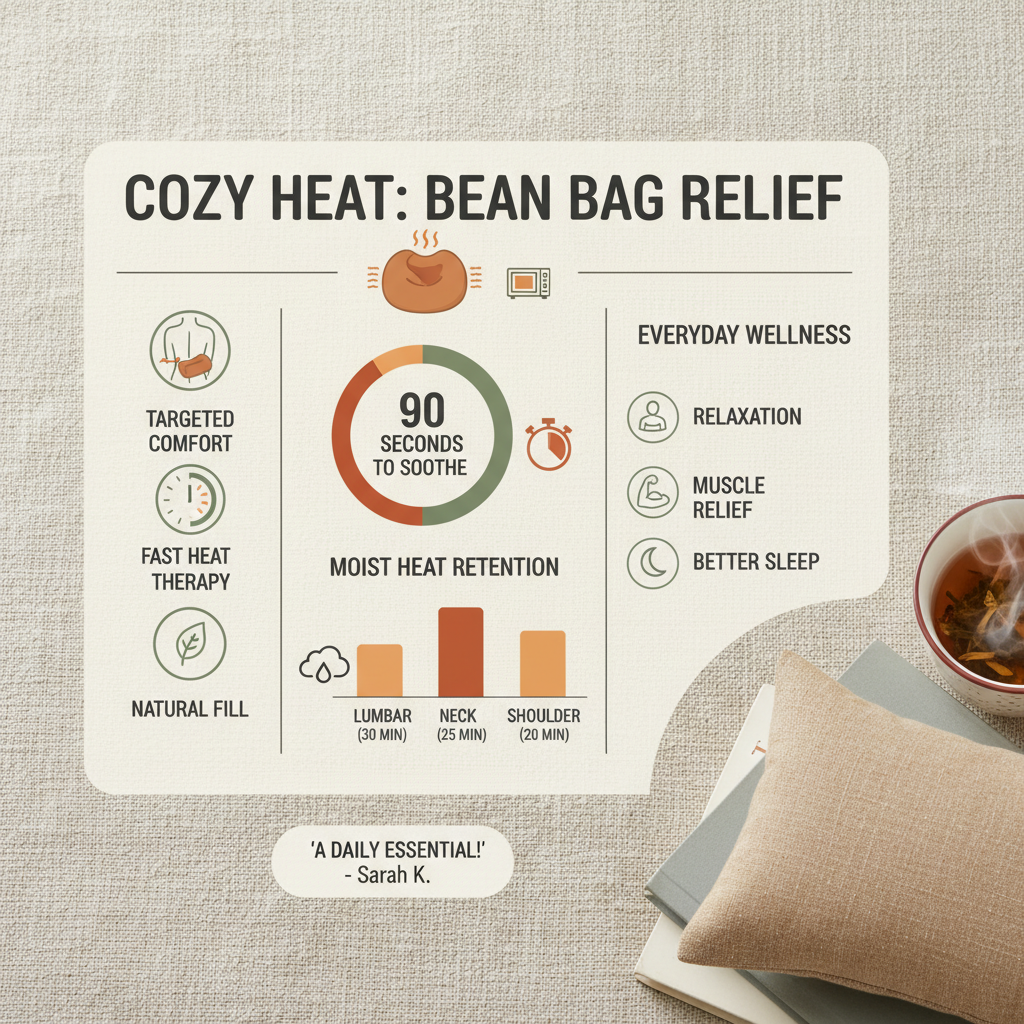
These heating pads typically consist of a fabric pouch filled with natural materials like flaxseed or rice, which retain heat effectively when microwaved. The distributed weight of the filling provides gentle pressure, further enhancing the therapeutic benefits. The rise in demand reflects a broader trend towards natural, accessible pain management options.
Defining the Bean Bag Heating Pad
A bean bag heating pad microwavable is essentially a fabric bag filled with a heat-retaining material – most commonly flaxseed, rice, or a blend of both. These materials are chosen for their ability to absorb and retain heat when exposed to microwave radiation, providing a safe and effective source of localized warmth. The "bean bag" moniker refers to the flexible, adaptable shape of the pad, allowing it to conform to the contours of the body.
The pad’s design prioritizes safe heat distribution, avoiding the intense, concentrated heat of some other heating methods. The filling acts as a buffer, ensuring a consistent and comfortable temperature. This makes them suitable for a wide range of users, including those with sensitive skin.
Its connection to modern industry stems from a growing need for accessible, self-care products. Manufacturing processes have streamlined, making production cost-effective and ensuring a consistent supply to meet rising consumer demand. Beyond personal use, these pads are also finding applications in therapeutic settings, such as physical therapy clinics.
Core Components and Characteristics
Several key factors contribute to the effectiveness and appeal of a bean bag heating pad microwavable. Durability is paramount – the fabric needs to withstand repeated microwaving and handling without degrading. The quality of the filling significantly impacts heat retention and overall performance.
Heat retention is crucial. Flaxseed, for example, generally retains heat longer than rice. The size and shape of the pad also influence its suitability for different body parts. A larger pad might be ideal for lower back pain, while a smaller, contoured pad could be better for neck or shoulder tension.
Another important characteristic is the even distribution of heat. A well-designed pad will avoid hot spots, delivering consistent warmth across the affected area. Finally, safety is a primary concern. The materials used should be non-toxic and the pad should be designed to prevent overheating.
Global Applications and Use Cases
The applications of a bean bag heating pad microwavable are widespread and diverse. In sports medicine, they are frequently used to soothe muscle strains and sprains. Athletes rely on them for post-workout recovery and to manage chronic pain associated with repetitive motions.
In post-disaster relief operations, these pads provide much-needed comfort and warmth to individuals affected by trauma or displacement. Their portability and self-sufficiency make them invaluable in situations where access to electricity or other resources is limited. Organizations involved in disaster relief often include them in emergency kits.
They are also increasingly popular in the wellness industry, used in spas and massage therapy practices to enhance relaxation and muscle recovery. In remote industrial zones, where access to healthcare may be limited, they serve as a convenient and accessible pain management tool for workers.
Bean Bag Heating Pad Microwavable Performance Comparison
Advantages and Long-Term Value
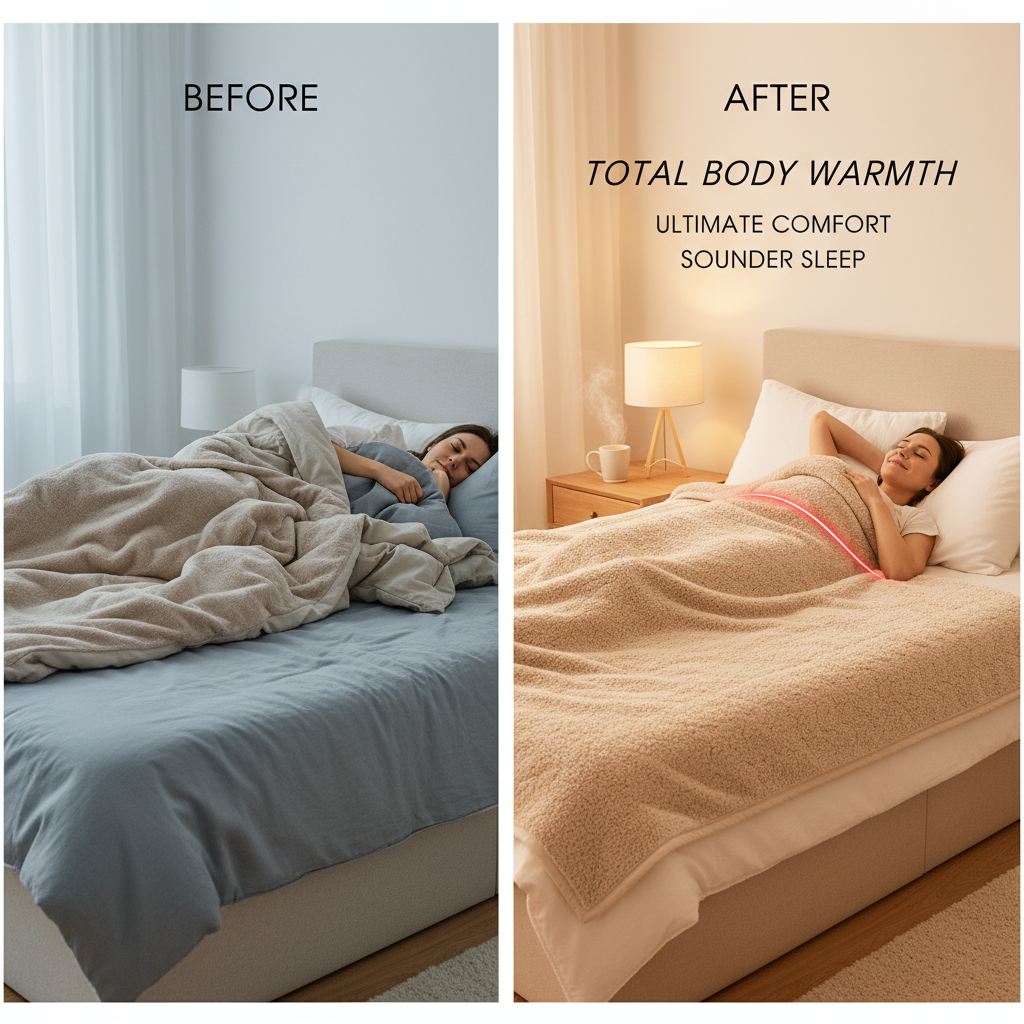
The long-term value of a bean bag heating pad microwavable extends beyond simple pain relief. Its reusability contributes to cost savings compared to single-use heat packs. The natural materials used are often biodegradable, making it a more sustainable choice. Furthermore, the ease of use empowers individuals to take control of their own wellbeing.
From a social impact perspective, these pads provide accessible pain management to individuals who may not have access to expensive medical treatments. They promote self-care and contribute to a sense of independence. The safety aspect, with controlled heat distribution, is paramount, providing peace of mind for users of all ages.
Future Trends and Innovations
Future innovations in bean bag heating pad microwavable technology are likely to focus on enhancing heat retention, improving material sustainability, and incorporating smart features. Research into new filling materials with superior heat capacity is ongoing. The use of recycled and biodegradable fabrics is also gaining traction.
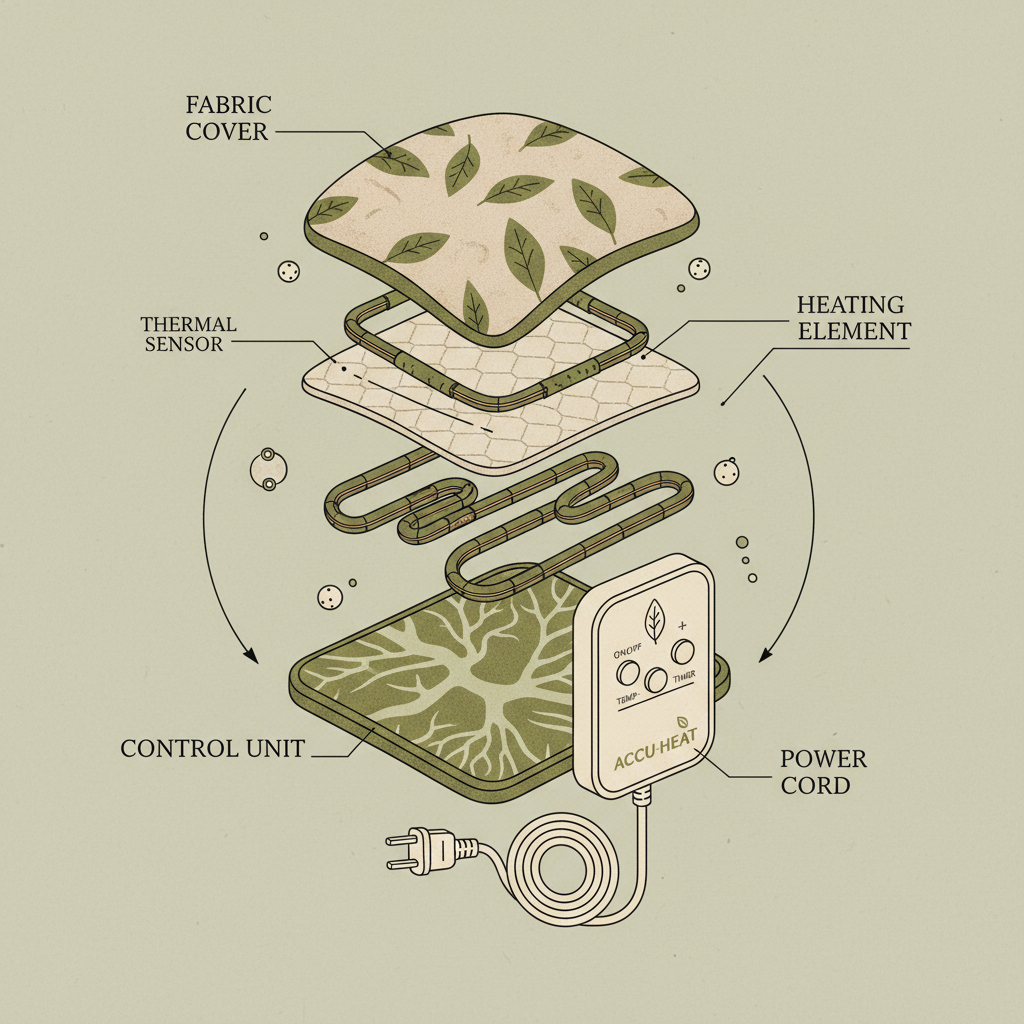
The integration of digital temperature control sensors could provide users with greater precision and safety. Furthermore, combining these pads with aromatherapy elements—incorporating essential oils into the filling—could offer synergistic therapeutic benefits. These advancements align with the broader trends of personalization and holistic wellness.
Challenges and Solutions
One common challenge with bean bag heating pad microwavable is ensuring even heat distribution, particularly in larger pads. This can be addressed through optimized filling patterns and the use of segmented compartments within the pad. Another challenge is preventing overheating, which can be mitigated by adhering to recommended microwaving times and using heat-resistant fabrics.
Durability can also be an issue, especially with frequent use and washing. Reinforced stitching and high-quality fabric choices can significantly extend the lifespan of the pad. Finally, educating consumers about proper usage and safety guidelines is crucial to prevent accidents and maximize the benefits of the product.
Addressing concerns about potential allergens related to the filling materials is also important. Offering options with hypoallergenic fillings can broaden the appeal to a wider range of users.
Summary of Challenges and Solutions Related to Bean Bag Heating Pad Microwavable
| Challenge |
Impact |
Proposed Solution |
Implementation Cost (1-10) |
| Uneven Heat Distribution |
Reduced therapeutic effect |
Optimized filling patterns, segmented compartments |
4 |
| Overheating Risk |
Potential burns, fabric damage |
Strict microwaving time guidelines, heat-resistant fabrics |
3 |
| Durability Concerns |
Reduced product lifespan |
Reinforced stitching, high-quality fabric selection |
6 |
| Allergen Potential |
Limited user base |
Hypoallergenic filling options |
5 |
| Consumer Education |
Misuse, reduced effectiveness |
Clear usage instructions, safety guidelines |
2 |
| Sustainability of Materials |
Environmental Impact |
Use of recycled and biodegradable fabrics and fillings |
7 |
FAQS
Generally, you should microwave a bean bag heating pad microwavable for 30-60 seconds, checking the temperature before each use. Start with 30 seconds and increase in 10-second increments until desired warmth is reached. Overheating can damage the pad and cause burns. Always follow the manufacturer's instructions for specific time recommendations, as filling and fabric type can affect heating times.
While generally safe, bean bag heating pad microwavable aren't suitable for everyone. Individuals with compromised circulation, diabetes, or nerve damage should consult their doctor before use. Also, avoid use on infants or individuals unable to communicate discomfort. Always test the temperature against your skin before applying to prevent burns.
The most common fillings for bean bag heating pad microwavable are flaxseed and rice. Flaxseed is favored for its superior heat retention, while rice is a more affordable option. Some pads also use cherry pits or a blend of different materials. Consider hypoallergenic options if you have sensitivities.
Cleaning instructions vary depending on the fabric. Most pads have a removable cover that can be machine washed. If the filling gets wet, allow it to dry completely before microwaving to prevent mold growth. Refer to the manufacturer's care label for specific cleaning instructions.
Yes, you can add a few drops of essential oil to the filling of a bean bag heating pad microwavable for aromatherapy benefits. Be sure to use skin-safe oils and avoid applying them directly to the skin. Lavender, chamomile, and peppermint are popular choices for relaxation and pain relief.
Unlike electric heating pads or hot water bottles, a bean bag heating pad microwavable doesn't require electricity or water, making it highly portable and convenient. It also provides a more gentle, consistent heat compared to some other methods, reducing the risk of burns. Its natural materials and reusable nature also make it an eco-friendly option.
Conclusion
In conclusion, the bean bag heating pad microwavable represents a simple yet effective solution for localized heat therapy. Its portability, convenience, and cost-effectiveness make it a popular choice for individuals seeking relief from muscle aches, pain, and stiffness. The increasing demand highlights the value placed on accessible, natural, and self-managed pain relief options.
Looking ahead, continued innovation in materials and design will likely further enhance the benefits of these pads. The integration of smart features and a growing focus on sustainability promise a future where bean bag heating pad microwavable play an even more significant role in promoting wellbeing and providing comfort to individuals worldwide. Visit our website at www.bdtheatingpads.com to explore our range of products.