
- bdttonyjiao@hotmail.com
- +86 +8615081115902
- 9-1-701 TonfuTown Shijiahzuang City Hebei Province China
Oct . 11, 2025 12:10 Back to list
Sodium citrate tube used for precise coagulation testing
Sodium Citrate 1:4 Tube — What Labs Actually Do With It
People often ask what a sodium citrate tube used for is in real-world settings. Short answer: ESR and certain coag pre-analytical tasks. Long answer: it’s a small, deceptively important tube that protects accuracy when you’re chasing inflammation markers or running high-volume screening. I’ve watched procurement teams debate PET vs. glass more passionately than coffee beans—because bad tubes mean bad data.
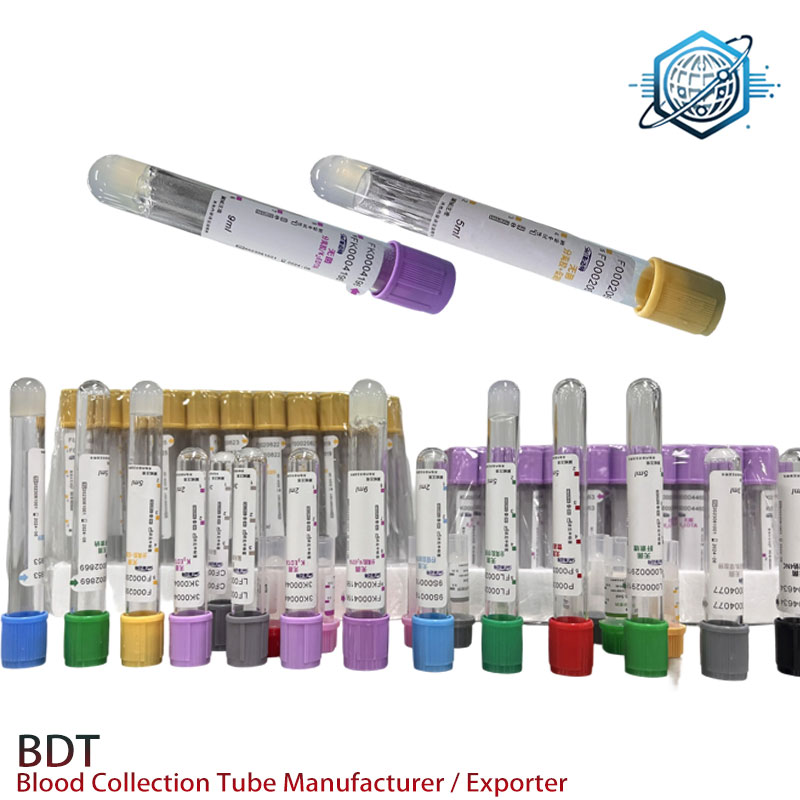
Why the 1:4 Ratio Matters
The Sodium Citrate 1:4 Tube is tuned for Westergren ESR testing—four parts whole blood to one part 3.2% sodium citrate. If you’ve used the more common 1:9 ratio, that’s typically for PT/APTT coagulation assays. Different ratio, different mission. In practice, this 1:4 profile helps stabilize red cells and anticoagulate just enough to keep the sedimentation kinetics honest.
Product Snapshot: Sodium Citrate 1:4 Tube
| Model | Sodium Citrate 1:4 Tube |
| Additive | 3.2% sodium citrate (≈0.109 mol/L) for ESR |
| Materials | PET tube body, butyl rubber stopper, medical-grade cap; siliconized interior |
| Common Volumes | 1.6–2.0 mL, 3.0–4.0 mL (real-world use may vary) |
| Shelf Life | ≈24 months, stored 4–25°C, dry & dark |
| Sterility | SAL 10-6 by gamma/EO; endotoxin ≤0.5 EU/mL (typ.) |
| Standards | ISO 6710, ISO 13485 QMS, ICSH ESR guidance, CLSI GP41 |
| Origin | 9-1-701 TonfuTown, Shijiahzuang City, Hebei Province, China |
Industry trend? ESR has had a quiet revival—thanks to cost-effective screening in primary care and rheumatology. Many customers say the switch to high-clarity PET and tighter vacuum tolerances cut redraw rates. I’ve seen labs report surprisingly smoother QC when tubes hold the dilution precisely.
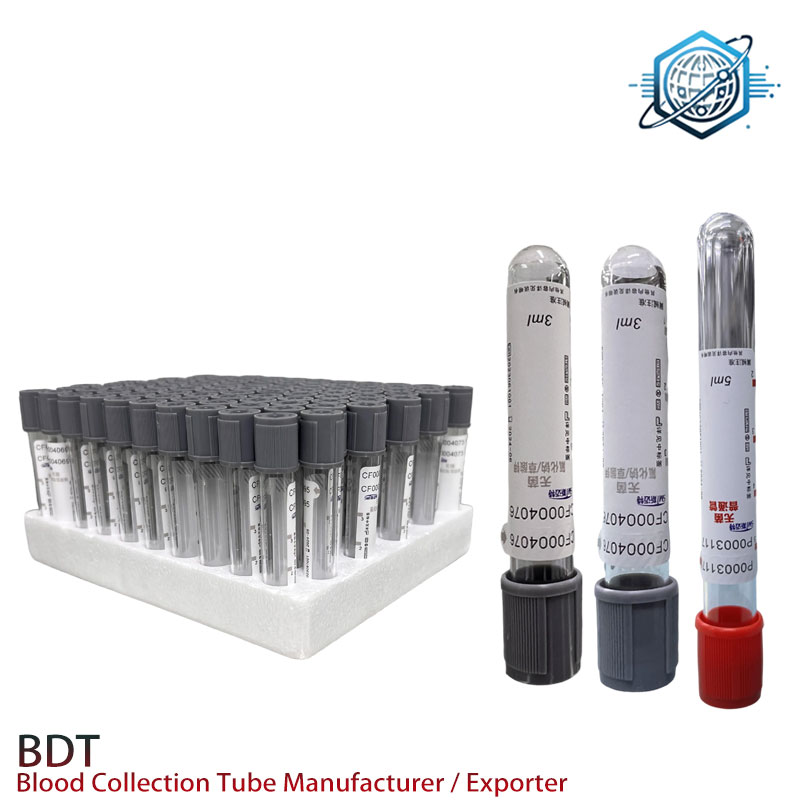
Where It’s Used
- ESR via Westergren method (hematology analyzers or manual racks)
- Pre-analytical stabilization for certain screening workflows
- Rheumatology, internal medicine, infectious disease monitoring
Process Flow (Factory-Direct)
Tube molding → interior siliconization → precise citrate dosing → vacuum calibration → cap/stopper fit → batch sterilization → QC (fill volume, dilution accuracy, stopper integrity, vacuum loss ≤10% across shelf life) → packaging with lot traceability.
Test Data (typical)
Citrate concentration variation ±5%; ESR linearity 0–140 mm/h; hemolysis rate reduced vs. legacy glass; leakage/penetration resistance per ISO 6710; cap torque stability checked lot-by-lot.
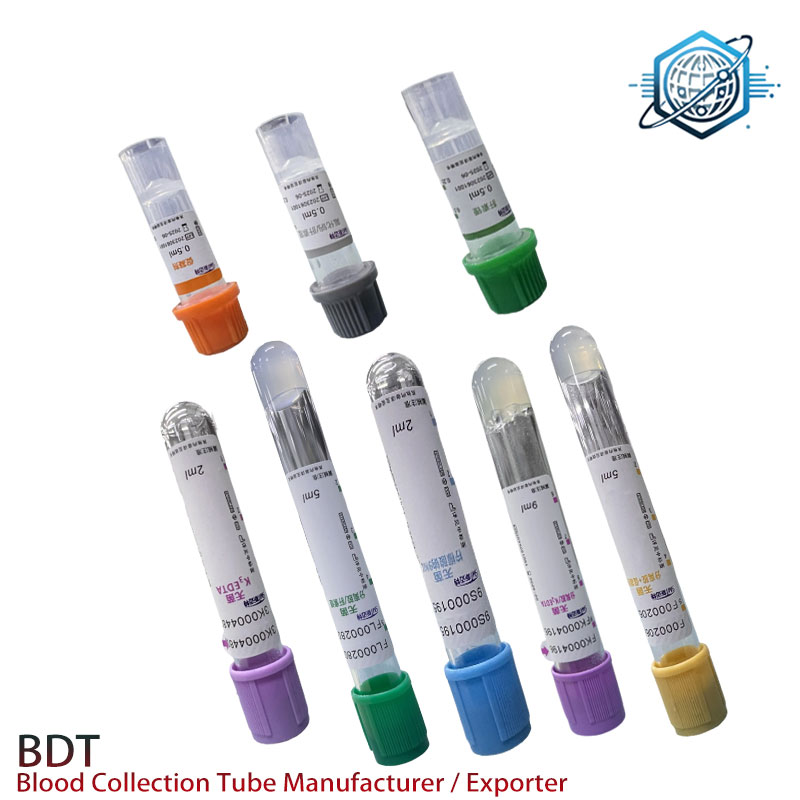
Advantages and Customization
- Consistent dilution for ESR; minimizes false-high readings.
- Customization: volumes, labels (barcode/UDI), cap colors, OEM branding.
- Certs: ISO 13485; CE-mark options; documentation pack for tenders.
Vendor Comparison (indicative)
| Vendor | Spec Control | Lead Time | Docs |
|---|---|---|---|
| BDT (Factory-Direct, Hebei) | Tight vacuum/dose QC | ≈3–5 weeks | ISO 13485, CoA, lot data |
| Generic Import | Varies by lot | ≈6–8 weeks | Basic |
| Premium EU Brand | Excellent, highest consistency | ≈2–4 weeks | Full regulatory pack |
Mini Case Study
A regional hospital in Southeast Asia switched to 1:4 PET tubes from mixed glass stock. Within a month, ESR redraws dropped by around 18%, and turnaround time improved by 12 minutes per sample batch. Staff feedback? “Cleaner puncture, fewer microclots.” To be honest, that’s exactly what a sodium citrate tube used for should deliver.
Getting Started
If you’re scaling primary care or rheumatology screening, align your analyzers and QC with ICSH/CLSI guidance, lock in the dilution profile, and validate locally. Then appoint a champion to enforce draw order—yes, order still matters. And if you need private label or regional stock, the factory-direct model makes a sodium citrate tube used for supply chain less stressful.
Citations
- CLSI GP41—Collection of Diagnostic Venous Blood Specimens, 7th ed.
- ISO 6710:2017—Single-use container111s for venous blood specimen collection.
- ICSH 2017 Recommendations for Measurement of Erythrocyte Sedimentation Rate (Westergren).
- WHO Guidelines on Drawing Blood: Best Practices in Phlebotomy, 2010.
-
Ultimate Guide to Choosing a Rechargeable Heated Blanket for Winter
NewsApr.16,2026 -
Ultimate Guide to Choosing a Portable Battery Operated Blanket
NewsApr.09,2026 -
Discover the Comfort of a Full Size Electric Blanket for Cozy Warmth
NewsApr.07,2026 -
Experience Ultimate Comfort with a Portable Heated Blanket for All Your Adventures
NewsApr.04,2026 -
The Comprehensive Guide to Battery Powered Heated Blankets for Ultimate Warmth
NewsMar.31,2026 -
Discover the Comfort of a USB Heated Blanket for Warmth and Wellness
NewsMar.28,2026
Our Products
Contact Us
- Mob: +86 +8615081115902
- Email: bdttonyjiao@hotmail.com
- Whatspp:+86 15081115902
- Add:9-1-701 TonfuTown Shijiahzuang City Hebei Province China


