Finding a balance between affordability and quality is the primary challenge for consumers searching for a cheap electric blanket double. While the market is flooded with budget-friendly options, the critical distinction lies in the safety mechanisms and the consistency of heat distribution across a larger surface area.
In the context of home medical device manufacturing, heating blankets have evolved from simple comfort items into essential tools for thermotherapy. Modern advancements allow for precise temperature control, which is vital for users managing chronic muscle pain or circulation issues, where overheating can be as detrimental as insufficient warmth.
This guide examines the technical trade-offs involved in budget-friendly heating solutions, how to evaluate safety certifications, and the practical differences between various full-body heating configurations to help you make an informed investment.


The fundamental principle of a double electric blanket is the conversion of electrical energy into thermal energy through resistive heating wires embedded in fabric. For larger double-sized units, the primary engineering challenge is ensuring that the voltage drop across the long wiring paths does not result in "cold spots," particularly at the edges of the blanket.
Budget models often simplify the wiring grid to reduce manufacturing costs. However, the effectiveness of a cheap electric blanket double depends on the gauge of the wire and the quality of the insulation, which prevent hotspots from forming and reduce the risk of fabric degradation over time.
When analyzing budget heating products, the focus must be on the material composition of the heating filaments. Most entry-level blankets use a blend of copper and conductive polymers. While these are cost-effective, the durability depends on the flexibility of the wire; if the wire is too brittle, repeated folding and unfolding of the double blanket can lead to internal fractures.
The control unit is the second critical component. Low-cost controllers may lack sophisticated thermostats, relying instead on simple timers. Professional-grade budget options, such as those developed by Shijiazhuang BDT Trading Co., Ltd., prioritize biocompatible materials and stable circuitry to ensure the heating process remains consistent without fluctuating temperatures.
Furthermore, the integration of automatic shut-off features is a non-negotiable technical requirement. In double-sized blankets, the larger surface area increases the potential for undetected overheating in specific zones, making precision sensors essential for preventing thermal runaway.
Expanding a heating pad to a double-blanket scale introduces complexities in thermal equilibrium. The goal is to achieve a homogenous temperature across the entire fabric, avoiding the common issue where the center is excessively hot while the extremities remain cool.
Uniform heat distribution is not merely a comfort feature but a safety necessity; concentrated heat zones (hotspots) can cause skin irritation or burns, particularly for users with reduced sensitivity, such as those with diabetic neuropathy.
To combat this, manufacturers utilize zoned heating or denser wiring arrays in the peripheral areas. By optimizing the resistance of the wiring, the energy is distributed more evenly, ensuring that the expansive area of a double blanket provides a consistent therapeutic experience.
Evaluating the effectiveness of a heating blanket requires looking beyond the price tag. Key metrics include the "Time to Temperature" (how quickly the blanket reaches the set heat) and "Thermal Stability" (the ability to maintain that temperature without oscillation). For medical-grade home use, stability is prioritized over raw power.
When comparing different configurations, such as bed-specific pads versus wearable blankets, the energy efficiency ratio becomes a primary concern. A well-engineered double blanket maximizes heat retention through fabric choice, reducing the electrical load required to maintain warmth.
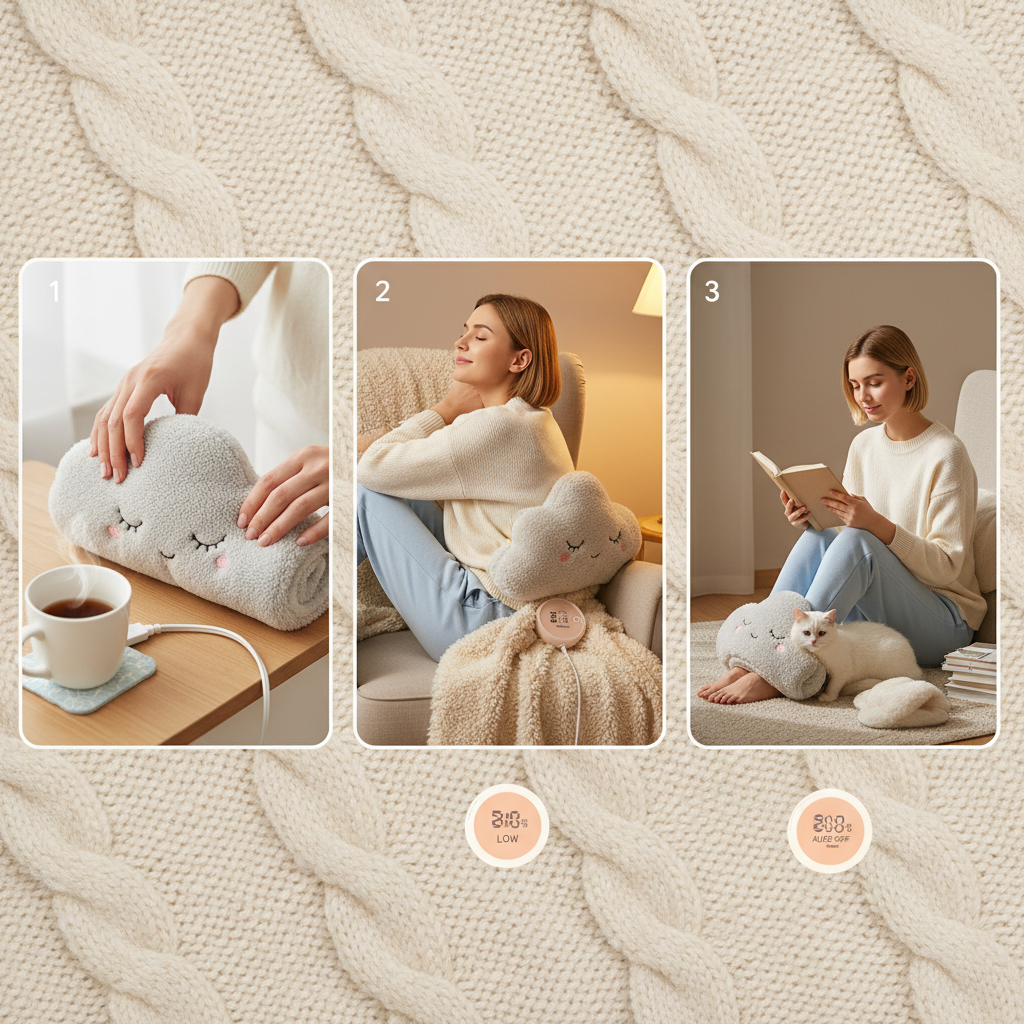
The utility of a cheap electric blanket double varies significantly based on the user's environment. For those in office settings, compact heating pads for chairs are more effective for targeted back and shoulder relief. Conversely, for nocturnal use, a full-body bed pad is superior as it can be placed under sheets to provide ambient warmth that facilitates better sleep cycles.
In therapeutic contexts, such as managing arthritis or fibromyalgia, the requirement shifts toward deep-tissue penetration. Heat therapy increases blood flow and reduces muscle stiffness. Therefore, users seeking pain relief should prioritize blankets with programmable settings that allow for gradual temperature increases, rather than a simple "on/off" mechanism.
The history of electric blankets was once marred by safety concerns regarding overheating. Today, the industry has moved toward "fail-safe" designs. This involves the integration of multiple thermal fuses that trigger a permanent shut-off if the temperature exceeds a critical threshold, regardless of the controller setting.
Modern budget manufacturing focuses on the synergy between the fabric and the heating element. Using flame-retardant materials and high-biocompatibility plastics—similar to those used in blood collection tubes for medical integrity—ensures that the device is safe for prolonged skin contact.
The current trend is the shift toward low-voltage DC systems, which significantly reduce the risk of electrical shock compared to older AC-powered models. This evolution makes budget-friendly options safer and more accessible for the general population without compromising on the core therapeutic benefits of heat.
Choosing the right blanket involves a trade-off between cost and specific functionality. A user who only needs warmth for a few hours a week will find a basic budget model sufficient, whereas someone using it for daily pain management requires more advanced features like programmable timers and adjustable zones.
It is essential to evaluate the "total cost of ownership," which includes the energy consumption of the device. More efficient heating elements may cost slightly more upfront but result in lower monthly utility bills, making them "cheaper" in the long run.
The following framework provides a qualitative comparison of different heating solutions based on typical user needs and operational constraints.
| User Priority | Recommended Type | Key Technical Factor | Relative Suitability |
|---|---|---|---|
| Budget / Occasional | Standard Electric Blanket | Basic Timer | Moderate |
| Chronic Pain Relief | Zoned Medical Blanket | Precise Thermostat | High |
| Nighttime Comfort | Full-Body Bed Pad | Under-sheet Design | High |
| Office / Desk Use | Chair Heating Pad | Portability / USB | Moderate |
| Mobility / Travel | Heated Shawl / Wrap | Low Voltage DC | Moderate |
| Pet Care | Pet Heating Pad | Low-Temp Limit | Specialized |
Safety is primarily determined by the presence of redundant overheat protection, such as thermal fuses and automatic shut-off timers. Additionally, the quality of the wire insulation and the use of flame-retardant fabrics are critical. Ensure the product meets recognized electrical safety standards for your region to avoid risks of short-circuiting or burns.
To avoid cold spots, look for blankets with a denser heating wire grid or "zoned heating" capabilities. Zoned blankets allow you to control the heat of different areas independently, ensuring that the edges and center remain warm. High-quality manufacturing ensures consistent resistance across the wiring to maintain a uniform temperature.
Yes, heat therapy is widely used to alleviate muscle stiffness and joint pain associated with arthritis or fibromyalgia. By increasing blood flow to the affected areas, heating blankets help relax muscles and promote healing. However, those with reduced skin sensitivity should use a low-temperature setting to prevent accidental burns.
Heating pads are typically smaller, more concentrated, and designed for targeted therapy on a specific body part (e.g., the lower back). Heating blankets, especially double-sized ones, are designed for large-area coverage and general warmth. Pads usually reach higher temperatures more quickly, while blankets focus on sustained, ambient warmth.
Energy efficiency depends on the heating element and the insulating fabric. Modern low-voltage blankets are generally more efficient than older models. To save energy, use a blanket with an automatic timer or a programmable thermostat that reduces heat once the desired body temperature is reached, rather than running it at maximum power continuously.
Avoid folding the blanket tightly, as this can stress and eventually break the internal heating wires. When storing, fold it loosely or roll it. If the blanket is machine-washable, follow the manufacturer's instructions strictly—usually involving removing the controller first and using a gentle cycle to prevent damage to the conductive elements.
Investing in a cheap electric blanket double does not mean compromising on safety or efficacy. By focusing on technical specifications such as thermal uniformity, fail-safe mechanisms, and material biocompatibility, consumers can find a solution that provides both comfort and therapeutic value.
As the home medical device industry continues to integrate smarter controls and safer materials, the gap between budget and premium options is narrowing. The key is to align the product's technical capabilities with your specific health and lifestyle needs, ensuring a warm and safe environment.

Our Products
Contact Us