0%

Table of Contents

The global need for effective and accessible pain management solutions is constantly growing, driven by aging populations, increasing chronic illness rates, and the demand for non-pharmacological therapies. A bean bag heating pad offers a simple, safe, and cost-effective way to address these needs, providing localized heat therapy for muscle soreness, joint pain, and general discomfort. Understanding the principles behind its design and application is crucial for maximizing its benefits and ensuring its widespread adoption.

The versatility of a bean bag heating pad extends beyond personal use, reaching into areas like sports medicine, rehabilitation centers, and even emergency response situations. Its portability, ease of use, and lack of reliance on electricity make it an ideal solution in diverse settings, particularly where access to traditional medical resources is limited. The growing focus on holistic wellness and self-care further drives the demand for accessible therapeutic tools like these.

From alleviating everyday aches to providing comfort in challenging circumstances, the bean bag heating pad represents a pragmatic and readily available solution for promoting physical wellbeing. As research continues to validate the benefits of heat therapy, and as manufacturing processes become more sustainable and efficient, this simple device is poised to become an even more integral part of modern healthcare and self-care routines.

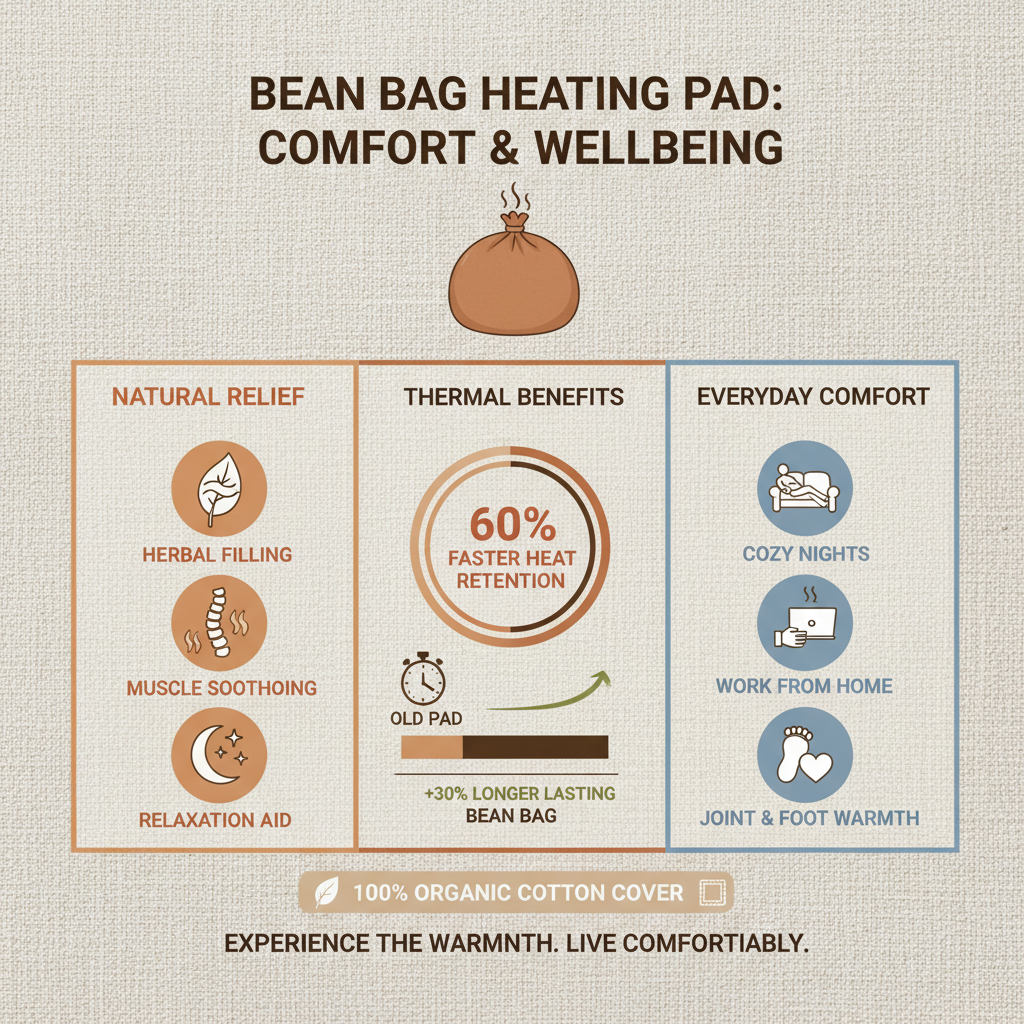
The Versatile Bean Bag Heating Pad for Effective Pain Management and Wellbeing

The Core Principles of bean bag heating pad

The Versatile Bean Bag Heating Pad for Effective Pain Management and Wellbeing

At its heart, a bean bag heating pad functions by delivering consistent, localized heat. This heat penetrates tissues, increasing blood flow and relieving muscle tension. The effectiveness stems from the combination of the heating element – whether electric, microwaveable, or utilizing chemical reactions – and the conformable nature of the bean bag filling, allowing it to mold to the body’s contours for optimal heat application.

The choice of filling material significantly impacts performance. Traditional fillings include rice, flaxseed, or plastic pellets, each with unique heat retention and distribution characteristics. Modern innovations are exploring materials like buckwheat hulls and even specialized gels to further enhance these properties. This ensures the bean bag heating pad maintains a therapeutic temperature for a sustained period.

Global Relevance and Market Overview

The global market for heat therapy products, including bean bag heating pads, is experiencing steady growth, fueled by increasing awareness of non-invasive pain management solutions. Reports indicate a significant rise in demand from both consumers and healthcare professionals. Factors driving this expansion include an aging population prone to musculoskeletal disorders and a growing preference for self-care practices.

According to recent studies, chronic pain affects an estimated 20% of adults worldwide, representing a substantial market opportunity. The versatility and affordability of a bean bag heating pad positions it as a readily accessible solution for a broad demographic. Furthermore, rising healthcare costs encourage individuals to seek cost-effective, at-home treatments.

Geographically, North America and Europe currently represent the largest markets, but emerging economies in Asia-Pacific are exhibiting rapid growth due to increasing disposable incomes and improved access to healthcare. This expansion is driving innovation in product design and manufacturing, with a focus on sustainable materials and enhanced user experience.

Defining bean bag heating pad

A bean bag heating pad is a textile pouch filled with a granular substance – typically rice, flaxseed, cherry pits, or plastic pellets – designed to be heated and applied to the body to provide localized heat therapy. It’s a portable and reusable device offering a simple, drug-free alternative for pain relief, muscle relaxation, and soothing comfort.

Its connection to modern industry and humanitarian needs lies in its ease of production and distribution. Unlike sophisticated medical devices, bean bag heating pads can be manufactured locally with minimal infrastructure, making them valuable in disaster relief efforts, remote communities, and resource-constrained settings where access to healthcare is limited.

The principle of heat therapy has been utilized for centuries, but the bean bag heating pad represents a practical and accessible adaptation of this ancient remedy. It embodies a sustainable and empowering approach to self-care, enabling individuals to manage their discomfort and improve their quality of life without relying solely on pharmaceutical interventions.

Key Factors Influencing Effectiveness

Durability is paramount; a well-constructed bean bag heating pad should withstand repeated heating and cooling cycles without tearing or losing its shape. The quality of the stitching, the fabric used, and the type of filling all contribute to its longevity.

Heat Retention capability is equally crucial. Different filling materials retain heat for varying durations. Flaxseed and cherry pits, for instance, generally hold heat longer than rice. This characteristic influences how frequently the pad needs to be reheated during use.

Comparative Analysis of bean bag heating pad Filling Materials


Applications Across Diverse Sectors

In sports medicine, bean bag heating pads are frequently used to warm up muscles before activity and soothe soreness after exercise. Athletes benefit from the increased blood flow and reduced muscle stiffness that heat therapy provides.

Rehabilitation centers utilize these pads to assist patients recovering from injuries, easing muscle spasms and promoting healing. Their ease of use and portability make them valuable tools for both in-clinic and at-home therapy. In post-disaster relief operations, they offer comforting warmth and pain relief to those affected by trauma and injury, particularly when other resources are scarce.

Advantages and Long-Term Value Proposition

The cost-effectiveness of a bean bag heating pad is a significant advantage. Compared to electric heating pads or physical therapy sessions, it represents a one-time investment with long-lasting benefits. Its reusable nature further enhances its economic value.

From a sustainability perspective, choosing fillings like flaxseed or cherry pits supports eco-friendly practices. Moreover, the reliance on simple heating methods – microwave or oven – minimizes energy consumption. The psychological benefit of self-soothing and control over one’s comfort should not be underestimated.

Future Trends and Innovation Pathways

Ongoing research is exploring the integration of aromatherapy into bean bag heating pads by infusing fillings with essential oils known for their therapeutic properties. This combines the benefits of heat therapy with the calming effects of aromatherapy.

Advancements in fabric technology are leading to the development of pads with enhanced heat retention and moisture-wicking properties, improving user comfort and extending the duration of therapy. The exploration of smart materials that automatically adjust temperature based on body heat could revolutionize the functionality of these pads.

Sustainable sourcing of filling materials and eco-friendly manufacturing processes are gaining prominence, reflecting a growing consumer demand for environmentally responsible products. This includes biodegradable filling options and reduced packaging waste.

FAQS

How do I properly clean a bean bag heating pad?

Cleaning depends on the fabric. Generally, spot clean with a damp cloth and mild detergent. Avoid submerging the entire pad in water, as this can damage the filling. For microwaveable pads, ensure the filling is completely dry before reheating to prevent scorching. Always refer to the manufacturer’s instructions for specific cleaning guidelines.

What type of filling is best for heat retention?

Flaxseed and cherry pit fillings generally retain heat the longest compared to rice or plastic pellets. Flaxseed holds heat for approximately 30-45 minutes, while cherry pits can retain heat for up to an hour. The choice depends on your desired duration of heat therapy and personal preference.

Is it safe to use a bean bag heating pad on sensitive skin?

While generally safe, it’s advisable to use a thin cloth barrier between the bean bag heating pad and sensitive skin to prevent burns. Always ensure the pad isn't excessively hot before applying it. Individuals with impaired sensation or circulation should exercise extra caution or consult a healthcare professional.

How long can I safely heat a bean bag heating pad in the microwave?

Heating times vary depending on your microwave's wattage and the filling material. A general guideline is to start with 30-second intervals, checking the temperature after each interval. Avoid overheating, as this can scorch the filling or damage the pad. Never exceed the manufacturer's recommended heating time.

Can I use essential oils with my bean bag heating pad?

Adding a few drops of essential oil to the filling (before heating) can enhance the therapeutic benefits. Lavender, chamomile, and peppermint are popular choices for relaxation and pain relief. Ensure the oil is well-distributed and doesn't come into direct contact with the skin.

Are bean bag heating pads suitable for children?

When used under adult supervision, bean bag heating pads can offer gentle warmth and comfort for children. Ensure the pad is not too hot and is used for short periods. Never allow a child to heat or apply the pad themselves. Always choose a pad with a child-safe fabric and filling.

Conclusion

In conclusion, the bean bag heating pad represents a remarkable confluence of simplicity, efficacy, and accessibility in pain management and overall wellbeing. From its core principles of localized heat therapy to its diverse applications across healthcare, sports, and daily life, it provides a compelling alternative to more complex and costly solutions. Its enduring appeal lies in its ability to empower individuals to take control of their comfort and health.

Looking ahead, continued innovation in materials, design, and integration with emerging technologies promises to further enhance the functionality and sustainability of bean bag heating pads. By embracing eco-friendly practices and prioritizing user-centric design, we can unlock the full potential of this versatile therapeutic tool, making it an even more valuable asset for individuals and communities worldwide.

Robert Chen

Robert Chen

Robert Chen is a Senior Product Development Engineer at Shijiazhuang BDT Trading Co., Ltd. Based in the Shijiazhuang facility, Robert focuses on the innovation and refinement of the company’s electric heating pad line. He’s a key contributor to the development of the USB-heated shawl blankets and pet heating pads, ensuring
Previous Microwavable Bean Bag Heating Pad For Effective Pain Relief And Wellness
Next Comprehensive Guide to Battery Powered Heating Pads for Camping and Outdoor Use