
- bdttonyjiao@hotmail.com
- +86 +8615081115902
- 9-1-701 TonfuTown Shijiahzuang City Hebei Province China
Sep . 14, 2025 10:20 Back to list
Sodium Citrate Tube Used For: Coagulation & Blood Collection
Introduction to Sodium Citrate Tubes in Clinical Diagnostics
In the intricate world of clinical diagnostics, the integrity of blood samples is paramount for accurate test results. Among the myriad of blood collection tubes, the sodium citrate tube used for coagulation studies stands as a critical component. These tubes are specifically engineered to preserve the delicate balance of blood components, ensuring that parameters such as Prothrombin Time (PT), Activated Partial Thromboplastin Time (APTT), and fibrinogen levels can be reliably assessed. The precise ratio of sodium citrate to whole blood is fundamental, typically 1 part anticoagulant to 9 parts blood (1:9 ratio) for most coagulation assays, although specific applications, such as the Sodium Citrate 1:4 Tube, cater to unique diagnostic requirements.
The primary function of sodium citrate is to act as an anticoagulant by chelating calcium ions, which are essential cofactors in the coagulation cascade. This reversible anticoagulation mechanism ensures that blood does not clot during collection and transport, yet can be recalcified in the laboratory to initiate coagulation for testing. This section delves into the technical specifics, applications, and strategic importance of these essential medical devices.
Industry Trends and Market Dynamics
The global market for blood collection tubes, including those designed for sodium citrate whole blood, is experiencing steady growth, driven by an aging population, increasing prevalence of chronic diseases, and advancements in diagnostic technologies. Key trends include the demand for safer blood collection systems (e.g., plastic tubes over glass), enhanced standardization for improved inter-laboratory comparability, and the integration of smart technologies for sample tracking.
- Automation and Throughput: Modern laboratories require blood collection tubes compatible with high-throughput automated analyzers, necessitating robust tube designs and consistent vacuum draw.
- Patient Safety: The shift from glass to medical-grade PET plastic tubes minimizes the risk of breakage and exposure to biohazards, aligning with stricter safety protocols in healthcare settings.
- Standardization and Quality Control: Adherence to international standards such as ISO 6710 (Single-use container111s for human venous blood specimen collection) and CLSI guidelines is becoming more stringent, ensuring reliability and accuracy across diagnostic platforms.
- Sustainability: Increasing focus on eco-friendly materials and manufacturing processes, reducing the environmental footprint of medical consumables.
The continuous evolution of coagulation assays, including specialized tests for novel anticoagulants, further underscores the importance of high-quality sodium citrate for blood collection. Manufacturers are investing in research and development to optimize anticoagulant concentrations and tube additives to meet these emerging clinical demands.
Manufacturing Process Flow: Producing a Reliable Sodium Citrate Tube
The production of a high-quality citrate test tube involves a sophisticated, multi-stage manufacturing process, meticulously designed to ensure precision, sterility, and consistent performance. Our Sodium Citrate 1:4 Tube exemplifies stringent quality controls at every step.
Key Process Steps:
-
Material Sourcing & Preparation:
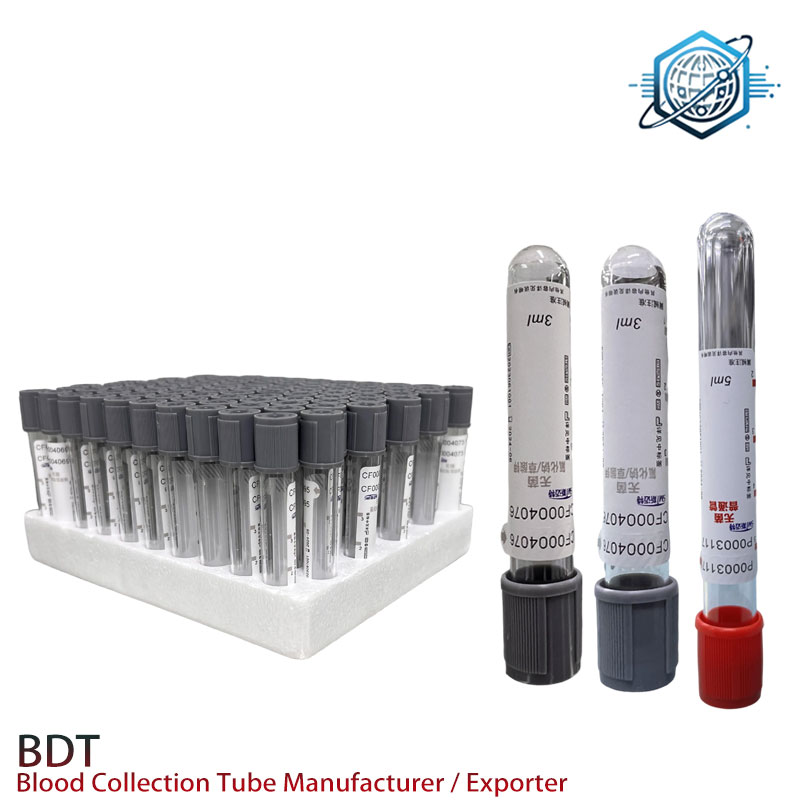
- Tube Material: Medical-grade Polyethylene Terephthalate (PET) is the preferred material for its strength, clarity, barrier properties against gas exchange, and shatter resistance. Glass tubes are also used but less common due to safety concerns.
- Anticoagulant: High-purity trisodium citrate dihydrate, prepared as a precisely calibrated aqueous solution (typically 3.2% or 3.8% w/v).
- Stoppers: Medical-grade butyl rubber, chosen for its inertness, resealing capability, and compatibility with automated piercing systems.
-
Tube Molding/Forming:
- PET tubes are typically manufactured using injection molding or extrusion-blow molding techniques. This ensures uniform wall thickness and precise dimensions, critical for maintaining vacuum stability.
-
Citrate Dispensing & Drying:
- A measured volume of the sodium citrate solution is precisely dispensed into each tube. Advanced robotic systems ensure consistent volumetric accuracy.
- The tubes then undergo a controlled drying process, often in a cleanroom environment, to evaporate the water, leaving a thin, uniform layer of powdered or liquid citrate on the inner wall. This prevents dilution effects on the blood sample.
-
Vacuum Creation:
- A precise vacuum is drawn within each tube, which dictates the exact volume of blood collected. This step is critical for maintaining the correct blood-to-anticoagulant ratio, directly impacting the accuracy of coagulation tests.
-
Capping & Sealing:
- The prepared tubes are immediately capped with butyl rubber stoppers, maintaining the vacuum. The caps are designed for secure sealing and easy puncture by phlebotomy needles.
-
Sterilization:
- Finished tubes undergo terminal sterilization, typically via gamma irradiation or ethylene oxide (ETO) gas. This ensures sterility for patient safety without compromising tube integrity or anticoagulant efficacy.
-
Quality Control & Packaging:
- Each batch undergoes rigorous quality testing, including vacuum retention, sterility checks, anticoagulant concentration verification, and physical dimension accuracy.
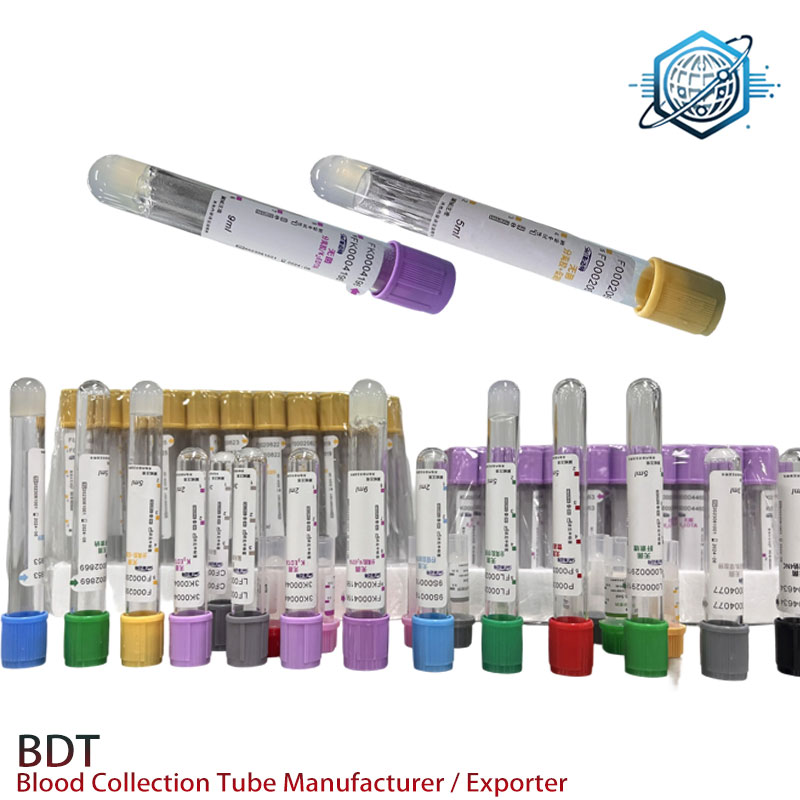
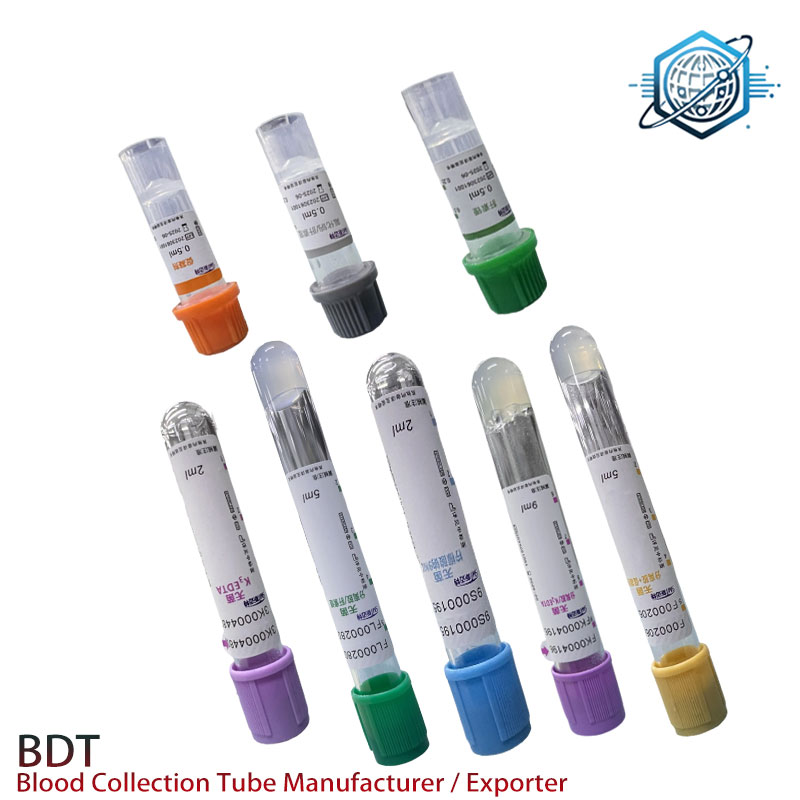
- Tubes are then labeled according to ISO standards (e.g., color code blue for citrate) and packaged for distribution.
Testing Standards & Target Industries:
Our manufacturing processes adhere to international standards such as ISO 13485 (Medical devices – Quality management systems), ISO 6710, and CLSI (Clinical and Laboratory Standards Institute) H21-A5 guidelines for collection, transport, and processing of blood specimens for testing plasma-based coagulation assays.
Target industries include hospitals, diagnostic laboratories, blood banks, research institutions, and pharmaceutical companies conducting clinical trials. The advantages demonstrated in typical application scenarios include:
- Reliable Diagnosis: Consistent blood-to-anticoagulant ratio ensures accurate coagulation results, crucial for patient management.
- Reduced Pre-analytical Errors: Precision manufacturing minimizes variables that can lead to erroneous results.
- Enhanced Safety: Shatter-resistant plastic and secure seals protect healthcare workers from bloodborne pathogens.
- Extended Service Life: High-quality materials and manufacturing ensure tube integrity and vacuum stability for the duration of their shelf life.
Technical Specifications and Performance Parameters
Understanding the detailed specifications of a sodium citrate tube used for specific diagnostic needs is crucial for laboratory professionals. The Sodium Citrate 1:4 Tube, for instance, represents a specialized application where a higher concentration of anticoagulant is required, often for specific hematological investigations or research protocols that demand a different dilution factor.
Sodium Citrate 1:4 Tube Product Specifications:
| Parameter | Specification | Details/Impact |
|---|---|---|
| Product Name | Sodium Citrate 1:4 Tube | Designed for specific coagulation or hematology studies requiring a higher citrate concentration relative to blood volume. |
| Anticoagulant Type | Trisodium Citrate Dihydrate | Effectively chelates calcium ions to prevent coagulation. |
| Anticoagulant Concentration | 3.2% or 3.8% (w/v) | Standard concentrations ensuring optimal performance; 3.2% is often preferred for international consistency. |
| Blood-to-Anticoagulant Ratio | 1:4 (Citrate:Blood) | Specialized ratio, diverging from standard 1:9, for specific research or clinical assays. |
| Tube Material | Medical-grade PET (Polyethylene Terephthalate) | Shatter-resistant, excellent barrier properties, ensures vacuum stability. |
| Cap Color Code | Light Blue (ISO 6710 standard) | Universal color code for tubes containing citrate anticoagulants. |
| Draw Volume Tolerance | ±10% of stated volume | Ensures critical blood-to-anticoagulant ratio is maintained even with minor fill variations. |
| Sterility | Sterile (Gamma Irradiated) | Aseptically manufactured and terminally sterilized for patient and sample integrity. |
| Shelf Life | 18-24 months from manufacturing date | Ensures long-term stability of vacuum and anticoagulant properties. |
The performance of the sodium citrate whole blood collected in these tubes is directly influenced by these parameters. Any deviation from the optimal citrate concentration or blood volume can lead to inaccurate coagulation results, potentially impacting patient diagnosis and treatment. Laboratories must ensure that tubes are filled to the indicated mark to maintain the integrity of the sample.
Application Scenarios and Technical Advantages
The primary purpose of a sodium citrate tube used for blood collection is to facilitate a wide array of coagulation and hematological tests. The standard 1:9 ratio is typically employed for routine coagulation studies, while specialized ratios like 1:4, as seen in our Sodium Citrate 1:4 Tube, are utilized in more specific contexts.
Key Application Scenarios:
- Routine Coagulation Tests: Prothrombin Time (PT) and International Normalized Ratio (INR) for monitoring warfarin therapy; Activated Partial Thromboplastin Time (APTT) for screening intrinsic pathway deficiencies and monitoring heparin therapy.
- Fibrinogen Levels: Measurement of fibrinogen concentration, an acute phase reactant and a critical component of the coagulation cascade.
- D-Dimer Testing: Used to rule out thrombotic events like Deep Vein Thrombosis (DVT) and Pulmonary Embolism (PE).
- Coagulation Factor Assays: Assessment of specific clotting factor deficiencies or excesses.
- Platelet Function Tests: While often collected in other tubes, some specialized platelet aggregation studies may utilize citrate.
- Research & Development: The 1:4 ratio citrate tube is particularly valuable in research settings where specific sample dilutions or higher citrate concentrations are required for experimental protocols, such as studying certain drug-blood interactions or rare coagulation disorders.
Technical Advantages:
Our citrate test tube solutions offer distinct technical advantages:
- Optimal Anticoagulation: The precise 3.2% or 3.8% trisodium citrate concentration, combined with the accurate fill volume, ensures immediate and effective calcium chelation, preventing premature clotting without significantly diluting the sample.
- Sample Stability: High-quality PET material and inert stoppers ensure vacuum integrity and minimal gas exchange, preserving sample stability for transport and processing, crucial for reliable sodium citrate whole blood analysis.
- Reduced Hemolysis: Smooth inner tube surfaces and gentle vacuum draw minimize shear stress on red blood cells, reducing the risk of hemolysis, which can interfere with coagulation assays.
- Compatibility with Automation: Standardized dimensions and robust cap designs ensure seamless compatibility with automated blood collection, handling, and analysis systems in modern laboratories, enhancing throughput and reducing manual errors.
- Traceability and Quality Assurance: Each tube is manufactured under stringent ISO 13485 certified quality management systems, providing full traceability from raw material to finished product, a cornerstone of our commitment to authoritative product quality.
These advantages translate directly into increased reliability of diagnostic results, improved patient safety, and operational efficiency for healthcare providers and diagnostic laboratories.
Vendor Comparison and Customized Solutions
Choosing the right vendor for sodium citrate for blood collection is a strategic decision for B2B clients, impacting everything from diagnostic accuracy to operational costs. Key factors in vendor comparison include product quality, customization capabilities, logistical support, and overall value.
Criteria for Vendor Evaluation:
| Criterion | Our Offering | Typical Market Standard |
|---|---|---|
| Anticoagulant Precision | Volumetric dispensing controlled to | Typically |
| Vacuum Stability (Shelf Life) | Guaranteed 24 months, tested through accelerated aging. | 12-18 months. |
| Material Quality | Premium medical-grade PET from certified suppliers; low extractables. | Standard medical-grade PET. |
| Certifications | ISO 13485, CE Mark, FDA registered facility. | Varies; often ISO 9001. |
| Customization Options | Custom fill volumes, labels, stopper colors, anticoagulant concentrations. | Limited to standard offerings. |
Customized Solutions:
Beyond standard offerings, we specialize in providing tailored solutions for the sodium citrate tube used for specific research protocols or unique clinical applications. Our expertise allows for:
- Non-Standard Ratios: Development and validation of tubes with blood-to-anticoagulant ratios other than 1:9 or 1:4 to meet specific research or diagnostic assay requirements.
- Fill Volume Optimization: Tubes designed for precise small-volume pediatric draws or larger volumes for specific research applications.
- Additive Variations: Custom formulations including specific stabilizers or protease inhibitors alongside citrate, critical for specialized plasma isolation or biomarker studies.
- Private Labeling & Packaging: Branding solutions that integrate seamlessly with client's existing product lines and supply chain.
Our agile manufacturing capabilities and dedicated R&D team enable us to work closely with clients to develop and validate bespoke sodium citrate for blood collection products, ensuring they meet exact technical specifications and regulatory requirements.
Application Case Studies and Customer Experience
Our commitment to quality and precision in the manufacturing of the citrate test tube has yielded positive outcomes across diverse clinical and research settings. These case studies highlight the tangible benefits our products deliver.
Case Study 1: Large Academic Medical Center - Reducing Pre-analytical Errors
- Challenge: A major academic medical center reported a 3% rate of unsuitable sodium citrate whole blood samples for coagulation testing due to underfilling or overfilling of competitor tubes, leading to delayed diagnoses and increased costs.
- Solution: Implementation of our Sodium Citrate 1:9 and Sodium Citrate 1:4 tubes, known for their precise vacuum and clear fill indicators.
- Outcome: Within six months, the unsuitable sample rate for coagulation tests dropped to
Case Study 2: Pharmaceutical R&D - Specialized Coagulation Biomarker Research
- Challenge: A pharmaceutical company conducting early-phase clinical trials for a novel anticoagulant required blood collection tubes with a specific 1:4 citrate-to-blood ratio to accurately assess drug-induced changes in very sensitive coagulation biomarkers. Standard 1:9 tubes were not providing the necessary sensitivity.
- Solution: We provided customized Sodium Citrate 1:4 Tubes, manufactured to their exact specifications regarding fill volume and citrate concentration.
- Outcome: The specialized tubes allowed the research team to precisely quantify subtle changes in coagulation parameters, leading to robust data for their drug efficacy and safety profiles. The lead researcher stated, "The bespoke 1:4 sodium citrate tube used for our studies was instrumental. The consistency and quality allowed us to achieve highly reproducible results, accelerating our research timeline significantly."
Commitment to Trustworthiness: FAQ, Lead Time, Warranty & Support
Frequently Asked Questions (FAQ):
Q: What is the primary difference between a 1:9 and a 1:4 sodium citrate tube?
A: The ratio refers to the volume of anticoagulant to the volume of blood. A 1:9 tube (1 part citrate to 9 parts blood) is standard for most routine coagulation tests. A 1:4 tube (1 part citrate to 4 parts blood) contains a higher concentration of citrate and is used for specialized research or clinical applications that require a different dilution factor or more potent anticoagulation.
Q: How does your manufacturing process ensure the accuracy of the blood-to-anticoagulant ratio?
A: Our process employs high-precision robotic dispensing systems for the sodium citrate solution, followed by controlled drying. Crucially, a highly consistent vacuum is drawn in each tube, ensuring that when blood is collected, it fills to the exact target volume, thereby maintaining the specified ratio for reliable sodium citrate for blood collection.
Q: Are your tubes compatible with automated laboratory systems?
A: Yes, all our citrate test tube products are designed with standardized dimensions (e.g., 13x75mm, 13x100mm, 16x100mm) and cap designs to ensure seamless compatibility and optimal performance with current automated blood collection, handling, and analysis systems, maximizing laboratory efficiency.
Lead Time & Fulfillment:
We maintain robust inventory levels for standard sodium citrate tube used for general coagulation tests. Typical lead times are:
- Standard Products: 2-4 weeks for orders within established quantities.
- Customized Solutions: 6-10 weeks, depending on the complexity of specifications and validation requirements.
Expedited shipping options are available upon request. Our global logistics network ensures timely and secure delivery to your facility.
Warranty Commitments:
All our blood collection tubes, including the Sodium Citrate 1:4 Tube, are backed by a comprehensive warranty guaranteeing manufacturing defect-free products and performance as per published specifications for the stated shelf life, provided proper storage and handling conditions are maintained. Our products meet or exceed relevant ISO and FDA standards, reflecting our dedication to authoritative product reliability.
Customer Support:
Our dedicated customer support team is available to assist with product inquiries, technical support, order processing, and post-sales assistance. We offer:
- Technical Consultation: Expert advice on tube selection and application.
- Training Resources: Materials and support for proper product usage and troubleshooting.
- Responsive Service: Commitment to addressing all queries promptly and effectively.
For immediate assistance, please visit our contact page or reach out to your dedicated account manager.
Conclusion
The sodium citrate tube used for blood collection remains an indispensable tool in clinical diagnostics and research. Its precision in maintaining the delicate balance of coagulation parameters directly impacts the accuracy of critical diagnostic tests. As the healthcare landscape evolves, the demand for highly reliable, standardized, and adaptable blood collection solutions will only intensify. Our Sodium Citrate 1:4 Tube, alongside our standard offerings, embodies our commitment to innovation, quality, and partnership, ensuring that laboratories worldwide can consistently achieve accurate and trustworthy results for sodium citrate whole blood analysis.
References
- Clinical and Laboratory Standards Institute. Collection, Transport, and Processing of Blood Specimens for Testing Plasma-Based Coagulation Assays; Approved Guideline—Fifth Edition. CLSI document H21-A5. Wayne, PA: Clinical and Laboratory Standards Institute; 2008.
- International Organization for Standardization. ISO 6710:2017. Single-use container111s for human venous blood specimen collection. ISO, Geneva, Switzerland; 2017.
- Lippi G, Favaloro EJ, Simundic AM. Blood collection tubes for coagulation testing: new insights into the influence of pre-analytical variables. Seminars in Thrombosis and Hemostasis. 2019;45(7):643-652.
- Adcock DM, Kressin DC, Marlar RA. The effect of 3.2% vs 3.8% sodium citrate on routine coagulation testing. American Journal of Clinical Pathology. 1997;107(1):105-110.
- Plebani M. The quality of laboratory results: the importance of the pre-analytical phase. Biochemia Medica. 2007;17(3):278-285.
-
Ultimate Guide to Choosing a Rechargeable Heated Blanket for Winter
NewsApr.16,2026 -
Ultimate Guide to Choosing a Portable Battery Operated Blanket
NewsApr.09,2026 -
Discover the Comfort of a Full Size Electric Blanket for Cozy Warmth
NewsApr.07,2026 -
Experience Ultimate Comfort with a Portable Heated Blanket for All Your Adventures
NewsApr.04,2026 -
The Comprehensive Guide to Battery Powered Heated Blankets for Ultimate Warmth
NewsMar.31,2026 -
Discover the Comfort of a USB Heated Blanket for Warmth and Wellness
NewsMar.28,2026
Our Products
Contact Us
- Mob: +86 +8615081115902
- Email: bdttonyjiao@hotmail.com
- Whatspp:+86 15081115902
- Add:9-1-701 TonfuTown Shijiahzuang City Hebei Province China


